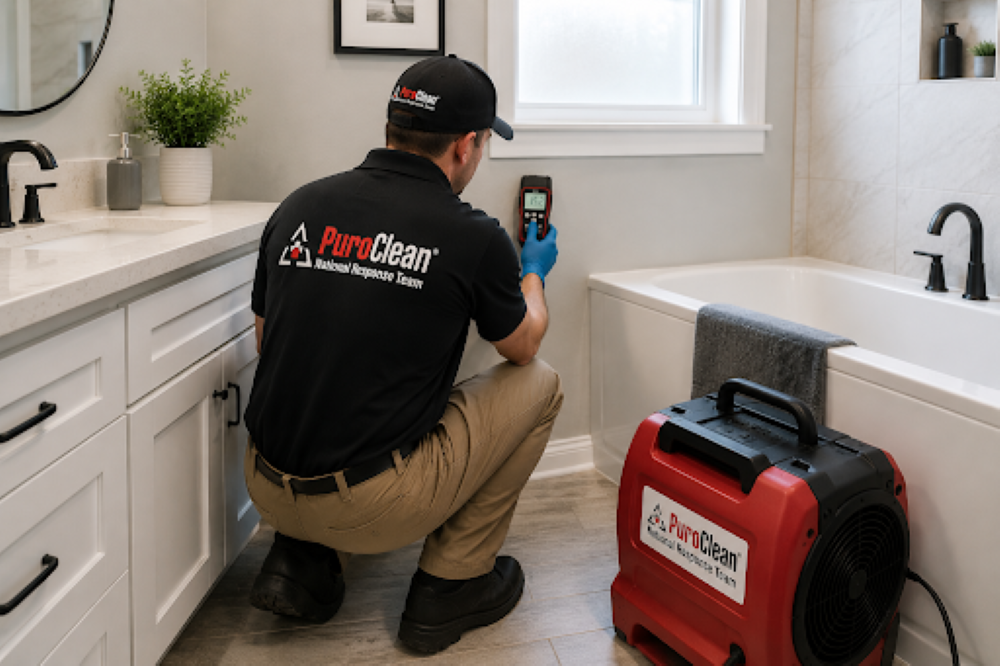
Protect Your Home After Mold Remediation
Professional house mold treatment removes active mold, damaged materials, and contaminated dust so your home is safe to use again. It also attacks the moisture source that allowed mold to grow. But what happens next in your daily routine often determines whether mold stays away or creeps back.
Keeping your home mold-free helps protect your family’s comfort, breathing, and peace of mind. It also helps keep your property looking and smelling fresh, which matters when it is time to host guests or think about selling. In our humid late summers here in the greater Toledo area, good habits after remediation are just as important as the work itself.
Think of professional treatment as step one. Step two is what you do every day: how you manage moisture, air, and cleaning. When those pieces work together, your home is far less likely to need house mold treatment again.
Confirm Your Home Is Truly Ready After Treatment
Once professionals finish mold remediation, you should feel confident walking into the treated areas. Here is what you should notice:
- Clean, dust-free surfaces where work was done
- No visible mold growth, staining, or fuzzy patches
- No strong musty or earthy odor in those spaces
Your contractor should walk you through what they did, what materials were removed, and what was cleaned or treated. You should understand which moisture issues they found and how those were handled. Clear communication helps you know what to watch in the future.
In some situations, especially when there was a larger issue or health concerns, it can be helpful to have post-remediation verification. This may include:
- A detailed visual inspection by a qualified professional
- When appropriate, third-party air or surface testing to confirm mold levels are within a normal range
- Written notes describing areas that may still need monitoring
It is smart to organize and keep your paperwork. Store these items in a safe place:
- Before and after photos of affected rooms or surfaces
- The written scope of work from your remediation project
- Any test reports or inspection summaries
- Notes about what caused the original problem, such as a roof leak or plumbing issue
Having this record can help with future insurance questions, home sale disclosures, or if you ever notice new moisture in the same area.
Control Moisture Before It Becomes a Problem Again
Mold does not grow without moisture. That means the best long-term mold prevention is really moisture control. Warm, humid weather, like we often see in late summer, gives mold what it likes if indoor humidity stays high.
Aim to keep indoor humidity in a comfortable range, usually between about 30 percent and 50 percent. You can help by:
- Using bathroom exhaust fans during showers and for 15 to 20 minutes after
- Running kitchen exhaust fans while cooking and when boiling water
- Using a dehumidifier in rooms that tend to feel damp
- Keeping your HVAC system well maintained and filters clean
Pay attention to small water issues, because they are often the start of bigger mold problems. Good habits include:
- Wiping up spills on floors, walls, and furniture right away
- Fixing dripping faucets, loose plumbing connections, and running toilets promptly
- Drying wet rugs, bath mats, and towels thoroughly instead of letting them sit in a heap
- Checking under sinks now and then to catch slow leaks early
When moisture stays under control, mold has a much harder time getting started again.
Improve Airflow, Home Habits, and Cleaning
Good airflow helps surfaces dry faster after normal daily use. Still air lets dampness linger, which mold likes. You can improve air movement in simple ways:
- Open interior doors so air can move between rooms
- Make sure supply and return vents are not blocked by furniture or curtains
- Use ceiling or portable fans to keep air moving, but avoid pointing them directly at past mold areas if you see any signs of moisture
Daily habits in kitchens, bathrooms, and laundry areas make a big difference. Try to:
- Run exhaust fans long enough, not just for a minute or two
- Open windows when the weather allows and it is not too humid outside
- Wipe down shower walls, glass doors, and wet countertops after use
- Hang damp towels and clothes so they can dry fully
Mold also feeds on dust, skin cells, soap film, and cooking residue. Gentle, steady cleaning can limit its “food supply.” Focus on:
- Regular dusting with a damp cloth, not a dry one that just moves dust around
- Vacuuming with a vacuum that has a good filter
- Cleaning kitchen grease, splatters, and crumbs before they build up
- Using mild cleaners on newly remediated surfaces so you do not damage materials or protective coatings
If you are unsure which products are safe for specific materials, ask a professional for guidance.
Watch for Early Warning Signs and Act Quickly
Even with good habits, it is wise to stay alert for early signs that moisture or mold might be returning. Some things to watch for include:
- A musty or earthy smell that lingers or keeps coming back in the same area
- Light discoloration, spots, or shadows spreading on walls, ceilings, or around windows
- Peeling, bubbling, or cracked paint or wallpaper in damp-prone areas
- Worsening allergy-like symptoms indoors that improve when you leave the house
If you notice a very small, surface-level spot and you know there is no ongoing moisture issue, it may be possible to gently clean it with an appropriate cleaner. After that, watch the area closely. If it returns, spreads, or covers a larger patch, stop and bring in a professional.
Acting quickly is the key. Fresh moisture problems that are found early can often be handled before they turn into a major mold issue that calls for another full house mold treatment. Waiting usually lets mold grow behind surfaces where you cannot see it.
Partner with Professionals for Long-Term Protection
Protecting your home from mold is not something you have to handle alone. Local restoration professionals can help you understand how your specific home handles moisture and where trouble spots might hide. At PuroClean of West Toledo, we see how small problems grow when they are not watched, so we encourage regular attention instead of waiting for a big event.
A simple seasonal checkup, especially as we move from summer into fall, can make a big difference. You or a professional can:
- Check bathroom and kitchen fans to be sure they work and vent properly
- Look over plumbing lines, supply hoses, and shutoff valves for signs of leaks
- Inspect window frames and doors for drafts, gaps, or water stains
- Review any areas that were repaired or remodeled after your last mold issue
Every home is different. A trained eye can spot patterns, like rooms that always feel damp or materials that do not dry quickly. With the right advice, you can fine-tune your daily habits and maintenance so the work done during your past mold remediation stays effective for the long run.
Frequently Asked Questions About Post-Remediation Mold Prevention
How Do I Know If My Mold Remediation Really Worked?
After professional treatment, the areas that were affected should be clean, dry, and free of visible mold growth and musty odors. Your contractor should explain what was done and may suggest third-party testing for extra peace of mind, especially if the original problem was large or complex.
How Can I Keep Humidity Low Enough to Prevent Mold?
Try to keep indoor humidity in a comfortable middle range, not too damp and not too dry. Use exhaust fans in bathrooms and kitchens, run dehumidifiers in rooms that feel humid, keep your HVAC system serviced, and repair leaks or dripping fixtures as soon as you notice them.
Is It Normal to Smell a Mild Odor After Treatment?
A light cleaning or product smell can be normal for a short time after work is finished. A musty or earthy odor that lingers, gets stronger, or returns after going away is not normal. If you notice that type of smell in a treated area, contact your remediation provider to check it out.
Can I Clean Small Mold Spots Myself After Remediation?
Very small, surface-level spots may sometimes be cleaned with suitable household cleaners if you are sure the moisture source has been fixed. If the spot is larger, keeps coming back, looks fuzzy or slimy, or is in an important area of the home, it is safer to have a professional look at it.
How Often Should I Check My Home for Signs of Mold?
A quick monthly walk-through while you look and sniff for trouble is usually helpful. Pay special attention after any leak, spill, roof issue, or heavy wind-driven rain. Regular checks help you catch moisture problems early, before they grow into a serious mold concern.
Protect Your Home And Health From Mold Today
If you suspect mold in your home, PuroClean of West Toledo is ready to provide prompt, professional help. Our certified team offers comprehensive house mold treatment to address the source of the problem and help prevent it from coming back. We will walk you through every step, from inspection to cleanup, so you know exactly what to expect. To schedule service or ask questions, please contact us today.