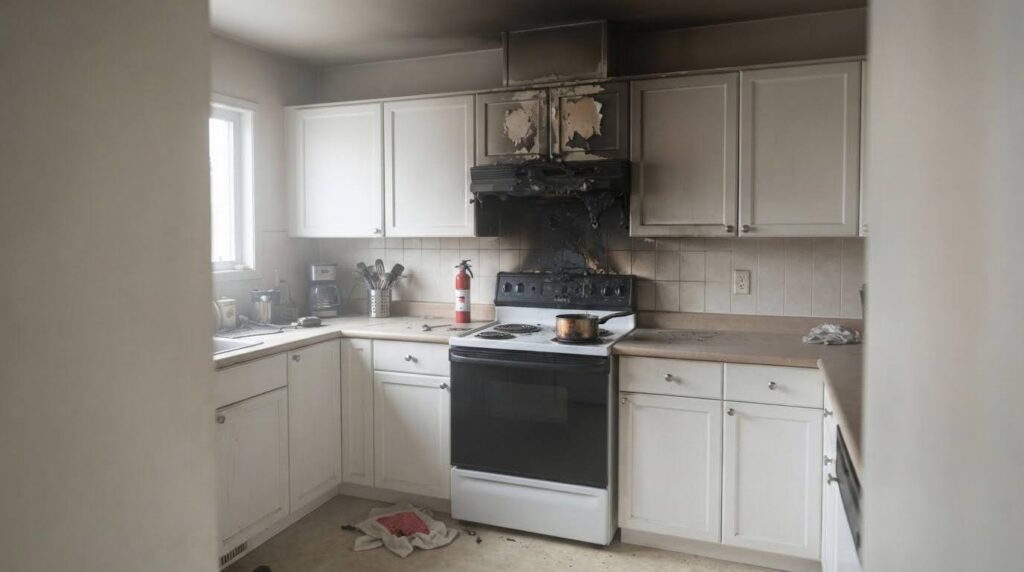
Stop Small Kitchen Fires From Becoming Big Problems
A small kitchen fire can feel like no big deal once the flames are out. Maybe a pan flared up, or food burned on the stove, and you got it under control quickly. The fire is out, nobody is hurt, and the damage looks minor at first glance.
What many homeowners discover later is that the smoke from that “small” fire spread far beyond the stove. Cabinets, walls, ceilings, and even rooms down the hall can pick up sticky residue and stubborn odors. Soft items like curtains, couches, and clothing can hold onto the smell long after the smoke has cleared.
Professional smoke damage restoration in Toledo is about much more than wiping down the stove. It is about protecting your health, making sure the air you breathe is safe, and helping keep your home’s value. In this article, we walk through what really happens after a small kitchen fire, what the process looks like, and how our team works to get life back to normal as quickly and safely as possible.
First Steps After a Small Kitchen Fire
Once the flames are out and the space is safe to enter, the first step is always safety. Before anyone starts cleaning, the area should be checked for:
- Lingering hot spots near the stove or range hood
- Damage to electrical cords, outlets, or appliances
- Any signs that cabinets, counters, or ceilings have been weakened
If it is safe, many homeowners start by taking photos or videos of everything affected. That includes the stove area, nearby cabinets, the ceiling, and even adjoining rooms where smoke traveled. Writing down a quick list of damaged items can help when you speak with your insurance company.
There are a few things you should avoid doing:
- Do not wipe soot off walls or cabinets with household cleaners
- Do not wash fabric items before a professional has looked at them
- Do not turn on your HVAC system if there is visible soot or heavy odor
Wiping the wrong way can smear soot and push it deeper into surfaces. Running your HVAC too soon can pull smoke particles into ducts and send them throughout the home.
At PuroClean of West Toledo, we respond day or night to smoke and fire calls. When we arrive, we start with a walk-through of your kitchen and nearby rooms. Whether your home is an older Toledo house or a newer build, we look for how smoke moved through doorways, vents, and open spaces so we can plan the right cleanup steps.
How Pros Assess Smoke Damage in Your Kitchen
Not all smoke is the same, and the type of fire affects how we clean it up. In kitchens, we often see two main types:
- Protein fires from burnt food, like meat or sauces, which leave thin, sticky, almost invisible residue and strong odors
- Grease fires from cooking oil or fats, which leave heavier, darker soot that clings tightly to surfaces
Protein smoke can make cabinets, walls, and ceilings look only slightly dull or streaked, but the smell can be very strong. Grease smoke is easier to see, but harder to remove without the right products.
During our inspection, we test different spots to see what kind of residue we are dealing with. We check:
- Cabinet doors and handles
- Countertops, backsplashes, and range hoods
- Appliances like microwaves, ovens, and refrigerators
- Ceilings, light fixtures, and nearby walls
We also look beyond the kitchen. Smoke often travels into hallways, living rooms, and bedrooms. Light discoloration on painted surfaces, corrosion on metal fixtures, or a film on lighting and electronics are all signs that smoke has reached those areas.
This careful assessment is where smoke damage restoration in Toledo truly begins. By finding all the hidden soot and residue, including in HVAC components and vents, we can build a plan that cleans what you see and what you cannot see.
Deep Cleaning Techniques That Make Kitchens Livable Again
Once the inspection is complete, deep cleaning can start. The goal is to remove residues and odors without driving them deeper into surfaces.
First, we remove loose soot and particles with tools like HEPA vacuums and dry cleaning sponges. This gentle step helps prevent smearing. Only after dry cleaning do we apply liquid cleaners or degreasers geared for smoke damage.
Different materials need different care:
- Painted walls often need gentle cleaners that will not strip paint
- Wood cabinets may require special products to protect the finish
- Range hoods, backsplashes, and stovetops often need strong degreasing
- Appliances and fixtures are cleaned inside and out, including small cracks and seams
Smoke odor is one of the hardest parts for homeowners. Surface cleaning alone rarely solves it, especially after protein fires. That is why we may use odor removal methods like thermal fogging or specialized machines that work on the air and contents in the room. These methods aim to neutralize odor particles that have soaked into porous materials, not just cover them up.
Sometimes, certain materials are simply too damaged. Charred cabinet faces, melted fixtures, blistered paint, or warping around the stove area may need to be removed and replaced. Light demolition like this can be part of a complete restoration plan to bring the kitchen back to a safe, comfortable condition.
Protecting Indoor Air Quality After Summer Kitchen Fires
Warm weather often means more cooking at home, more gatherings, and sometimes more small kitchen mishaps. In humid Toledo summers, smoke odors can linger longer because moisture in the air slows natural airing out. That sticky feeling you notice in the air can also make residues cling more tightly.
Good indoor air quality is just as important as clean surfaces. During smoke damage restoration, we often use air scrubbers with HEPA filters to help remove fine particles floating in the air. This can be especially helpful for:
- Young children
- Older adults
- Anyone with asthma or allergies
We also pay close attention to HVAC systems. Even a short kitchen fire can send smoke toward supply and return vents. Our steps often include:
- Inspecting and cleaning vents and grilles in affected areas
- Replacing air filters that may have captured soot and odor
- Recommending further cleaning if the internal parts of the system appear affected
When air and surfaces are both treated, homes tend to not only look clean but also feel and smell clean. That is the level of restoration most families are hoping for after a stressful kitchen fire.
When to Call PuroClean of West Toledo for Help
Some signs tell you that professional help is the best choice after a small kitchen fire. You may notice:
- Smoke odor lingering days or weeks later
- A yellow or gray film on cabinets, walls, or light covers
- Headaches, sore throat, or eye irritation when you spend time in the kitchen
- Visible soot or smudges in nearby rooms or around vents
Trying aggressive DIY cleaning can sometimes backfire. Scrubbing too hard, using the wrong chemicals, or spraying water-based cleaners on certain soot types can set stains, spread residue, or damage finishes. Early professional attention gives you a better chance of saving items and avoiding long-term odor problems.
At PuroClean of West Toledo, we focus on fast response, clear communication, and careful work. Our team handles smoke and fire cleanup for both homes and small businesses, with methods designed for kitchens and cooking-related fires. We coordinate with you and your insurance company, explain each step, and work to restore your space so you can get back to normal daily life as soon as possible.
Frequently Asked Questions
Can a small stove or oven fire really affect rooms beyond the kitchen?
Yes. Smoke can move quickly through open doorways, hallways, and vents, leaving odor and residue in places that seem far from the fire.
Is it safe to use my kitchen right after a minor fire?
Not always. It is best to wait until the area has been checked for soot, electrical concerns, and damage to cabinets, appliances, or nearby surfaces.
Will opening windows get rid of smoke odor on its own?
It may help a little at first, but it usually does not remove smoke particles that have settled into surfaces and fabrics. If the smell lingers, deeper cleaning and deodorizing may be needed.
Can smoke damage kitchen appliances and electronics?
Yes. Smoke residue can settle on and inside appliances, light fixtures, and other electronics, which may affect how they look, smell, or perform.
Should I document the damage before cleanup starts?
Yes. Photos, videos, and a simple list of affected items can be helpful when speaking with your insurance provider and planning the restoration process.
Restore Your Home’s Air Quality And Peace Of Mind
If smoke has affected your home, we are ready to respond quickly and help you reclaim a safe, clean living space. Our team at PuroClean of West Toledo provides expert smoke damage restoration in Toledo tailored to the unique needs of your property. Reach out today and let us assess the damage, explain your options, and guide you through every step of the cleanup process. If you are ready to take the next step, please contact us to schedule service.