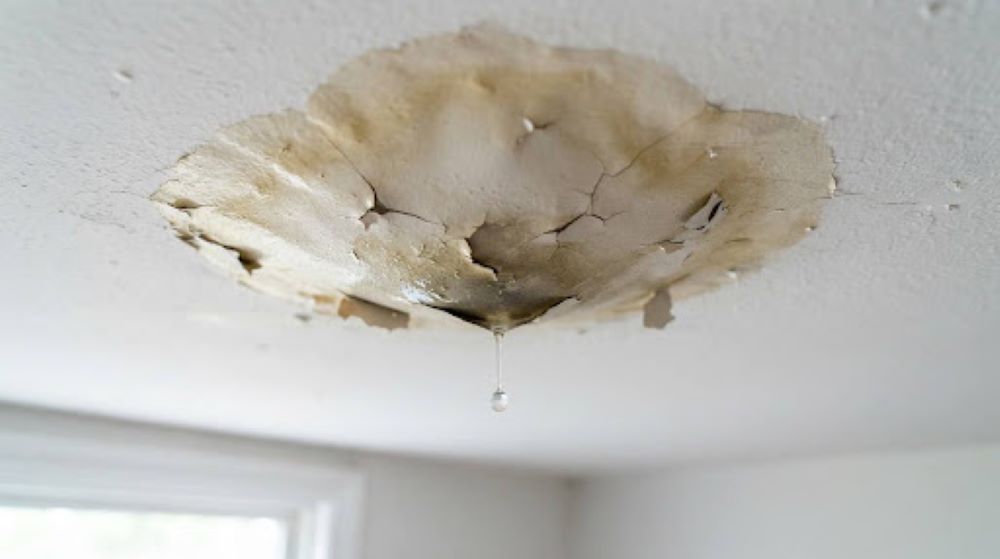
Fast-Action Water Cleanup That Saves Walls and Ceilings
Water that gets into walls and ceilings almost never stays in one spot. It spreads, soaks in, and keeps working quietly in the background. That is why fast water damage cleanup in Toledo is so important, especially when the weather turns wet and cold. Roof leaks, small plumbing issues, and slow drips can all turn into sagging drywall and unsafe ceilings if they are not handled quickly.
Around fall, our area often sees heavy rain, strong winds, and early freeze, thaw cycles. Those conditions are hard on roofs, gutters, and exterior walls. When water sneaks in, it can hide in insulation and framing where you cannot see it right away. Acting fast helps protect your paint, drywall, trim, and the structure overhead so the damage does not spread from one room to another.
How Water Sneaks Into Walls and Ceilings
Water does not need a big opening to get into a building. Just a small gap or weak spot is enough. In homes and businesses across Toledo, some common sources include:
- Roof leaks after wind or hail
- Ice damming along the roof edge that lets melted snow back up under shingles
- Overflowing sinks or tubs on upper floors
- Leaking supply lines to toilets, sinks, or refrigerators
- Faulty washing machines or dishwashers located above finished spaces
Once water gets inside, it follows the path of least resistance. It can:
- Wick upward through drywall from a wet floor or wet trim
- Saturate insulation inside wall and ceiling cavities
- Travel along wood framing and drip into other rooms
- Pool on the back side of ceiling materials until they sag or bulge
Many times, the first thing you see is not the only problem. Early warning signs to watch for include yellow or brown stains, peeling or bubbling paint, musty odors, warped baseboards or crown molding, and hairline cracks in ceilings that slowly grow wider. These changes mean moisture may already be trapped behind the surface.
Why Fast Water Damage Cleanup in Toledo Matters
The first day or two after water gets into walls and ceilings is very important. Drywall is a paper-based product, and that paper soaks up moisture quickly. In a short time, you can see:
- Soft or crumbly drywall
- Joint tape separating at seams
- Nail pops and cracks
- Bulges or sagging areas that might collapse
If water sits in those hidden spaces, it also supports mold growth. Mold does not need standing water, just damp materials and time. When it grows inside wall and ceiling cavities, spores can move into the air and affect indoor comfort and air quality. That is especially concerning in bedrooms, offices, and living spaces where people spend a lot of time.
Responding early often means smaller repairs, less demolition, and less interruption to daily routines. Waiting can lead to:
- Opening large wall or ceiling sections to remove soaked materials
- Replacing insulation and trimming out larger areas
- Longer drying times and more repainting
- More time away from certain rooms or work areas
Fast water damage cleanup in Toledo limits the spread, keeps more of your original finishes in place, and helps you get back to normal sooner.
Professional Steps to Protect Walls and Ceilings
Protecting walls and ceilings the right way takes more than wiping up visible water. A professional team follows a process that looks not only at what you can see but also at what might be hidden.
First is the assessment and moisture detection. We inspect the affected rooms, the level above or below, and the likely source. Tools like moisture meters and infrared cameras help map where water has traveled inside the structure, even if surfaces still look dry.
Next comes containment and controlled drying. That can include:
- Setting up air movers to push dry air across wet surfaces
- Using dehumidifiers to remove moisture from the air
- Creating containment areas with plastic to keep unaffected spaces dry
- Making small targeted openings to reach wet cavities with airflow
The goal is to dry materials thoroughly with as little demolition as possible, while still removing anything that cannot be saved. Finally, we handle cleaning and restoration. That may include applying appropriate cleaning solutions to affected surfaces, removing and disposing of unsalvageable drywall or insulation, and getting the area ready for repainting, patching, and finishing by the proper trades.
How PuroClean of West Toledo Handles Fall and Winter Events
In our area, the change from warm to cold often brings a mix of heavy rain, clogged gutters full of leaves, and early snow. All of that puts extra stress on roofs, flashing, and downspouts. Ice dams can form along the eaves when warm air from inside melts snow, then the water refreezes at the roof edge. That trapped water can work under shingles and into attic spaces and ceilings below.
When that happens, speed matters. A 24/7 emergency response means trained technicians can arrive quickly, help stabilize the area, and reduce the risk of a ceiling panel breaking loose. Fast action can also keep water from traveling along framing into other walls or rooms on upper levels.
During cleanup, careful documentation is important. Moisture readings, photos, and notes about what was affected help property owners work with their insurance company. When everyone has clear information, it often makes the process smoother for homes and businesses.
Preventing Future Wall and Ceiling Water Damage
While some water events are sudden, many start small. Simple checks after strong storms or heavy rain can catch problems early, such as:
- Looking at ceilings under bathrooms and kitchens on upper floors
- Checking around windows and doors for new stains or soft spots
- Peeking into the attic, when safe, to look for damp insulation or dark areas on wood
- Paying attention to musty smells in hallways, stairwells, and closets near bathrooms
Regular maintenance goes a long way too. Keeping gutters and downspouts clear, watching for missing or damaged shingles, and servicing water-using appliances can prevent many issues. At the first sign of a drip from an upper-floor bathroom, a stain that suddenly appears on a ceiling, or paint that starts to bubble along a wall, it is safer to treat it as a warning rather than wait to see if it gets worse.
Some situations are too large or risky for DIY work. For example, you should call a professional when:
- A ceiling is sagging or looks like it might bow or break
- Water is near electrical fixtures, light cans, or ceiling fans
- Multiple rooms or levels are affected
- There is a strong musty odor and you suspect hidden mold
Professional water damage cleanup in Toledo helps protect the structure, finishes, and indoor comfort while reducing the chance of long-term problems returning later.
Frequently Asked Questions About Wall and Ceiling Water Damage
How Quickly Should I Call After Noticing a Ceiling Stain?
Contact a professional as soon as you spot a new or growing stain, sag, or drip. Even a small mark can point to a larger hidden leak, and fast action can limit damage and help prevent mold growth.
Can Wet Drywall or Ceiling Materials Be Saved?
Slightly damp drywall and ceiling materials can often be dried and restored when water is removed quickly. If the material is swollen, soft, crumbling, or has stayed wet for several days, replacement is usually the safer and more practical option.
Will My Homeowners Insurance Cover Wall and Ceiling Water Damage?
Many policies cover sudden and accidental water damage, such as a burst pipe or appliance failure that affects walls and ceilings. Slow leaks and maintenance-related problems may be treated differently. It is best to review your policy and work with a restoration professional who can document the damage for your claim.
How Long Does It Take to Dry Wet Walls and Ceilings?
With professional equipment, many walls and ceilings dry in about three to five days. The exact time depends on how much water is present, how long the materials have been wet, and the type of construction. A trained technician will monitor readings and adjust equipment until safe moisture levels are reached.
Is It Safe to Stay in My Property During Water Damage Cleanup?
Often it is safe to remain in the property if the damage is limited and areas are properly contained and ventilated. If there is a risk of ceiling collapse, electrical hazards, or significant mold concerns, a restoration professional may recommend avoiding certain rooms or temporarily staying out until the space is secure.
Protect Your Property With Fast, Professional Water Damage Help
When water hits your home or business, every minute counts, and we are ready to act quickly to limit the damage and protect your belongings. Learn how our expert team handles thorough water damage cleanup in Toledo so you know exactly what to expect from start to finish. At PuroClean of West Toledo, we use proven techniques and equipment to dry, clean, and restore affected areas as efficiently as possible. If you are facing water damage right now or want to be prepared, contact us so we can help you take the next step.