Winter weather can be beautiful, but it also brings with it serious risks for homeowners. Freezing temperatures, heavy snow, and ice can lead to a number of issues, with water damage being one of the most costly and common. Since pipes can burst, ice dams can form, and hidden leaks can happen caused by melting snow, learning how to prevent water damage is a top priority for homeowners in Virginia.
But don’t worry yet, below are five expert-backed tips, along with some additional precautions, you can do to prevent water damage in your home this winter:
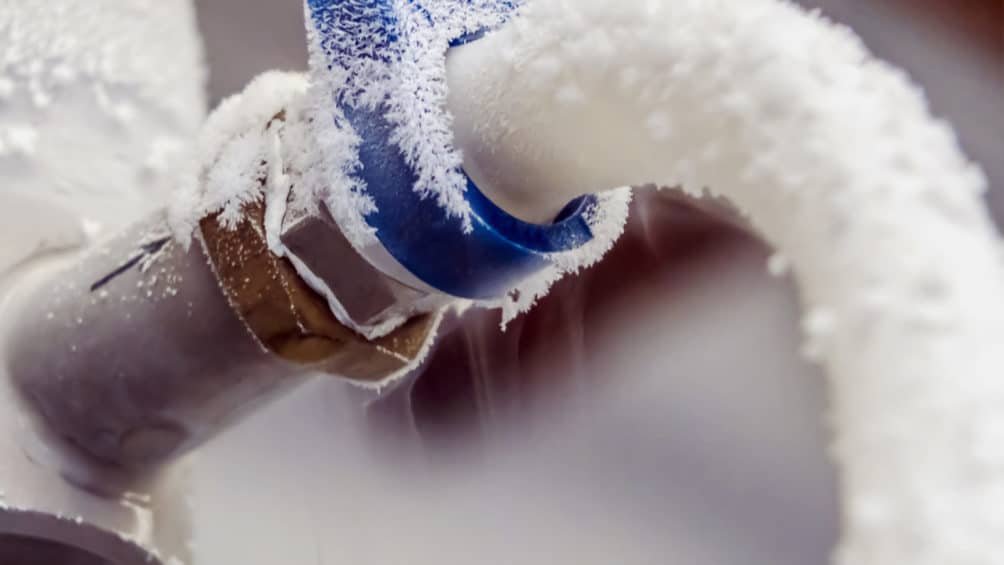
1. Insulate Pipes in Vulnerable Areas
One of the most important things you can do is protect your water pipes from freezing. Pipes located in unheated areas, such as garages, crawl spaces, attics, basements, or under kitchen and bathroom sinks, are especially at risk.
Prevention Tip:
- Wrap exposed pipes with foam insulation sleeves or heat tape.
- Keep cabinet doors under sinks open during cold spells to let warm air circulate and prevent water damage.
- Relocate any stored cleaning products or chemicals up high to keep them away from children or pets when cabinets are open.
Even allowing a small trickle of cold water to run through faucets connected to vulnerable pipes can help keep them from freezing and bursting.
2. Maintain a Consistent Indoor Temperature
It might be tempting to lower the thermostat at night to save on energy costs, but doing so could cause pipes to freeze if the indoor temperature drops too low.
Prevention Tip:
- Keep your thermostat set to a consistent temperature, ideally no lower than 65°F, both day and night.
- If you’re planning to leave your home unattended for more than a day, set the thermostat to at least 55°F, and consider turning off the main water supply. Drain your plumbing system and ask a neighbor or trusted friend to check on your home routinely.
3. Prevent Water Damage from Ice Dams Before They Start
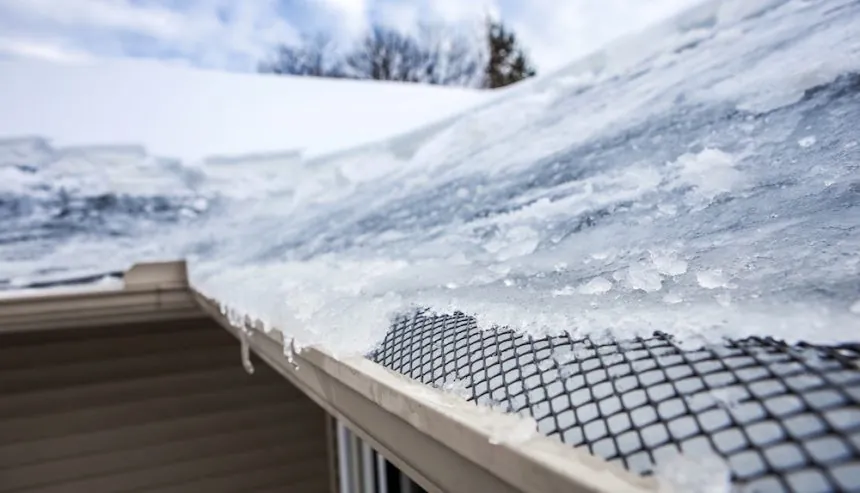
Ice dams form when heat from your attic melts snow on the roof, which then refreezes at the edges, creating a barrier that blocks melting snow from draining off. This water can then seep into your roof and cause leaks, mold, and structural damage.
Prevention Tip:
- Use a roof rake or long-handled brush to safely remove snow once it reaches about 6 inches deep, and especially after a heavy snowfall.
- Make sure gutters and downspouts are clear so that melted water has somewhere to go.
- For long-term solutions, install a waterproof membrane beneath your roof shingles and use snow and ice shields to minimize the risk of seepage.
- Ensure proper attic insulation and ventilation so warm air doesn’t cause snow to melt unevenly.
4. Install Water Damage Leak Detectors
Technology can offer an extra layer of protection when you can’t monitor everything yourself. Water leak sensors are a simple but powerful tool that alert you at the first sign of moisture where it shouldn’t be.
Prevention Tip:
- Place detectors near appliances that use water, such as behind washing machines, under sinks, near water heaters, and close to sump pumps.
- Some smart water detectors can even send alerts directly to your smartphone, so you can act quickly if a leak occurs.
5. Take Care of Outdoor Water Sources and Foundation Drainage
Neglecting your exterior can be just as risky as ignoring indoor issues. Frozen hose lines and pooling snow around your home’s perimeter can contribute to backflow, leaks, and even foundation damage.
Prevention Tip:
- Disconnect and drain all outdoor hoses, and cover hose bibs with insulating caps.
- Shovel or sweep snow away from the foundation of your house so that melting snow doesn’t collect near basement walls or low entry points.
- Inspect the grading around your home to ensure water drains away from the foundation.
Other Smart Tips to Keep in Mind
- Review your homeowner’s insurance and consider adding sewer backup coverage if it’s not already included. Overflowing storm drains due to melting snow can lead to costly damage.
- Regularly inspect your appliances and supply lines for signs of leaks or wear and tear.
- Check your attic for signs of water intrusion, especially after storms or heavy snowfalls.
- Be alert for signs of mold or mildew, which could indicate hidden moisture damage.

Winter water damage also creates the risk of mold growth, check out how to prevent mold growth in winter. For professional water damage repair or emergency water removal services, give us a call at 757-208-7377.