


Mold comes in many shapes, textures, and colors. Whether it looks slimy, fuzzy, black, or green, all mold shares certain traits. Mold thrives in damp environments, feeds on organic materials, and can harm your health if left unchecked. Green mold is no exception. If you’ve noticed green patches in your home and wondered whether they’re dangerous, you’re not alone. Here’s what you need to know about this common fungus, how it affects your living space, and what to do about it.
What Is Green Mold?
The term “green mold” doesn’t describe one single species, it’s a broad way of referring to multiple fungi that produce greenish shades. Depending on the species and conditions, it may look soft, fuzzy, velvety, or powdery. The color can vary from pale, almost yellow-green to deep, dark forest green.
Most people have seen green mold on spoiled food like bread, fruit, or cheese. But what many don’t realize is that the same mold can colonize damp areas of your home, basements, bathrooms, crawlspaces, or anywhere with consistent moisture.
Some of the most common types of green mold include:
- Cladosporium – Usually olive-green to brownish, this mold often grows outdoors on plants. Indoors, it can take hold on surfaces like walls, cabinets, and carpets. Because it spreads quickly, it’s one of the more common household invaders.
- Aspergillus – Known for thriving on spoiled food, especially bread, Aspergillus can also grow in basements and other damp environments that don’t have a lot of nutrients but retain moisture. Some species are relatively harmless, while others can cause significant health issues.
- Penicillium – Recognizable by its bluish-green color, Penicillium is famous for its role in antibiotics. However, in household settings, certain types release harmful mycotoxins. It favors cooler environments like soil or water-damaged materials and spreads rapidly, producing a strong musty odor.
It’s also important to note that many molds can change colors depending on the stage of growth and the material they’re feeding on. For instance, a green patch might later darken to blue or black. Because appearances can be misleading, lab testing is the only way to positively identify the species. However, even without testing, the presence of mold in your home should always be treated seriously.
Is Green Mold Dangerous?
A common misconception is that only black mold is harmful. While black mold (Stachybotrys chartarum) is certainly hazardous, green mold is not automatically “safe.” In fact, many species of green mold can produce allergens, irritants, or toxic compounds that impact both people and pets.
Potential health risks include:
- Respiratory problems – Mold spores are easily inhaled, irritating the lungs and worsening conditions like asthma, bronchitis, or COPD.
- Allergic reactions – Sneezing, itchy eyes, runny nose, and skin rashes are all common responses to mold exposure.
- Infections – People with weakened immune systems are at higher risk for fungal infections caused by mold such as Aspergillus.
- Toxin exposure – Some molds, particularly Penicillium, can release mycotoxins, which are toxic chemicals that can have long-term health impacts with prolonged exposure.
Even if you aren’t immediately experiencing symptoms, prolonged mold exposure is unhealthy for any household. Pets can also develop respiratory issues or other complications when exposed to mold spores over time.
Where Does Green Mold Grow in Homes?
Green mold can develop in almost any damp location, but some hotspots are more common:
- Bathrooms – Especially around sinks, bathtubs, and showers where moisture is constant.
- Basements and crawlspaces – Poor ventilation combined with dampness makes these areas ideal for mold growth.
- Kitchens – Not just on spoiled food, but also around leaky pipes, under sinks, or behind appliances.
- Windowsills and walls – Condensation buildup often encourages mold growth in these areas.
- Carpets and upholstery – If these absorb water from leaks or flooding, mold can quickly colonize deep within the fibers.
Recognizing these risk areas is key to preventing infestations before they spread.
Why DIY Removal Can Be Risky
Many homeowners attempt to clean mold themselves, often using bleach or household cleaners. Unfortunately, this approach has two major problems:
- Surface cleaning isn’t enough – Mold typically grows deep into porous materials like drywall, wood, or carpet. Wiping the surface may remove the visible growth but leaves spores behind.
- Improper handling spreads spores – Disturbing mold without professional containment methods can release thousands of spores into the air, allowing the infestation to spread to other parts of the house.
These mistakes often result in a larger, more expensive problem down the road.
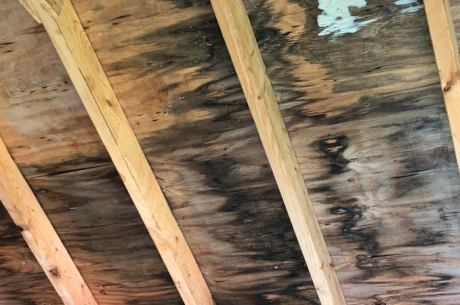
The Best Way to Handle Green Mold
Because of the health risks and the complexity of removal, professional remediation is always the safest option. At PuroClean of Williamsburg, our certified technicians use industry-leading techniques to:
- Contain the affected area and prevent cross-contamination.
- Safely remove mold from both surfaces and air.
- Dry out the property thoroughly to eliminate the moisture mold needs to survive.
- Restore your home to a clean, healthy condition.
We don’t just clean what you can see, we will address the root of the problem, ensuring mold doesn’t return.
Prevention Tips
While professional remediation is essential once mold has taken hold, you can reduce the chances of future growth with a few preventive steps:
- Fix leaks quickly in plumbing, roofs, and appliances.
- Keep humidity levels below 50% with proper ventilation or a dehumidifier.
- Use exhaust fans in bathrooms and kitchens.
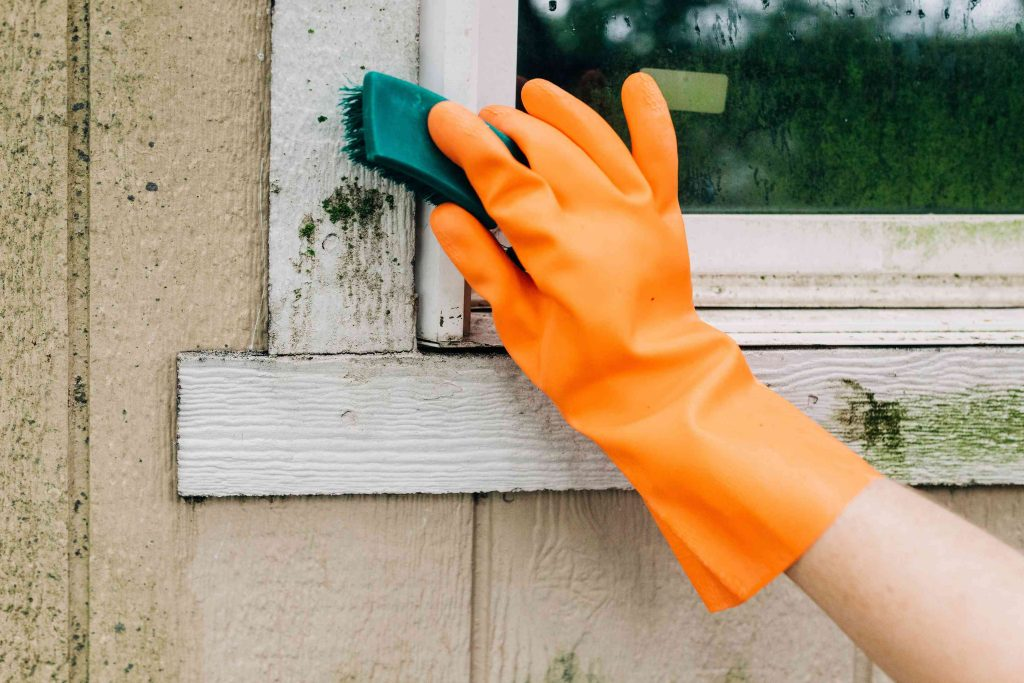
- Regularly clean and dry areas prone to condensation, like windowsills.
- Inspect basements and crawlspaces for dampness and improve airflow when possible.
These measures won’t guarantee a mold-free home, but they significantly lower your risk.
Final Thoughts
Green mold may look less intimidating than black mold, but it can be just as dangerous. Whether it appears on your food, in your bathroom, or along your walls, it poses a real threat to both your health and your property. Attempting removal on your own is not only difficult, it can make the problem worse.
Trust the experts at PuroClean of Williamsburg to handle mold safely and effectively. With our specialized equipment, knowledge, and proven remediation process, we’ll eliminate the mold, restore your property, and give you peace of mind knowing your home is safe again. Call us at 757-208-7377 today to eradicate your mold problem.