 PuroClean Emergency Restoration Specialists
 Mold is a natural part of our environment. Outdoors, it plays an important roles. Indoors, however, mold is an unwanted guest. It can trigger allergies, damage property, and create unhealthy living conditions.
Over the years, many homeowners have turned to air purifiers as a way to manage airborne mold spores. But how effective are they really? Can air purifiers actually solve a mold problem, or just reduce its effects? The experts at PuroClean of Williamsburg will answer this question down for you below.
What Are Mold Spores?
Mold comes in hundreds of varieties, and each produces microscopic particles called spores. These spores act like seeds, allowing mold to spread through the air and settle in new places.
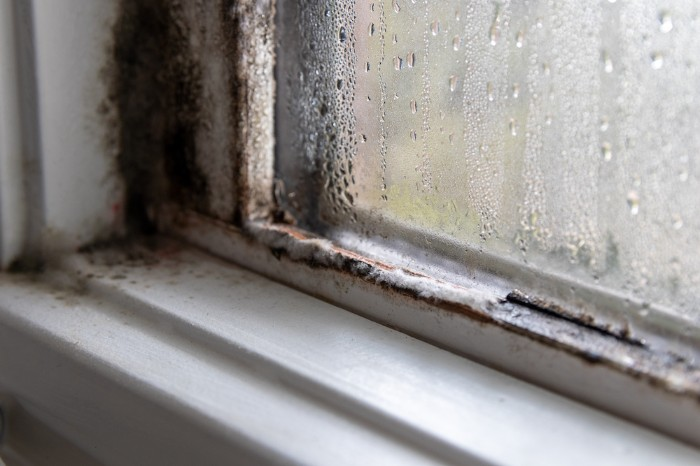
On their own, spores aren’t a problem until they find the right conditions to grow. Unfortunately, most homes provide exactly that: a food source (like drywall, wood, or insulation), moisture, and warmth. Once spores land on a damp surface, they can quickly turn into visible mold growth.
Health Risks of Mold Exposure
Not everyone reacts to mold the same way. Some people barely notice it, while others, especially those with asthma, allergies, or weakened immune systems, can experience serious symptoms. Common reactions include:
- Sneezing and coughing
- Runny or stuffy nose
- Itchy, watery, or red eyes
- Skin rashes
- Throat irritation
Even if you don’t have allergies, prolonged exposure can still cause headaches, fatigue, or respiratory discomfort. That’s why keeping mold under control in your home is so important.
How Do Air Purifiers Help?
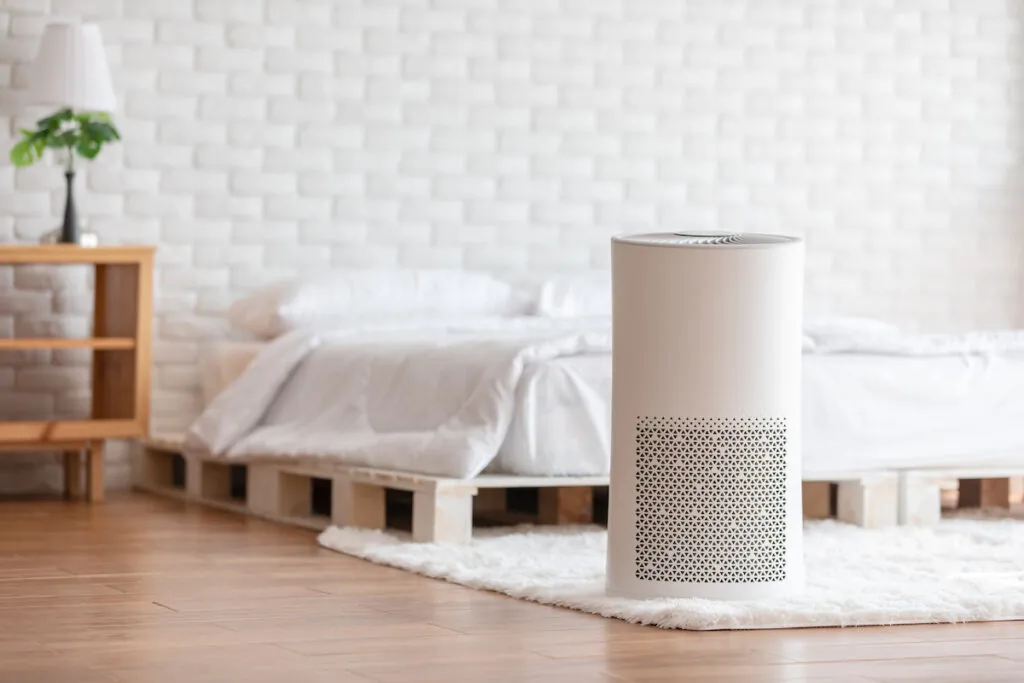
The main function of air purifiers are to clean the air by trapping particles that you can’t see. The most effective option for mold spores is a HEPA filter.
HEPA (High-Efficiency Particulate Air) filters are designed to capture 99.97% of particles as small as 0.3 microns. Mold spores usually measure between 1–20 microns, meaning HEPA filters are highly effective at removing them from the air. This means fewer spores circulating in your home, less chance of new mold colonies forming, and relief for allergy sufferers.
However, while an air purifier can reduce airborne spores, it cannot eliminate mold that’s actively growing on surfaces. Think of it as a tool for prevention and symptom relief, not a full cure.
What Air Purifiers Can’t Do
It’s important to understand the limits of air purifiers. They can remove spores floating in the air but cannot remove or kill mold that is already growing on walls, ceilings, carpets, or furniture.
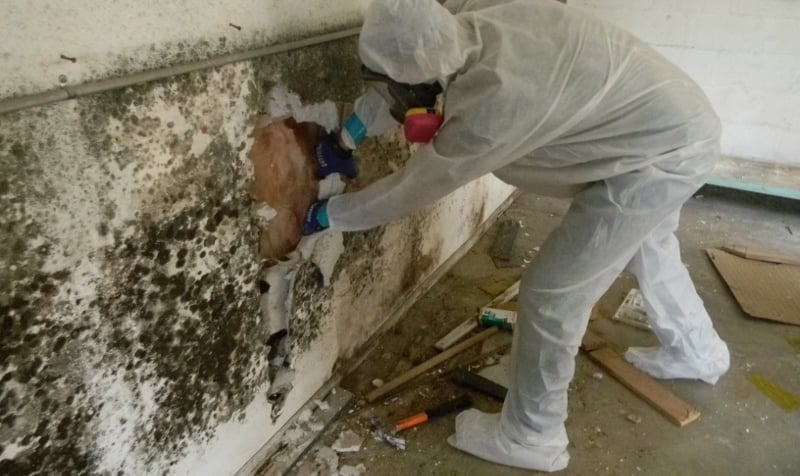
If you have an ongoing mold infestation, more spores will continue to enter the air until the source of the problem is fixed. That’s why professional remediation is crucial. At PuroClean of Williamsburg, our technicians use advanced detection equipment, containment methods, and drying techniques to eliminate mold at its source.
The Best Way to Tackle Mold
If you or your family members are sensitive to mold, an air purifier can absolutely make your home more comfortable by reducing airborne particles. It’s a smart investment for improving indoor air quality.
But to truly get rid of mold, you’ll need to address the cause. Most of the time, the cause is a moisture issue. Fix leaks, reduce humidity, and call in professionals if you suspect mold growth. PuroClean of Williamsburg offers comprehensive mold remediation services to safely remove infestations and restore your property.
Call PuroClean of Williamsburg for Mold Remediation
Air purifiers are a helpful step, but they are not a substitute for professional mold removal. If you notice signs of mold in your home, don’t wait. Call PuroClean of Williamsburg, VA at 757-208-7377 for 24/7 expert assistance. Our team will assess the situation, eliminate the problem, and help protect your health and property.


 PuroClean Emergency Restoration Specialists