

Water damage is one of the most common issues that homeowners face. Whether it’s from a burst pipe, a leaky roof, or a flooded basement, water can wreak havoc on your property in a short amount of time. The big question most homeowners have after spotting water damage is: Will my homeowners insurance cover this?
The answer isn’t always straightforward. Coverage often depends on how the damage happened, whether it was sudden or gradual, and the specific terms in your insurance policy. Here’s what you need to know about how homeowners insurance typically handles water damage, and what you can do to stay protected.
What Types of Water Damage Are Usually Covered?
In general, homeowners insurance does cover certain types of water damage, especially when the damage is sudden and accidental. That means if something breaks or bursts unexpectedly and causes water to damage your home or belongings, your policy is likely to help pay for the repairs.
Here are some examples of situations that are commonly covered:
- A burst pipe due to freezing temperatures.
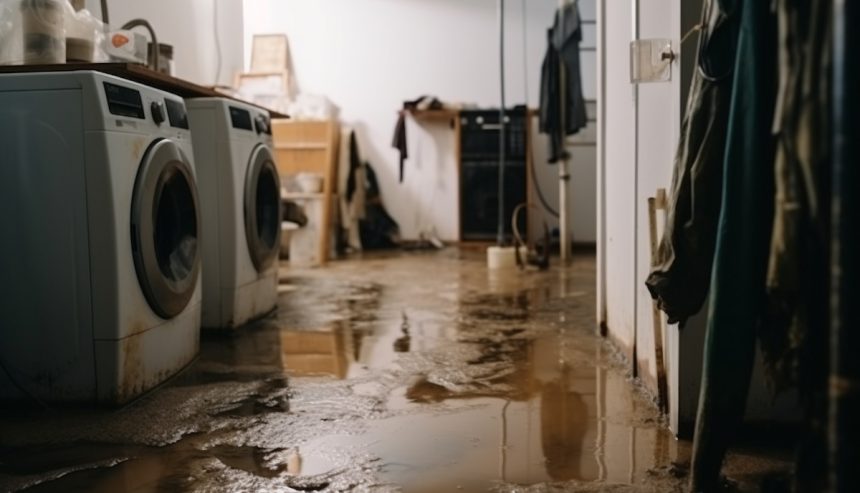
- An accidental overflow from an appliance like a washing machine or dishwasher.
- A leaking water heater that suddenly fails.
- A broken HVAC system that causes water damage to ceilings or floors.
In these cases, the policy typically covers the damage caused by the water (like wet drywall, damaged flooring, or ruined furniture), but not the cost to repair or replace the item that failed (like the pipe or appliance itself).
When Is Water Damage NOT Covered?
Unfortunately, not all water damage falls under standard homeowners insurance. Most policies exclude gradual damage or any damage that results from poor maintenance or neglect.
Here are some common examples of excluded water damage:
- Slow leaks from pipes or appliances that weren’t fixed promptly.
- Seepage or foundation leaks caused by poor drainage around your home.
- Water damage resulting from lack of heat in a home that led to pipes freezing (if the home was vacant and not properly winterized).
- Damage due to poor roof maintenance or aging materials.
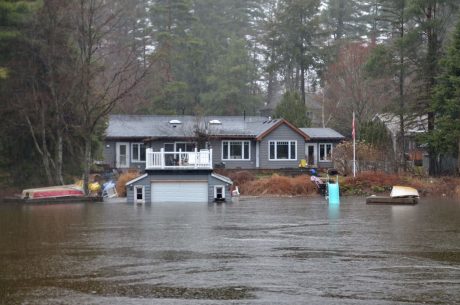
- Water that enters your home through flooding, unless you have separate flood insurance.
It’s important to note that flooding is not covered by standard homeowners insurance. If you live in a flood-prone area, you’ll need a separate flood insurance policy through the National Flood Insurance Program (NFIP) or a private insurer.
What About Sewer Backups or Sump Pump Failures?
Sewer backups and sump pump overflows can cause major water damage, but they are typically not covered under a basic policy. The good news is that many insurance providers offer optional endorsements or riders you can add for extra protection.
These add-ons are relatively inexpensive and can provide peace of mind, especially if your home has a basement or is in an area with older infrastructure.
What Can You Do to Protect Yourself?
While insurance is essential, the best protection is prevention. Here are some proactive steps to reduce your risk of water damage:
- Inspect plumbing regularly for signs of wear, corrosion, or small leaks.
- Keep gutters and downspouts clear to prevent water from pooling around your foundation.
- Insulate pipes in unheated areas to prevent freezing and bursting.
- Install water leak detectors near appliances and plumbing fixtures.
- Maintain your roof and inspect it annually for damage or aging materials.
Additionally, review your insurance policy annually. Speak with your insurance agent to understand what is and isn’t covered, and ask whether additional endorsements might be worth considering based on your home’s location and condition.
Water damage can be stressful and expensive, but knowing what your homeowners insurance covers (and what it doesn’t) can help you act quickly and avoid costly surprises. Coverage is often determined by how the damage occurred, so documenting incidents, maintaining your home, and addressing small issues before they become major problems is key. When in doubt, don’t hesitate to contact your insurance provider to clarify your coverage. It’s better to be informed before disaster strikes.
Need help repairing water damage or cleaning up after a leak? Contact us today at 757-208-7377.