 PuroClean Emergency Restoration Specialists
Staying safe and comfortable during a power outage requires some forethought and planning. The first step would be to have flashlights and batteries on hand, but what comes after? Less obvious steps would be to keep an emergency kit and plan where to go if you can’t stay home. Power outages are unpredictable, and they often happen during storms or extreme weather, making it even more important to be prepared well in advance. thinking through your options now can save time, money, and even prevent serious risks later. Thankfully, at Puroclean of Williamsburg, we have a fool-proof plan just for you. Keep reading below to find out our tried-and-true “preparing for a power outage” plan.
Before a Power Outage
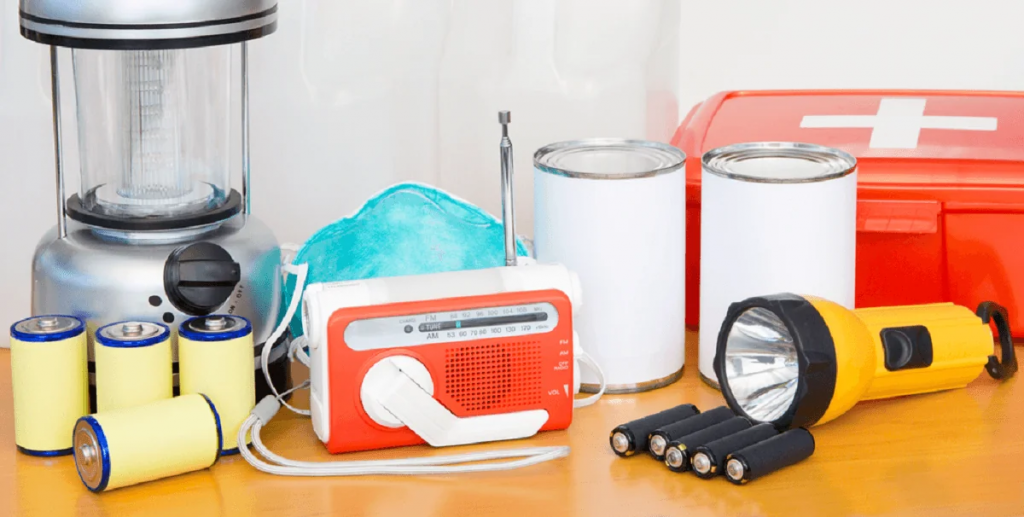
- Create a emergency preparedness kit. Flashlights and spare batteries in the kit are essential during a power outage. Portable chargers for your phone also are a smart idea.
- Add other items to your emergency kit, such as a first-aid kit, bottled water, blankets, and a supply of medications if you need them. having these items ready can make a big difference if the outage lasts longer than expected.
- Ensure that you know how to manually open your electric garage door and where the lever is.
- For cooling or warming, learn about the emergency plans in your local area in advance.
- Consider investing in an electrical generator to supply your home with electricity during a power outage. Never use portable generators indoors, due to risk of carbon monoxide poisoning. If you buy a generator, test it ahead of time so you’re not learning how to use it during an emergency.
During a Power Outage
- Don’t use candles for light, due to an increased risk of fire, which is harder to fight in the dark. Use battery or manually operated devices that produce light, such as flashlights, or glow sticks.
- Unplug appliances to reduce the risk of power surges or spikes when the outage ends. Leave one light turned on so you know when the power is back on.
- Keep refrigerators closed. Normal refrigerators will keep your food fresh for about 4 hours. The freezer will last longer, about 48 hours, if it is full. Keep your food fresh with extra ice.
- Use food in this order: refrigerator > freezer > non-perishable (such as canned food).
- NEVER use appliances that can release carbon monoxide indoors. Use grills, stoves or any burning devices outdoors if you must cook. If it’s too cold in your home, dress in layers or go to a relative’s house, friends, hotel or other shelters. If it’s too warm, drink plenty of water and visit public places that have air conditioning.

After a Power Outage
- Stay away from downed power lines, as they pose a risk of electrocution after a power outage. Call an electrician to assess the electrical safety of your home, if necessary.
- Discard any spoiled food. If food that needs refrigeration has stayed in temperatures higher than 40°F for more than 2 hours, throw it out.
- If you’re uncertain whether or not some foods in your refrigerator are still good to eat, throw them away.
- Refreeze the food in the freezer that is colder than 40° F and has ice crystals on it.
Most power outages may last for only a few hours, but some outages can go on overnight or for days. At any length, the safety risks posed by outages can be significant. It is always wise to prepare now for any emergency that could happen.
If an outage, or another emergency has occurred, and you need assistance. Call us at 757-208-7377, and we’ll be on our way to help you.
 PuroClean Emergency Restoration Specialists