 PuroClean Certified Restoration Specialists
Key Takeaways
- A closet odor remover is essential for eliminating musty, damp, and moldy smells by addressing the source, not just masking the odor.
- Proper ventilation and airflow help prevent odors from developing in enclosed closet spaces.
- Moisture control with dehumidifiers or absorbers is critical to stop mold and mildew growth.
- Regular cleaning of clothes, linens, and closet surfaces reduces trapped odors and maintains freshness.
- Persistent or mold-related odors may require professional restoration services for long-term odor elimination.
Nothing makes walking into your closet less enjoyable than a musty, damp, or moldy smell greeting you every time you open the door. Whether the cause is poor airflow, recent water exposure, or hidden mold growth, that persistent odor can make your clothes and linens smell stale — and leave you wondering if your closet is clean at all.
That’s where a closet odor remover strategy comes in. In this article, we’ll explore why closet odors develop, how to identify the source, and proven ways to eliminate unpleasant smells for good. With the right odor control approach, you’ll restore freshness to your storage spaces — and keep your belongings smelling clean and inviting.
Why Do Closet Odors Happen?
Closet odors often develop quietly over time, making them frustrating to identify and remove. Understanding the root causes helps you choose the right solution and prevent musty, damp, or moldy smells from returning again today. Here are the most common causes:
- Moisture Buildup – Humidity, damp clothing, or condensation creates the perfect environment for bacteria and odor-causing microorganisms to grow.
- Poor Airflow – Limited ventilation traps stale air inside the closet, allowing unpleasant smells to linger and intensify over time.
- Mold and Mildew – When moisture mixes with fabrics and organic materials, mold and mildew develop and release a strong musty odor.
- Dirty or Forgotten Items – Old shoes, damp towels, and rarely worn clothing can hold bacteria and trapped smells that spread throughout the closet.
- Water Damage – Leaks or flooding can soak walls and shelving, leading to hidden mold growth and persistent, hard-to-remove odors.
Proven Ways to Eliminate Musty, Damp, and Moldy Closet Smells
Closet odors can linger when moisture, poor airflow, or hidden damage goes untreated. Using the right methods helps eliminate unpleasant smells at the source, restore freshness, and prevent musty, damp, or moldy odors from returning over time. Here are proven ways to eliminate them:
1. Improve Ventilation
Improving airflow is one of the simplest ways to reduce closet odors. Open closet doors regularly to allow fresh air circulation. Using a small fan or installing a vent helps move stagnant air out, preventing moisture buildup that encourages musty smells and mold growth.
2. Use Natural Odor Absorbers
Natural odor absorbers offer an affordable, effective solution for mild closet smells. Baking soda absorbs lingering odors, activated charcoal traps both moisture and scent, and dryer sheets add light freshness. These methods work best as a closet odor remover for low-level, persistent smells.
3. Address Moisture and Humidity
Excess moisture is a major cause of musty closet odors. Portable dehumidifiers reduce humidity levels, making closets less mold-friendly. Moisture absorbers like silica gel or calcium chloride crystals help control dampness in enclosed spaces, supporting long-term odor prevention and healthier storage conditions.
4. Clean and Wash Clothes and Linens
Odors often cling to fabrics stored inside closets. Washing or dry-cleaning affected clothing removes trapped smells. Airing out rarely worn items before storing them again helps prevent odor transfer. Using breathable garment bags keeps clothing fresh while reducing moisture retention.
5. Deep Clean Shelves and Surfaces
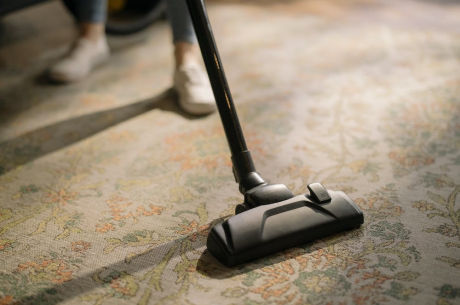
Closet surfaces can harbor odor-causing dust, bacteria, and mildew. Empty the closet completely, vacuum corners and shelves, and wipe surfaces with a gentle cleaner or vinegar solution. Allow everything to dry fully before restocking to prevent moisture-related odors from returning.
6. Check for Hidden Water Damage or Mold
Persistent odors may signal underlying water damage or mold growth. Look for discoloration, warped shelving, soft drywall, visible mold spots, or ongoing dampness. These issues often require professional attention, as hidden moisture and mold can continue producing odors despite repeated cleaning efforts.

When to Call a Professional Odor Removal Service
Some closet odors are more than just “old smell” — they can signal hidden damage that needs expert attention. If you notice:
- Strong musty or moldy odors that return after cleaning
- Evidence of water intrusion or leaks
- Widespread mold growth
- Health symptoms like coughing or allergies are triggered when near the closet.
…it’s wise to consult a restoration specialist.
At PuroClean Certified Restoration Specialists in Zephyrhills, FL, our trained professionals identify and address the underlying causes of odor, moisture, and mold issues. We use industry-leading techniques and equipment to:
- Locate hidden water intrusion.
- Remove mold safely and effectively.
- Dry and restore affected areas.
- Eliminate odors at the source.
Professional care ensures that your closet stays fresh long-term — not just temporarily masked.
Frequently Asked Questions
Can mold in a closet affect indoor air quality?
Yes, mold in a closet can release spores into the air, affecting indoor air quality. This may trigger allergies, respiratory irritation, or unpleasant odors throughout the home, especially when the closet is opened or connected to shared ventilation spaces.
How often should I clean my closet to prevent odors?
Closets should be lightly cleaned every few months and deep cleaned at least once a year. Regularly airing out the space, washing stored fabrics, and checking for moisture helps prevent odor buildup and reduces the risk of mold or mildew development.
Are certain closet materials more prone to odors?
Yes, materials like fabric, carpeted flooring, and untreated wood can absorb moisture and trap odors more easily. Closets with these materials require extra ventilation, moisture control, and periodic cleaning to maintain a fresh environment.
Can scented products mask closet odors effectively?
Scented sprays, plug-ins, or sachets may temporarily mask odors but do not eliminate the source. True odor removal requires addressing moisture, mold, or dirty fabrics to prevent smells from returning, making scented products a short-term solution only.
How long does it take for a closet odor remover to work?
The effectiveness of a closet odor remover depends on the odor source. Light, surface-level smells may disappear within a day or two, while mold, mildew, or persistent dampness may require multiple treatments or professional intervention.
Final Thoughts
Getting rid of musty, damp, and moldy smells in your closet doesn’t have to be a mystery. By identifying the cause, using effective closet odor remover solutions, and keeping up with prevention habits, you can enjoy a clean, fresh-smelling storage space.
If odors persist or you suspect moisture or mold damage, don’t wait — contact the experts at PuroClean Certified Restoration Specialists in Zephyrhills, FL for professional assessment and restoration. A fresh closet starts with addressing the root cause, not just the smell.


 PuroClean Certified Restoration Specialists