 PuroClean Certified Restoration Specialists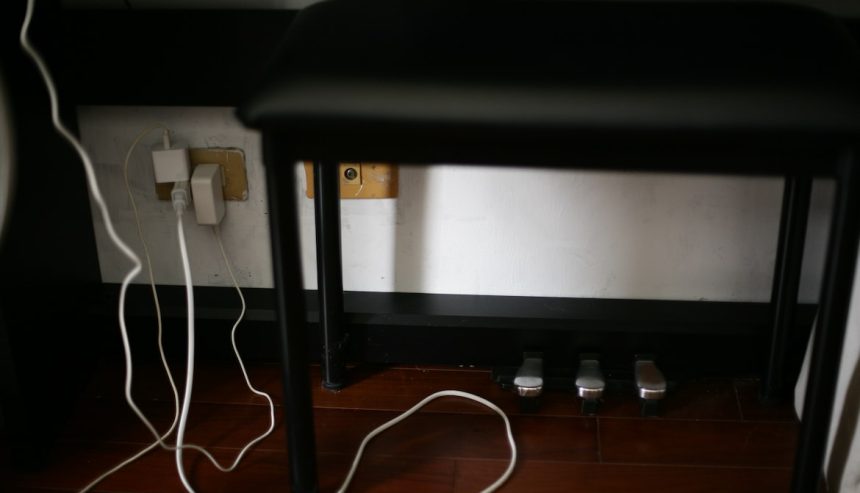
To protect yourself and your loved ones from harm, you must follow safety guidelines when using extension cords. In this article, I’ll provide some key extension cord safety tips to stay safe while using extension cords at home so that everyone can enjoy their electronic devices worry-free.
Extension cords allow us to power our electronics in places without a permanent outlet. But it’s more complex than just plugging them in; there are certain precautions we must take before using one. Electrical accidents can cause devastating injuries and even death – the stakes are too high to ignore this important topic!
What is an Extension Cord?
An extension cord is an electrical wire that provides power to appliances and electronics. It’s a long, flexible cable with plugs on both ends. Extension cords are extremely useful tools for connecting devices in hard-to-reach places. They must be used safely and properly to avoid hazardous situations.
To ensure your safety while using an extension cord, it’s important to understand the basics of cord safety. By understanding how to use these cords correctly; you can help prevent accidents related to improper use of electrical wires in your home.
Risks of Improper Use
Extension cords are convenient and versatile tools, but they can also be dangerous if not used properly. Improper use of an extension cord can lead to an electrical injury or even start a fire.
The primary risk of using an extension cord is shock hazard due to overloaded circuits. When too many appliances are plugged into one outlet, the electricity flow exceeds what it was designed for, resulting in potential shocks. This could occur from multiple devices on the same circuit or having multiple power strips connected. To avoid this issue, ensure each device has its dedicated outlet and never exceeds the maximum wattage rating listed on your appliance’s label.
Another common safety concern is fire hazards caused by short-circuiting or overheating an extension cord. If wires become frayed or exposed, arcing or sparks may occur, creating a spark capable of igniting combustible materials near the cord. Additionally, overloading an extension cord with too many heavy-duty appliances will cause it to overheat and potentially catch fire. Always check your lines before use and replace any worn-out ones immediately.
Extension Cord Safety Tips: Do’S and Don’Ts
It’s important to understand the do’s and don’ts when using extension cords. First and foremost, proper use is essential for safety. Extension cords should never be overloaded or used with products that exceed their voltage rating. To ensure optimal performance, select a cord of the correct length for your needs and avoid over-extending any line.
Second, always check outlets for protection before plugging in an appliance or power tool. Ensure the outlet has a ground fault circuit interrupter (GFCI) installed to reduce the risk of electric shock or electrocution; if not present, contact an electrician immediately. Thirdly, all grounded outlets must have three slots – two parallel slits on top and one round hole below them – so make sure you connect your extension cord properly.
Finally, inspect extension cords regularly for wear and tear damage, such as exposed wires or frayed insulation which can lead to overheating and fire danger. Regular maintenance is key to ensuring the safe usage of extension cords at home.
Inspections and Maintenance
To prevent electrical accidents, inspecting extension cords before use and maintaining them regularly is essential. This includes checking for frayed or cracked wire insulation, exposed wires, loose connections, and any other signs of damage that could lead to an accident. Here are some tips for inspecting and maintaining extension cords:
- Check the cord’s rating for current-carrying capacity before plugging in appliances;
- Inspect all parts of the cord–including outlets and plugs–for cracks, breaks, or bare wiring;
- Replace damaged cords with new ones immediately;
- Do not overload cords beyond their rated capacities;
- Store unused cords in a dry area away from direct heat sources.
Regular inspections and maintenance on extension cords can reduce your risk of experiencing an electrical accident at home. Additionally, taking these simple steps will ensure that your family remains safe by using properly maintained equipment.
Alternatives to Extension Cords
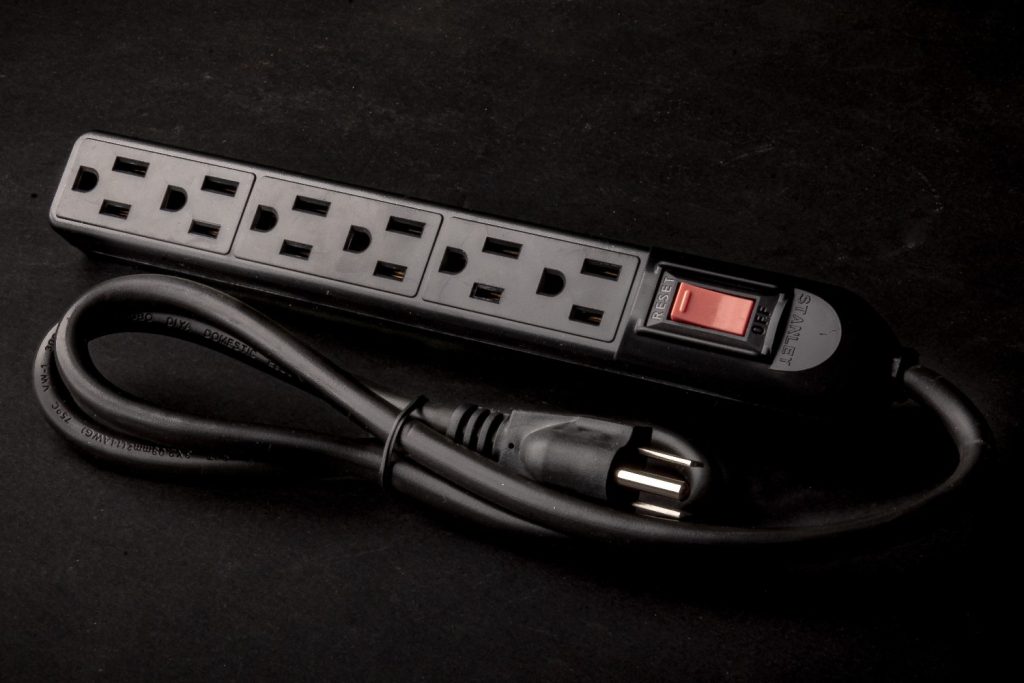
Cable management solutions such as cord covers, or spiral wrap are a great way to secure cords against damage while simultaneously hiding them from view. This option helps keep areas neat and tidy while keeping cords away from high-traffic zones like doorways or hallways. Additionally, you’ll want to be sure any power strips used in these situations have built-in safety features such as overload protection and ground fault circuit interrupters (GFCIs).
If possible, consider hardwiring your appliances or outlets into your home’s electrical wiring system – this is often the safest solution when dealing with power needs around the house. You may also be able to upgrade existing outlets with GFCIs for added peace of mind.
No matter what option you choose, always follow good safety practices when handling electricity – check for frayed cables, use childproofing measures if necessary, and never exceed wattage ratings when plugging items in. These extra precautions can help protect your family from electrical hazards at home!
Conclusion
Using extension cords safely is a must for anyone who relies on them. Improper use can result in electrical accidents and even death. To ensure your safety, always inspect your cord before each use to make sure it’s not damaged or frayed; if it is, replace it immediately. Additionally, be mindful of the wattage you’re plugging into the cord and how many items you have plugged in at once.
At PuroClean Zephyrhills, our professional team offers extension cord safety tips to prevent electrical accidents that could cost property damage and lives. If you need help, simply contact us anytime.


 PuroClean Certified Restoration Specialists