 PuroClean Certified Restoration Specialists
Key Takeaways
- Understanding how to eliminate mold on drywall helps protect your home and health, especially in humid areas like Zephyrhills, where moisture problems are common.
- Small, surface-level mold can sometimes be cleaned, but soft, warped, or deeply contaminated drywall should be replaced.
- Proper safety steps matter: wear protective gear, seal the area, ventilate correctly, and dry everything fully after cleaning.
- Mold often hides behind walls, so recurring odors, stains, or rapid regrowth signal the need for professional inspection.
- Professional mold remediation ensures thorough removal, stops future growth, and protects your property from deeper moisture damage.
Knowing how to eliminate mold on drywall is essential for protecting your home and your health—especially in humid places like Zephyrhills, FL. Mold can spread quickly when conditions are right, damaging your walls, affecting indoor air quality, and posing serious health risks. If you’ve noticed black spots, musty odors, or have had water damage recently, mold might be lurking on or behind your drywall.
In this blog post, we’ll explore what causes mold to grow on drywall, how to tell if you can clean it or need to replace it, and step-by-step safety tips for handling the problem. You’ll also learn when it’s time to call in professionals for mold remediation, like PuroClean Zephyrhills, and how to prevent future growth.
What Causes Mold to Grow on Drywall?
Mold thrives in warm, damp, and humid environments—making drywall a perfect host after water damage. Leaky roofs, burst pipes, high indoor humidity, and poor ventilation all contribute to moisture buildup behind walls. In Zephyrhills, frequent storms and high humidity increase the risk. When moisture meets organic drywall material, mold spores quickly settle and spread, often unnoticed until damage becomes severe.
When You Can Clean Mold vs. When You Should Replace Drywall
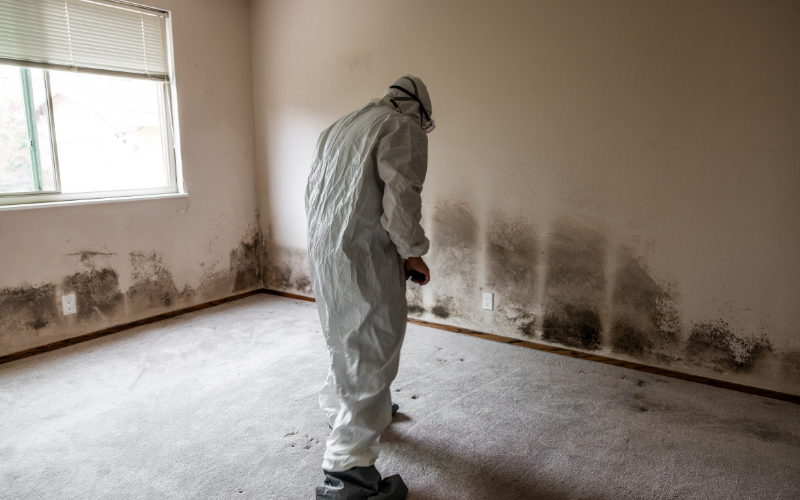
Before deciding to clean or replace, take time to evaluate the severity of the mold. Minor surface spots can often be treated, but deeper or widespread contamination poses health risks and can compromise the structure of your wall.
You can clean drywall if:
- Mold appears in small patches and hasn’t soaked through the material.
- The drywall is still firm and structurally sound.
- There are no signs of musty odor coming from within the wall.
You should replace drywall if:
- Mold is embedded beneath the surface or behind the wall.
- The drywall feels soft, warped, or damaged.
- Mold returns quickly after previous cleaning attempts.
Step-by-Step: How to Eliminate Mold on Drywall Safely
Eliminating mold on drywall takes more than a simple wipe-down. Improper cleaning can release harmful spores into the air and worsen the problem. Always follow safety precautions, and if you’re unsure or the damage is severe, professional mold removal services like PuroClean Zephyrhills can ensure the job is done thoroughly and safely.
1. Wear Protective Gear
Protect yourself with gloves, goggles, an N95 mask, and disposable clothing. Mold spores can cause respiratory irritation, skin rashes, and eye discomfort. Proper safety gear keeps you protected while working in affected areas and minimizes the spread of spores to other parts of the home or building.
2. Isolate the Area
Use plastic sheeting and tape to seal off doors, vents, and openings. This helps contain airborne mold spores during cleanup. Limiting airflow into other rooms keeps the contamination from spreading and protects your living environment during the removal process.
3. Ensure Ventilation
Create controlled ventilation by opening a window and using an outward-facing fan to push contaminated air outside. Avoid circulating air within the space. Proper airflow helps reduce airborne mold, but it must be managed carefully to prevent it from moving into clean areas.
4. Remove Surface Mold
Use a soft brush and a cleaning solution like vinegar or an EPA-registered mold remover to scrub visible growth. Avoid bleach, as it doesn’t fully penetrate porous materials like drywall. If staining persists or mold returns, it may signal deeper contamination.
5. Dry the Area Thoroughly
After cleaning, use dehumidifiers and fans to eliminate residual moisture. Drywall must be completely dry to prevent mold from reappearing. Don’t forget to check surrounding materials like insulation or baseboards, which may also hold moisture and allow mold to grow again.
6. Monitor for Recurrence
In the days and weeks that follow, keep an eye out for musty smells, discoloration, or regrowth. These signs often indicate mold is still present inside the wall. If problems persist, it’s time to bring in mold removal experts to inspect and address hidden issues.
Why Choose Professional Mold Remediation Services
Mold problems can go deeper than what’s visible. What looks like surface staining may be a sign of mold growing behind drywall or under floors. Without the right equipment or knowledge, it’s easy to overlook hidden damage or spread spores during cleanup. This can lead to recurring problems and ongoing health concerns.
Hiring trained mold remediation specialists ensures a thorough and safe process. In moisture-prone areas like Zephyrhills, professionals use advanced tools like moisture meters, HEPA filters, and containment systems to detect and eliminate mold at its source. Their work helps protect your property’s structure—and your peace of mind.
Frequently Asked Questions
Is mold on drywall dangerous?
Mold can cause respiratory problems, allergic reactions, and worsen asthma, mainly in children and older adults. Some molds release harmful mycotoxins. Even small amounts should be taken seriously and removed promptly to protect your health and prevent further damage to your home or business.
Does insurance cover mold damage?
In some cases, yes. Insurance may cover mold damage if it was caused by a covered event like a burst pipe or storm damage. It’s important to check your policy details and report damage quickly. Restoration specialists can also help guide you through the claims process.
How to eliminate mold on drywall after water damage?
First, dry the area thoroughly using fans and dehumidifiers. Remove surface mold with a brush and safe cleaning solution. If mold is embedded or drywall is warped, replace it. Moisture control and regular inspections afterward are essential to prevent mold from returning in water-prone areas.
Can mold grow in newly built homes?
Yes. New homes can still have moisture problems from construction materials, plumbing issues, or improper ventilation. In humid areas like Zephyrhills, drywall can become moldy if not properly dried or sealed. Regular inspections and humidity control help prevent early mold growth.
How much does mold remediation cost?
Mold remediation costs vary based on the extent of mold damage, location, and required repairs. Small jobs might cost a few hundred dollars, while larger infestations can run into thousands. Many companies offer free inspections, and early action can reduce costs significantly.
Is drywall mold always visible?
Not always. Mold can grow behind walls or within insulation without showing on the surface. Signs include a musty smell, peeling paint, or unexplained allergies. If you suspect hidden mold, an inspection using moisture meters or infrared cameras may be necessary.
Final Thoughts
Mold on drywall isn’t just an eyesore—it can be a serious threat to your home and health. Understanding how to eliminate mold on drywall and when to clean or replace affected materials is key to preventing long-term damage. Acting quickly and safely makes all the difference.
If you’ve spotted mold or suspect hidden growth, don’t wait. Let the experts at PuroClean Certified Restoration Specialists of Zephyrhills handle it with care, precision, and professionalism. Our team is here 24/7 to restore your peace of mind and protect your property. Contact us today.


 PuroClean Certified Restoration Specialists