 PuroClean Certified Restoration Specialists
Key Takeaways
- Prepare an emergency kit and evacuation plan before hurricane season.
- Secure your home by reinforcing doors, windows, and clearing debris.
- Follow official evacuation orders and stay indoors away from hazards during the storm.
- Avoid floodwaters and inspect property for damage only after authorities give the all-clear.
- Contact professional restoration services for safe water damage repair and mold remediation.
Hurricanes are powerful and unpredictable storms that can bring strong winds, heavy rains, and flooding, causing serious damage to homes and property. Being prepared before a storm hits is the best way to protect your family, safeguard your belongings, and reduce the stress that comes with such events.
In this guide, you’ll find practical steps to prepare your home before a hurricane, essential safety tips for during the storm, and important actions to take afterward. From creating an emergency kit to securing your property and knowing when to evacuate, preparation is key. If your home suffers damage despite your precautions, professional water damage restoration and mold remediation can help you recover quickly and safely.
Steps to Take Before a Hurricane
Proper preparation before a hurricane is essential to protect your home, family, and belongings. Taking proactive measures can greatly reduce damage and help ensure safety during the storm. The following steps are key to preparing effectively:
1. Create an Emergency Kit
An emergency kit should contain enough essentials to last at least three days. Include water, non-perishable food, flashlights with extra batteries, a battery-powered or hand-crank radio, first-aid supplies, medications, hygiene products, important documents in waterproof containers, and phone chargers. Don’t forget supplies for pets if applicable.
2. Gather Important Documents
Collect essential documents such as insurance policies, IDs, medical records, and property deeds. Store them in waterproof containers and keep digital backups in secure cloud storage or on a safe device. Having these records accessible ensures quicker recovery and simplifies claims processing after the storm.
3. Review Insurance Coverage
Verify that your homeowners and flood insurance provide adequate coverage. Understand policy limits, deductibles, and exclusions. Document your belongings with clear photos or videos to strengthen claims. Updating coverage if needed protects your finances and ensures peace of mind when facing potential hurricane damage.
4. Create a Family Evacuation Plan
Develop a clear evacuation plan with multiple safe routes and meeting points. Share it with all household members, and keep contact information accessible. Prepare a “go-bag” with essentials and important documents. Regularly practice the plan so everyone knows what to do in case evacuation becomes necessary.
5. Secure Your Property
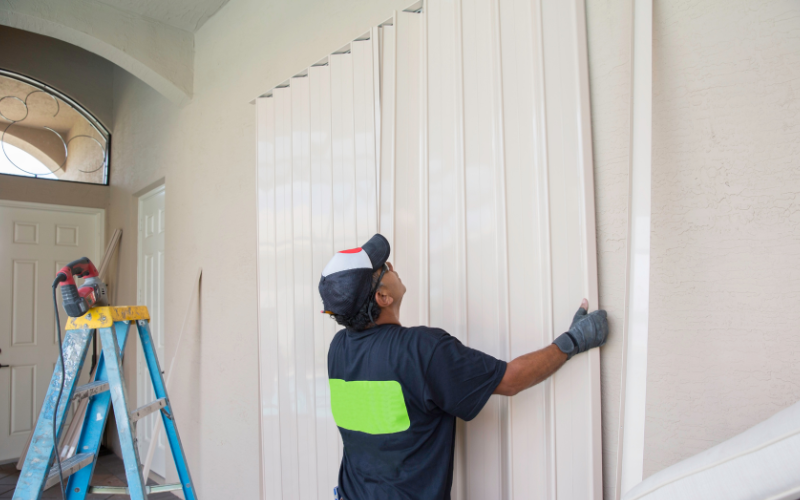
Inspect your roof for damage, trim trees, clean gutters, and reinforce doors and windows. Store loose outdoor items indoors or secure them with straps. Consider installing storm shutters or plywood over windows. Use sandbags in flood-prone areas to divert water. These measures help reduce storm damage and protect your property.
6. Prepare Your Vehicle
Ensure your vehicle is fueled and in good working condition. Keep it stocked with emergency supplies such as water, food, first aid, blankets, and a flashlight. A well-prepared vehicle can be essential if evacuation is required, ensuring safety and accessibility during unpredictable hurricane situations.
7. Stay Informed
Monitor weather updates and local emergency alerts from trusted sources. Sign up for alerts from local authorities and keep a battery-powered or hand-crank radio handy. Staying informed enables timely action and ensures your family responds appropriately to changing storm conditions.
Essential Safety Measures to Follow During a Hurricane
High winds and flying debris during hurricanes make windows hazardous. Stay in interior rooms away from glass to reduce the risk of injury. Avoid skylights and exterior doors, as they are vulnerable during storms. Position yourself in the safest part of your home until the storm passes.
- Use safe rooms such as interior or lower-level bathrooms
Safe rooms protect you from wind damage and flying debris. Choose interior spaces without windows, ideally on the lowest floor above flood level. Bathrooms or closets often work well due to reinforced walls and plumbing structures. Having a designated safe room ensures you and your family remain shielded during the storm’s peak.
- Avoid using electrical devices and turn off the power if a flooding risk exists
Electrical hazards rise during hurricanes, especially with flooding. Avoid using plugged-in appliances and electronic devices to prevent shocks. If flooding is possible, turn off your home’s electricity at the main breaker. This precaution helps protect both lives and property, reducing the risk of electrocution and electrical fires during and after the storm.
- Never use gas or charcoal devices indoors due to carbon monoxide risk
Portable generators, grills, or heaters can produce dangerous carbon monoxide indoors. This odorless gas is lethal and hard to detect. Keep such devices outdoors and away from windows or vents. Proper ventilation and safe placement are critical to avoid carbon monoxide poisoning during power outages caused by hurricanes.
- If trapped in flooding, move to the highest safe level (not closed attics)
Rising water poses severe dangers during a hurricane. If trapped indoors, move to higher floors or elevated safe spots. Avoid closed attics, as they can trap you without escape routes. Choose open areas that allow airflow and rescue access. This increases safety while you await emergency assistance.
- Watch out for lightning risks
Hurricanes often bring lightning and electrical storms. Avoid contact with plumbing, electrical devices, and corded phones during a storm. Stay away from windows and doors, and do not take shelter under trees or metal structures. Lightning safety reduces the risk of injury during a hurricane’s unpredictable weather conditions.
- Be aware of the storm’s “eye” calm period—danger may return
The calm in the storm’s eye can be deceptive. Winds may drop temporarily, giving a false sense of safety. This period is short, and intense winds return quickly. Stay indoors and continue following safety precautions until local authorities declare the storm over. Vigilance is crucial to avoid sudden danger.
- Wait for the official “all clear” before going outside
Even after the storm seems to pass, hazards remain. Floodwaters, downed power lines, debris, and unstable structures can cause injury. Wait for official confirmation from authorities before venturing outside. Ensure that conditions are safe and that rescue or cleanup operations have progressed enough to reduce risk.
What to Do After a Hurricane
Preparing for what comes after a hurricane is just as important as preparing before it hits. Knowing the right steps to take can protect your safety, prevent further damage, and speed up recovery. The following section outlines critical actions to follow after a hurricane.
✔ Listen to authorities for information and special instructions
Stay tuned to local news, weather updates, and official announcements. Authorities provide vital safety guidance after a storm. Following instructions helps avoid hazards like unstable structures, contaminated water, and power line dangers. Staying informed ensures a safer, smoother recovery process.
✔ Avoid walking or driving through floodwaters
Just six inches of fast-moving water can knock you off your feet, and one foot can sweep a vehicle away. Floodwaters may hide dangerous debris, deep holes, or downed power lines. Avoid all flood zones to protect yourself and prevent injuries or further emergencies.
✔ Enter damaged buildings only after inspection
Structural damage, gas leaks, or electrical hazards may be present after a storm. Have qualified professionals inspect the building before entry. Even small damage can be dangerous. Safety must come first when reentering your home to prevent accidents or injury.
✔ Document property damage for insurance purposes
Take detailed photos and videos of all affected areas, inside and outside your home. This documentation supports insurance claims and speeds up restoration. Maintain organized records of losses, repairs, and communication with your insurance company to ensure a smooth recovery process.
✔ Wear protective gear during cleanup
When inspecting or cleaning storm damage, wear gloves, safety glasses, rubber boots, and masks. These items protect against sharp debris, contaminated water, and hazardous materials. Proper protection minimizes the risk of injury and illness during the recovery process.
✔ Dispose of unsafe food and water
Food exposed to floodwaters or left without proper refrigeration should be discarded. Contaminated food and water can cause serious illness. When in doubt, throw it out to prevent health hazards. Ensure safe drinking water before resuming normal consumption.
✔ Avoid using wet electrical equipment
Contact with wet electrical appliances is dangerous. Turn off the main power before touching any equipment. Wait for qualified electricians to assess and repair damage. Prioritizing electrical safety prevents shock or fire hazards during cleanup.
✔ Contact professionals for water damage and mold remediation
Even minor flooding can cause lasting damage. Quick action is critical to prevent mold growth and structural issues. Contact restoration experts like PuroClean for professional water removal, drying, and mold remediation services to restore your property safely and efficiently.
✔ Review your preparedness for future storms
After a hurricane, evaluate your preparation steps and update your emergency kit and plans. Learn from experience to improve your response to future storms. Being proactive increases safety and resilience in upcoming hurricane seasons.
Why You Should Seek Professional Help After a Hurricane
Seeking professional help after a hurricane is essential to ensure your home is properly restored and safe for living. Storms can cause hidden damage, including structural issues, electrical hazards, and mold growth, which are not always visible to the untrained eye. Professional water damage restoration and mold remediation experts have the tools and expertise to evaluate and repair these problems effectively.
Hiring experts for post-hurricane restoration also saves time and reduces stress. They work quickly to dry, clean, and repair your property, preventing further damage and health risks. Professional services can also help with insurance claims, ensuring you get the coverage you need and peace of mind after a traumatic event.
Frequently Asked Questions
What should be included in an emergency hurricane kit?
An emergency hurricane kit should contain at least three days’ worth of drinking water, non-perishable food, a battery-powered or hand-crank flashlight, radio, extra batteries, first-aid supplies, whistle, dust mask, duct tape, moist towelettes, garbage bags, tools, local maps, cell phone charger, medications, and important documents.
What should I do if my home floods during a hurricane?
Prioritize safety: avoid standing water and shut off electricity if flooding is severe. Move to higher ground or a safe interior room. Contact emergency services if trapped. Document damage with photos for insurance claims. Call professionals for water damage restoration and mold remediation to prevent long-term structural and health issues.
How do I prevent mold after hurricane flooding?
Mold grows quickly in damp environments. After flooding, dry and ventilate your home immediately. Remove wet materials like carpet, drywall, and insulation. Disinfect surfaces to prevent mold growth. For thorough treatment, hire experts in mold remediation. Professional water damage restoration services ensure safety and prevent health hazards after a hurricane.
Why is it important to have a family evacuation plan?
A family evacuation plan ensures everyone knows where to go, how to communicate, and what to take during a hurricane. It reduces confusion, speeds evacuation, and improves safety. Practicing the plan before hurricane season ensures everyone is prepared and reduces panic in emergency situations
For Post-Hurricane Property Damage Restoration, Contact PuroClean Certified Restoration Specialists
Preparing for a hurricane is more than just securing your home — it’s about protecting your family, belongings, and peace of mind. By taking the right steps before, during, and after a storm, you significantly reduce risks and ensure a faster recovery. Every precaution matters when facing unpredictable storms.
If your property suffers damage despite your preparations, prompt action is essential. PuroClean Zephyrhills offers professional water damage restoration and mold remediation services to restore your home safely and efficiently. Don’t wait for problems to worsen — contact us today to protect your property and begin the recovery process with expert care and peace of mind.


 PuroClean Certified Restoration Specialists