 PuroClean Certified Restoration Specialists
Image by Daniel Tausis on Unsplash
The leading cause of home fires in the United States remains a pressing concern, posing significant risks to both lives and property. Understanding the primary factors responsible for these devastating incidents is essential in our collective efforts to prevent and mitigate their impact.
In this article, we will delve into the statistics and insights provided by the U.S. Fire Administration to uncover the leading causes of home fires. From cooking-related mishaps to heating equipment hazards, electrical issues, and more, we will explore the key culprits behind these destructive events and discuss crucial preventive measures to keep homes safe from this ever-present threat.
What is the Leading Cause of Home Fires?
The leading causes of home fires in the United States are diverse, and they pose significant risks to both life and property. In line with the U.S. Fire Administration (USFA) reports, some of the primary causes of home fires include:
Cooking Fires
Cooking-related fires are a frequent occurrence in residential buildings. The USFA reports that cooking was the leading cause of all residential building fires from 2017 to 2019. In fact, it accounted for a staggering 51% of all residential building fires during that period, making it a significant concern for homeowners and fire departments alike.
Heating Fires
While heating fires have been on a downward trend since the early 1980s, they remained the second major cause of residential building fires from 2017 to 2019. As winter approaches, the use of heating equipment increases, and it’s crucial to exercise caution when using heaters to prevent fires.
Electrical Fires
Electrical issues in homes can lead to fires. The USFA report on residential building electrical fires from 2014 to 2016 highlights the dangers associated with home electrical systems. Electricity is a vital part of modern life, but it must be used safely to prevent fire incidents.
Smoking-Related Fires
Smoking-related fires accounted for a significant number of residential building fires, even though they represented only 2% of all such fires. These fires were a leading cause of civilian fire deaths, emphasizing the importance of safe smoking practices within the home.
Intentionally Set Fires
Intentionally set fires, including arson and controlled burns that require fire service intervention, are a concerning issue. These fires can lead to significant property damage and put lives at risk. Lighters, matches, and other heat sources were commonly associated with intentionally set fires.
Holiday and Seasonal Fires
Special occasions like Halloween and Thanksgiving can also pose fire risks, as shown in reports from the USFA. Seasonal decorations and cooking practices can contribute to fires during these times.
Appliance and Electrical Fires
Appliances, such as clothes dryers, can be sources of fires in residential buildings. For example, between 2008 and 2010, an estimated 2,900 clothes dryer fires occurred in residential buildings, resulting in loss of life, injuries, and property damage.
How Can Home Fires Be Prevented?
Preventing home fires is crucial for the safety of your family and property. Here are five important ways to prevent home fires:
Install and Maintain Smoke Alarms
To safeguard your home, place smoke alarms strategically, including inside bedrooms and near sleeping areas. Conduct monthly tests to confirm their proper functioning. Swap out smoke alarm batteries annually or when they emit a low battery warning, ensuring continuous protection.
Practice Safe Cooking Habits
Prevent kitchen fires by never leaving cooking unattended, especially during high-heat methods like frying and grilling. Keep combustibles such as towels and oven mitts away from the stove, and equip your kitchen with a fire extinguisher, knowing how to operate it.
Electrical Safety
Prioritize electrical safety by inspecting cords and outlets regularly for wear or damage and replacing any compromised components. Avoid overloading outlets and power strips, and never conceal cords under rugs or furniture. Additionally, always discard frayed or damaged cords to mitigate electrical fire risks.
Heating Equipment
Protect your home from heating-related fires by maintaining a three-foot clearance between space heaters and flammable objects like curtains and bedding. Regularly service your heating system for optimal safety, and when using open flames in fireplaces, employ fire screens or barriers to contain sparks.
Smoking Safety
If you smoke, practice responsible habits to prevent fires. Smoke outdoors and use a sturdy ashtray to ensure proper disposal of cigarette butts. Additionally, avoid smoking in bed or while drowsy to mitigate the risk of accidental fires in your home.
How Do Home Fires Impact Families and Individuals?
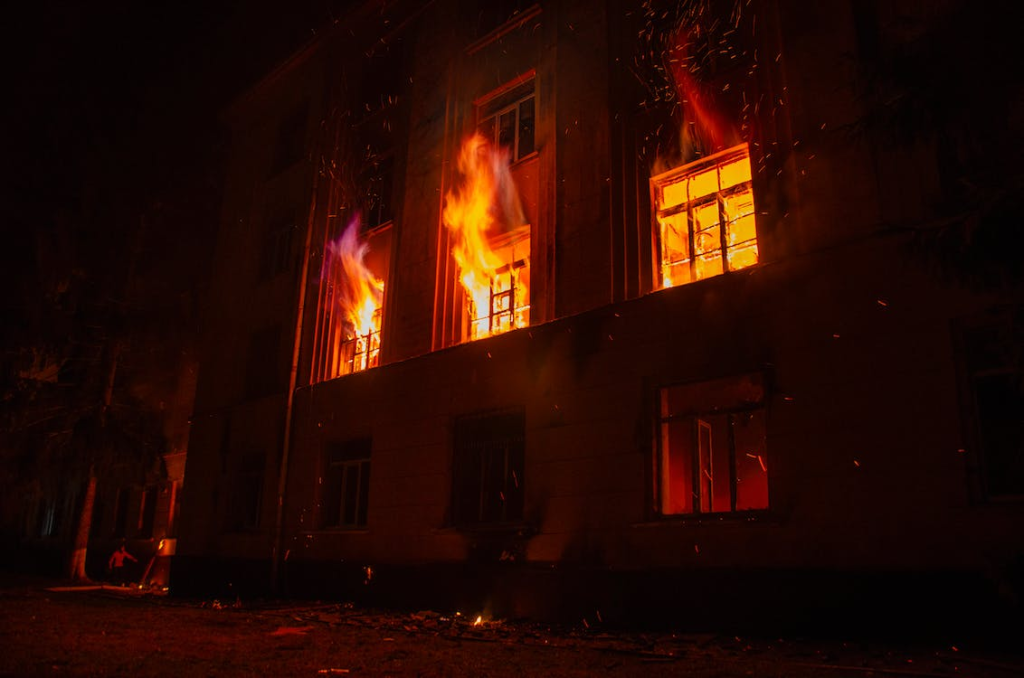
Image by Alexander Zvir on Pexels
Home fires can have profound and far-reaching impacts on families and individuals. Here are five ways in which home fires can affect them:
Physical Injury and Loss of Life:
Home fires can result in severe injuries or fatalities, causing both physical and emotional trauma to individuals and their families. Burns, smoke inhalation, and other injuries can lead to long-term health problems or even death.
Emotional and Psychological Distress
Survivors of home fires often experience emotional and psychological distress, including post-traumatic stress disorder (PTSD), anxiety, and depression. Witnessing the destruction of one’s home and the potential loss of loved ones can lead to lasting mental health challenges.
Property Damage and Financial Burden
Home fires can cause extensive property damage, leaving families without a place to live. Rebuilding or repairing a home can be financially burdensome, even with insurance, and may result in long-term financial strain.
Displacement and Homelessness
In the aftermath of a home fire, families and individuals may be temporarily or permanently displaced. Finding suitable housing can be challenging, and some may face homelessness as a result of the fire.
Loss of Valuables and Sentimental Items
Home fires often result in the destruction of personal belongings, including irreplaceable sentimental items. Losing photographs, heirlooms, and cherished possessions can be emotionally devastating and difficult to recover from.
Conclusion
The leading cause of home fires in the United States is cooking-related incidents, responsible for a significant portion of residential building fires. Preventing these fires, along with addressing other common causes such as heating, electrical issues, and smoking, is crucial for safeguarding lives, property, and emotional well-being. Home fires can have devastating consequences, making fire prevention measures essential for every household.
If you ever encounter the aftermath of a home fire, remember that help is just a call away. Contact us at PuroClean of Zephyrhills for expert smoke and fire damage restoration services. Your safety and peace of mind are our utmost priorities.


 PuroClean Certified Restoration Specialists