 PuroClean Certified Restoration Specialists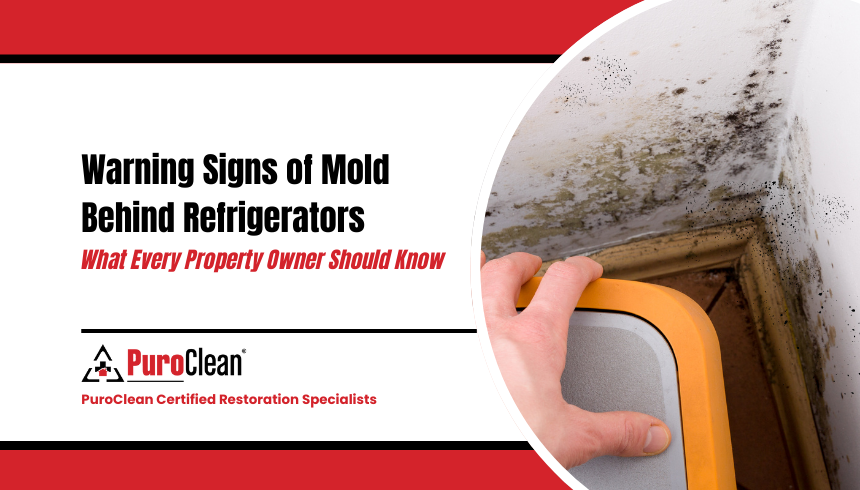
Key Takeaways
- Mold behind a refrigerator can develop quietly due to moisture, spills, and poor ventilation.
- A persistent musty or earthy odor near the fridge often indicates hidden mold growth.
- Stains or discoloration on walls or baseboards can signal dampness and potential mold development.
- Fuzzy, slimy, or patchy growth in black, green, or gray usually means the mold problem has advanced.
- Professional mold remediation can safely remove mold and address hidden moisture to protect your home.
There’s a hidden danger lurking in many kitchens that property owners often overlook: mold behind refrigerators. While it may seem harmless, the area behind your fridge can trap moisture, crumbs, and spills, creating the perfect environment for mold spores to grow. This hidden growth can affect indoor air quality, damage walls or flooring, and even trigger allergy symptoms if left unaddressed.
In this blog post, we’ll explore the most common causes and warning signs of mold behind the refrigerator, how to identify it early, and the steps every homeowner or property manager should take to prevent it. We’ll also explain when to call a professional mold remediation expert to safely remove mold and protect your property.
Why Mold Behind a Refrigerator Happens
Mold behind a refrigerator often develops quietly, making it one of the most overlooked issues in homes and rental properties. Understanding what causes it is the first step in preventing costly damage and health concerns. Here are the most common reasons why mold forms behind refrigerators:
- Moisture and Humidity: Mold loves damp conditions. If there’s any moisture buildup — from condensation, a minor leak, or spillage — behind the fridge, mold spores can latch on and grow.
- Temperature Fluctuations & Poor Seals: If the fridge’s seal (the gasket around the door) is worn or cracked, warm air can enter and trigger temperature fluctuations — creating a humid spot ideal for mold.
- Lack of Cleaning & Food Residue: Forgotten spills, crumbs, and old food tossed behind or under the fridge provide nutrients for mold spores to thrive.
- Poor Air Circulation & Ventilation: A cramped fridge or blocked vents can cause uneven cooling and damp pockets — perfect for mold growth.
Because the space behind refrigerators is so seldom checked, mold can spread unnoticed — often until musty odors appear or visible spots emerge.
Common Warning Signs of Mold Behind Refrigerators
Mold behind refrigerators can be difficult to detect early, but it often reveals itself through subtle changes in your home. Identifying these signs quickly can help prevent costly repairs and protect your indoor air quality. Here are some of the most common warning signs to watch for:
1. Musty or Earthy Odor
A persistent musty or earthy smell around the refrigerator is often the first sign of hidden mold growth. Mold releases microbial volatile organic compounds (MVOCs), which create that unmistakable “old house” scent. If this odor consistently comes from the fridge area, it’s a strong indicator of moisture and mold development.
2. Discoloration or Staining on Walls/Baseboards
Yellow stains, dark patches, or water marks behind or around the refrigerator usually mean moisture has been present for some time. These spots often appear before visible mold forms. Discoloration on nearby walls or baseboards signals dampness behind the fridge, creating ideal conditions for mold to grow unnoticed.
3. Visible Fuzzy, Slimy, or Patchy Growth
If you notice fuzzy, slimy, or powdery patches in colors like black, green, or gray behind the refrigerator, it’s a clear sign of mold. These growths may appear on walls, floors, or baseboards. Visible mold usually means the problem has progressed and needs immediate attention to prevent further spread.
4. Recurring Spills or Moisture That Won’t Dry
Persistent dampness, wet spots, or condensation behind the refrigerator is a major warning sign. If moisture keeps returning even after cleaning, it often means a hidden leak, drainage issue, or condensation problem. These conditions create the perfect environment for mold to develop and thrive over time.
5. Unexplained Allergies or Musty Smell in Food
Symptoms like sneezing, coughing, or watery eyes around the kitchen may indicate mold spores circulating from behind the fridge. Mold can also produce odors that affect nearby food. If household allergies worsen or food smells musty, hidden mold growth could be contaminating the surrounding air.
How PuroClean Certified Restoration Specialists Can Help
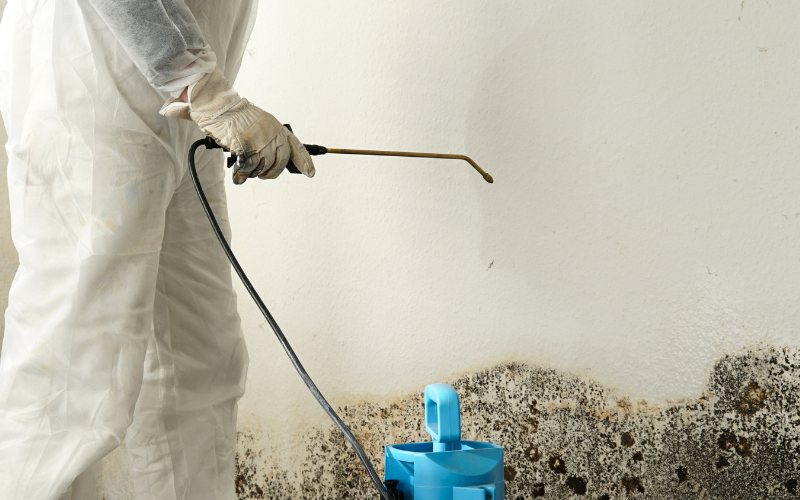
At PuroClean Zephyrills, we specialize in professional mold remediation and water damage restoration. Our trained technicians not only remove visible mold, but also locate hidden moisture sources (walls, flooring, behind appliances) using advanced moisture meters and thermal imaging.
If you ever suspect mold behind your refrigerator (or anywhere else in your home), we’re available 24/7 to assess the situation and restore your property to a safe, healthy condition.
Frequently Asked Questions
How fast can mold grow behind a refrigerator?
Mold behind a refrigerator can begin growing within 24 to 48 hours when moisture is present. Humid environments speed up the process. If condensation, leaks, or spills go unnoticed, mold can spread across walls, flooring, or insulation quickly. Early detection and regular cleaning significantly reduce the risk of fast mold growth.
What does mold behind a refrigerator usually look like?
Mold behind a refrigerator may appear as black, green, brown, or white patches. It can be fuzzy, slimy, or powdery depending on the humidity level. Sometimes it shows up as small speckles that expand over time. Even light discoloration can indicate a deeper mold issue requiring proper cleaning or mold inspection.
Can mold behind the refrigerator spread to other areas of the home?
Yes. Mold behind the refrigerator can spread if spores travel through the air or if moisture reaches nearby walls, cabinets, or flooring. Once mold becomes established, it can move into hidden areas, making removal more challenging. Addressing the source of moisture quickly helps prevent the mold from spreading throughout the home.
How can I prevent mold from returning behind my refrigerator?
Preventing mold behind a refrigerator involves fixing leaks, improving ventilation, and keeping the area clean and dry. Check door seals, avoid overpacking the fridge, and inspect the water line regularly. Pulling the refrigerator out every few months to clean behind it greatly reduces the chance of mold returning.
Final Thoughts
Hidden mold behind a refrigerator is a serious concern that can affect your health, damage property, and spread if left unaddressed. Regular inspection, cleaning, and prompt attention to moisture issues are crucial for maintaining a safe home. Property owners who act quickly can prevent long-term damage and ensure a healthy living environment for their families.
If you suspect mold behind your refrigerator, don’t wait. Contact us at PuroClean Certified Restoration Specialists in Zephyrhills today. Our trained professionals provide expert mold inspection, remediation, and restoration services to keep your home safe, healthy, and protected from hidden mold hazards.

 PuroClean Certified Restoration Specialists