 PuroClean Certified Restoration Specialists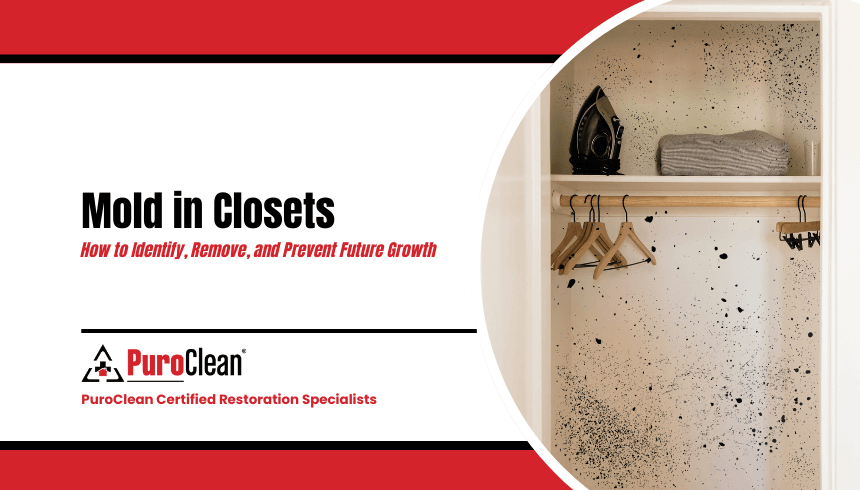
Key Takeaways
- Mold in closets thrives in damp, poorly ventilated areas, so early identification and removal are key to preventing health risks and property damage.
- To safely remove mold, always wear protective gear, ensure proper ventilation, and clean surfaces with the right cleaning products.
- Prevent future mold growth by improving ventilation, controlling humidity, and using mold-resistant products in your closet.
- If mold continues to return, consider professional help from a certified mold remediation service to address the root cause and ensure a mold-free space.
Mold in closets is a common problem that can influence the safety and quality of your living space. Often hidden behind clothing, boxes, or shelving, it can go unnoticed until it becomes a major concern. Mold thrives in dark, damp environments, and unfortunately, closets are often ideal breeding grounds. Whether you’re dealing with a small spot or a larger outbreak, it’s important to handle the issue promptly to prevent health risks and further property damage.
If you’re worried about hidden mold in closets in Zephyrhills, FL, a mold inspection service can help detect potential problems early, giving you peace of mind and preventing bigger issues later. In this blog, we’ll guide you through the best ways to identify, remove, and prevent future mold growth in your closet, helping you maintain a clean and healthy space.
What Is Mold and Why Does It Grow in Closets
Mold is a type of fungus that can grow on various surfaces, including walls, wood, fabric, and even leather, particularly in areas that are damp or poorly ventilated. It can be black, green, white, or even fuzzy, and typically has a musty odor that can be detected in the air. Mold spores are always present in the environment, but they need certain conditions to thrive, including dampness, warmth, and organic material to feed on (like wood or clothing fibers).
Closets, especially those with high humidity or poor airflow, are ideal breeding grounds for mold. Hidden areas like pipes or roofing leaks can lead to moisture buildup, which may go unnoticed for extended periods. Items such as damp clothes or shoes also provide a food source for mold to grow.
The lack of sunlight and limited air circulation in many closets creates perfect conditions for mold in closets to thrive, particularly if humidity levels are not properly managed. Knowing the conditions that encourage mold growth is the first phase in preventing it and protecting both your health and your belongings.
How to Identify Mold in Closets
Identifying mold in closets can be tricky, especially since it’s often hidden behind clothing, boxes, or shelves. However, spotting mold early can prevent larger, more expensive problems down the line. Here are the key signs that mold may be present in your closet:
- Musty Odor: A damp, earthy smell is one of the first indicators of mold. If your closet smells musty, there’s a good chance mold is lurking inside.
- Discoloration: Mold can appear as black, green, white, or even fuzzy patches on walls, shelves, and clothing.
- Visible Growth: Look for small clusters or spots on closet walls or items like shoes and fabric that may show signs of mold growth.
- Dampness: If your closet feels unusually damp or there’s excess moisture present, it could be a sign of mold.
- Warped or Damaged Items: Clothes, shoes, or wood that seem warped, discolored, or brittle may have been affected by mold.
- Condensation: Regular condensation on the inside of closet walls, especially during cold months, is a signal that mold might thrive.
- Allergic Reactions: If you or your family experience allergy-like symptoms (like sneezing, coughing, or eye irritation) when in the closet, it could be due to mold spores.
How to Safely Remove Mold in Closets
Once you’ve identified mold in your closet, the next step is removal. It’s essential to handle mold cleanup safely to protect your health and prevent further damage to your property in Zephyrhills, FL. Here are the key steps to follow for safe and effective removal of mold in closets:
1. Wear Protective Gear
Mold spores are microscopic and can be harmful to your health. Always wear gloves, goggles, and a mask (preferably an N95 respirator) to prevent direct contact with mold or inhalation of spores.
2. Ensure Proper Ventilation
Mold thrives in damp, stagnant air, so proper ventilation is key. Open windows and doors to let fresh air circulate and reduce the concentration of mold spores in the room.
3. Use the Right Cleaning Products
When it comes to the removal of mold in closets, it’s important to use the right cleaning products to effectively tackle the issue. A simple mixture of water and cleaning detergent can be used to scrub surfaces.
4. Remove Affected Items
If mold has spread to clothing, shoes, or other personal items, it may be necessary to dispose of them if they’re too heavily infested. For items that can be salvaged, wash them thoroughly in hot water and dry them completely.
5. Clean Hard Surfaces
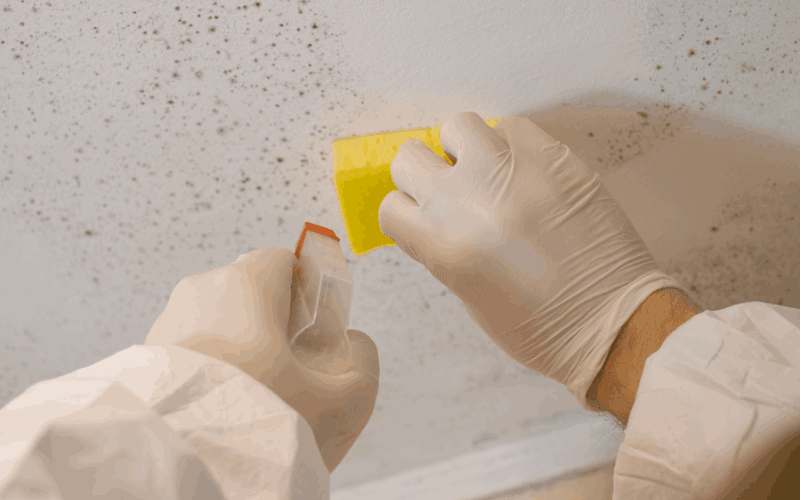
Use a stiff-bristled brush, scrub sponge, or microfiber cloth to clean mold from walls, shelves, and closet floors. Focus on areas where you’ve seen visible mold growth. Gently scrub the affected areas until all visible mold is removed.
6. Address Moisture Issues
Mold won’t grow without moisture, so it’s critical to address the underlying cause of the mold problem. After cleaning, inspect your closet for any leaks or sources of water buildup. Fix any plumbing issues or leaks to prevent further moisture accumulation.
7. Check for Hidden Mold
Mold can often hide in areas that aren’t immediately visible, such as behind furniture or in the corners of your closet. Be sure to check all parts of your closet, including hidden nooks and crannies, to ensure that mold is completely removed.
8. Seek Professional Help
If the mold growth is extensive or if you’re unsure how to handle the cleanup safely, it’s always a good idea to call in a professional. A certified mold remediation expert can provide mold removal in Zephyrhills and ensure that the problem is dealt with thoroughly. They have the tools, knowledge, and experience to handle larger infestations and prevent further damage to your property.
Tips to Prevent Future Mold Growth in Closets
Once you’ve removed the mold, it’s important to take steps to prevent it from coming back. Mold in closets thrives in damp, poorly ventilated areas, so taking proactive measures can help keep your closet dry and free from mold. Here are several tips to help prevent future mold growth in your closet:
- Ensure proper ventilation by leaving the closet door slightly open or installing a vent to allow air circulation.
- Use a dehumidifier to maintain humidity levels below 60% and prevent mold from growing.
- Fix leaks immediately to prevent moisture buildup, which can lead to mold development.
- Store clothes properly by ensuring they are completely dry before placing them in your closet.
- Use mold-resistant products like paints, sealants, or closet liners for added protection against mold.
- Regularly inspect your closet for any moisture or mold signs to catch issues early.
- Maintain a clean closet by removing dust and debris that can contribute to mold growth.
- Use moisture absorbers such as silica gel packs or activated charcoal to reduce humidity.
Frequently Asked Questions
How do I know if the mold is dangerous?
Mold can be harmful to your health, especially if you have allergies or asthma. Black mold can be more dangerous, as it may cause breathing problems, headaches, or eye irritation. If you start to feel sick with symptoms like coughing, sneezing, or headaches, it’s important to remove the mold and avoid further contact to protect your health.
Can mold in closets spread to other areas of my home?
Yes, mold spores can travel through the air, and if left untreated, they can spread to other parts of your Zephyrhills home. It’s essential to contain and remove the mold as quickly as possible to prevent it from spreading.
What should I do if mold keeps coming back in my closet?
If mold keeps returning, it may be due to persistent moisture issues like leaks or high humidity. Address the root cause of the moisture, and consult a professional mold remediation service in Zephyrhills to ensure the problem is fully resolved.
Conclusion
Dealing with mold in closets can feel overwhelming, but with the right knowledge and precautions, you can tackle the issue effectively. By identifying mold early, using safe removal methods, and taking preventive actions, you can safeguard your closet—and your home—from future mold growth.
If you find yourself dealing with mold growth, PuroClean Zephyrhills is here to assist. Our team of certified experts is ready to provide reliable mold remediation services to restore your home to a safe, healthy condition. Call us today for all your water, fire, mold, biohazard, or any other remediation-related service needs in Zephyrhills, FL!

 PuroClean Certified Restoration Specialists