 PuroClean Certified Restoration Specialists
Key Takeaways
- Cleaning mold-prone areas can release spores that trigger an allergic reaction to mold, leading to symptoms like sneezing, coughing, and itchy eyes.
- Mold often hides in damp, low-ventilation spots such as bathrooms, carpets, behind appliances, and window sills.
- Skin irritation, headaches, and fatigue can also occur when you come into contact with or inhale mold spores.
- Florida’s humid climate—especially in areas like Zephyrhills—creates ideal conditions for rapid mold growth.
- Professional mold remediation from PuroClean Zephyrhills can identify and safely remove hidden mold to protect your health and home.
If you’ve ever experienced sneezing, itchy eyes, or skin irritation while scrubbing the bathroom or basement, you might be showing signs of an allergic reaction to mold when cleaning your home. In warm, humid areas like Zephyrhills, FL, mold can thrive in hidden corners, making it easy to come into contact with allergens without realizing it.
In this blog post, we’ll explore why mold causes allergic reactions, the most common symptoms to watch for, where hidden mold might be lurking in your home, and how PuroClean Zephyrhills can help with expert mold remediation services before these problems affect your health.
Why Mold Can Trigger Allergic Reactions
Mold is a type of fungus that thrives in damp, humid environments—common in Zephyrhills homes after heavy rains or plumbing leaks. As mold grows, it releases tiny spores into the air. When inhaled, these spores can irritate the respiratory system, especially in people with sensitivities or asthma. Even a small amount of mold can lead to symptoms like coughing, wheezing, and sinus congestion.
Your immune system reacts to mold spores as if they’re harmful invaders. This triggers allergy symptoms, similar to pollen or dust allergies. Because cleaning can disturb mold and release more spores, reactions often worsen during or shortly after cleaning moldy areas.
Common Signs You’re Having an Allergic Reaction to Mold
When you’re cleaning areas where mold might be present, your body may respond with allergy-like symptoms. These reactions can vary depending on the individual, the amount of exposure, and how sensitive someone is to mold spores. Here are the most common signs to watch for:
1. Frequent Sneezing
Sneezing is one of the first signs your body is reacting to an irritant like mold. During cleaning, disturbing mold releases spores into the air, which your immune system perceives as a threat. This results in repetitive sneezing as your body tries to expel the spores from your nasal passages. If you sneeze more in damp or enclosed spaces, mold might be the cause.
2. Persistent Cough
A dry or persistent cough that begins during or shortly after cleaning could be a result of inhaling mold spores. These spores can irritate your throat and lungs, especially if you have asthma or a weakened immune system. The more mold is present in the air, the more intense the reaction. If your cough lingers beyond cleaning, it may signal ongoing exposure.
3. Runny or Stuffy Nose
Mold exposure often mimics cold symptoms, especially congestion or a runny nose. This happens when your nasal passages become inflamed due to allergic reactions from airborne mold spores. If your nose becomes stuffy or begins dripping only during or after cleaning certain areas, there’s a strong chance that mold is present and triggering this immune response.
4. Itchy or Watery Eyes
When mold spores come into contact with your eyes, they may cause itchiness, redness, and watering. These symptoms typically worsen in rooms with poor ventilation, like bathrooms or basements. If your eyes start reacting during cleaning, especially in moist or previously flooded areas, this could indicate mold-related irritation rather than dust or general allergens.
5. Skin Irritation or Rashes
Direct contact with moldy surfaces or contaminated materials during cleaning can cause skin reactions. Redness, itchiness, or rashes may appear on exposed skin, such as your hands or arms. These symptoms can develop within hours and persist if the mold source isn’t addressed. Using gloves can help reduce exposure, but professional remediation is often needed to stop recurring reactions.
6. Fatigue and Headaches
Prolonged exposure to mold—especially in enclosed areas—can cause headaches and a general feeling of fatigue. This is often overlooked but is a common symptom of mold-related illness. If cleaning makes you feel tired, dizzy, or mentally foggy, it may be your body’s way of signaling an allergic reaction to mold exposure in the environment.
Hidden Mold Exposure Risks While Cleaning
Cleaning your home may feel like a healthy routine, but it can unknowingly expose you to hidden mold. Disturbing mold-contaminated areas can release spores into the air, triggering allergic reactions. Here are six ways mold exposure can happen while cleaning—especially in humid regions like Zephyrhills, FL:
- Scrubbing Moldy Bathroom Grout
Mold often hides in tile grout, especially in showers and around tubs. When you scrub these areas, you break up mold colonies and send spores airborne. This increases your chances of inhaling spores or getting them on your skin—both of which can lead to allergic reactions.
- Vacuuming Carpets With Hidden Mold
If your carpets have experienced water damage or humidity buildup, mold can grow underneath. Vacuuming without a HEPA filter can release mold spores into the air, spreading them throughout the room and worsening indoor air quality.
- Cleaning Behind Appliances
Moisture tends to accumulate behind refrigerators, dishwashers, and washing machines—ideal spots for mold growth. Moving these appliances during cleaning can disturb mold that has been silently growing, leading to unexpected exposure.
- Wiping Down Window Sills
Condensation around windows can create damp conditions where mold thrives. Regularly wiping window sills may stir up dormant mold colonies. If you notice black or green patches, it’s likely mold and not just dust.
- Dusting Forgotten Storage Areas
Closets, attics, and basements can have poor air circulation and high humidity, allowing mold to thrive undetected. Dusting these spaces can disturb mold spores and send them into the air, triggering allergy symptoms.
- Mopping Damp Floors Without Drying
Mopping without properly drying the floor can leave moisture behind, creating the perfect environment for mold. If you’re cleaning after a spill or minor flood and don’t dry the area completely, mold can form and be disturbed the next time you clean.
How PuroClean Zephyrhills Can Help
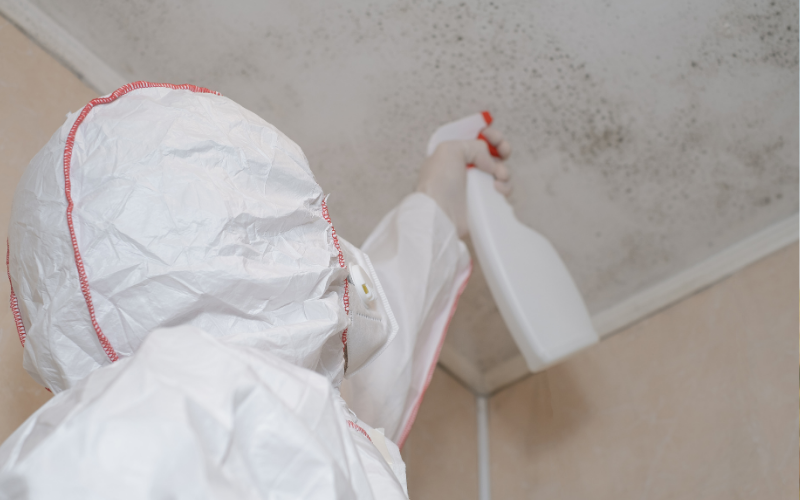
At PuroClean Zephyrhills, we understand the serious health risks mold can pose. That’s why we offer professional mold remediation services designed to identify, contain, and eliminate mold growth safely and effectively. Our certified technicians use advanced equipment and proven methods to remove mold while protecting your property and health. We treat each case with care, ensuring a thorough and safe cleanup.
Whether you’re dealing with visible mold or suspect hidden growth causing allergic reactions, our team is here 24/7 to help. We’re local to Zephyrhills, so we understand the unique mold challenges in Florida’s humid climate. Trust us to restore your home and peace of mind.
Frequently Asked Questions
How do I know if it’s mold or just dirt?
Mold often appears slimy, fuzzy, or discolored—green, black, or white—and gives off a musty odor. Dirt usually wipes away easily and has no smell. If the spot returns after cleaning or spreads, it’s likely mold. Our professionals can inspect and confirm what you’re dealing with.
Can mold grow even if I don’t see it?
Yes. Mold thrives in dark, damp, hidden areas like behind walls, under carpets, or inside HVAC systems. You may smell it before seeing it. If you experience allergy symptoms without visible mold, a professional mold inspection can uncover hidden growth and prevent further damage.
How quickly should I act if I suspect mold?
Immediately. Mold spreads fast in Florida’s humid climate, and waiting can worsen both health symptoms and property damage. Calling a professional team like PuroClean Zephyrhills ensures timely detection and safe remediation before it becomes a larger, more expensive problem.
Is mold dangerous for pets?
Yes, mold exposure can also affect pets. They may experience symptoms like sneezing, coughing, lethargy, or even signs similar to an allergic reaction to mold. Some molds, like black mold, are particularly harmful. If your pet shows unusual symptoms after cleaning or being in damp areas, consult a vet and schedule a professional mold inspection.
What should I do while mold remediation is in progress?
Avoid the affected areas and follow any safety instructions given by the remediation team. In some cases, you may need to temporarily vacate your home. Our team will keep you informed and work quickly to minimize inconvenience while ensuring your health and safety.
Final Thoughts
Recognizing the signs of an allergic reaction to mold when cleaning your home is essential to protecting your health and ensuring your indoor air quality stays safe. From sneezing and itchy eyes to fatigue and skin irritation, these symptoms could be your body’s way of alerting you to hidden mold in your living space.
Don’t wait for mold to impact your health or damage your home. Let PuroClean Zephyrhills take the stress out of mold removal with expert care and fast, reliable service. Call us now or visit our website to schedule your professional mold remediation consultation.


 PuroClean Certified Restoration Specialists