 PuroClean of Ann Arbor
Expert tips from PuroClean of Ann Arbor
Table of Contents
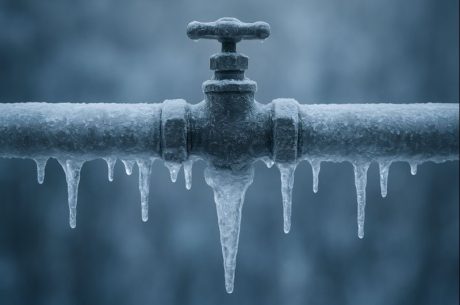
Winter in Ann Arbor can be beautiful — but it also brings dangerously cold temperatures that can cause major damage to your home. One of the most common winter emergencies we respond to is frozen pipes. When water freezes inside your plumbing, it expands and can cause pipes to burst, leading to extensive water damage in your home.
At PuroClean of Ann Arbor, we see this happen every year. Many homeowners don’t realize the risk until it’s too late. Below is a complete guide to understanding why pipes freeze, how to prevent it, and what to do if it happens.
Why Do Pipes Freeze in Ann Arbor Homes?
Pipes are most at risk when they’re exposed to freezing temperatures — especially if they’re located in unheated areas or along exterior walls. In Ann Arbor, the most common problem areas include:
- Basements
- Crawl spaces
- Attics
- Garages
- Kitchen and bathroom cabinets
- Outdoor hose bibs
- Sprinkler lines
Several factors contribute to pipe freezing in Michigan homes:
- Old or deteriorating plumbing systems
- Poor insulation or uninsulated walls
- Extreme wind and cold fronts
- Sudden temperature drops
- Corroded pipes that weaken over time
When pipes freeze, the water inside expands and that pressure can cause the pipe to crack or burst. In many cases, the damage isn’t discovered until water starts leaking inside walls, damaging floors, ceilings, or carpets.
How Water Pipes Freeze (And Why It’s So Dangerous)
Water behaves differently than most substances. When it cools, it becomes denser — until it reaches 32°F, when it expands and turns to ice. This expansion increases water volume by about 11%, creating tremendous pressure inside the pipe.
The pressure from freezing water can reach 50,000 to 114,000 psi, which is more than enough to burst even strong metal or plastic pipes.
When pipes burst, water can quickly spread through your home, damaging:
- Flooring and carpets
- Drywall
- Insulation
- Electrical systems
- Finished basements
That’s why preventing frozen pipes is crucial — and why acting fast is essential if a pipe does freeze.
How to Prevent Pipes from Freezing in Ann Arbor
Here are practical steps you can take to protect your home during cold weather:
1. Drain outdoor water lines
After using your sprinkler system or pool supply lines, drain them completely. Avoid using antifreeze if possible — it can harm pets, wildlife, and landscaping.
2. Disconnect and drain outdoor hoses
Disconnect hoses from hose bibs, drain them, and store them indoors. Close the indoor valve supplying the hose bib, then open the outdoor faucet to drain any remaining water.
3. Insulate vulnerable pipes
Check pipes located in unheated areas like basements, crawl spaces, and attics. Use pipe insulation sleeves or UL-listed heat tape to protect exposed pipes.
4. Keep water moving
Allow a faucet to drip slightly during extremely cold nights. Moving water is less likely to freeze.
5. Keep garage doors closed
If you have water supply lines in the garage, keep the doors closed to maintain warmer temperatures.
6. Open cabinet doors
Open kitchen and bathroom cabinet doors to allow warm air to circulate around pipes. Be sure to keep cleaning supplies out of reach of children.
If You’re Leaving Home During Winter
If you plan to be away for several days during winter, follow these steps to prevent frozen pipes:
- Set the thermostat no lower than 55°F
- Shut off the main water supply
- Drain pipes and leave faucets open
- Arrange for a neighbor to check the home daily
- Have emergency numbers ready, including a plumber and PuroClean of Ann Arbor
- Service your HVAC system and sump pump
- Consider backup power for your sump pump
- Turn off the water heater before leaving
- Clean gutters and downspouts
- Install storm windows and close shutters
These steps can reduce the risk of a major water damage event while you’re away.
How to Unfreeze Frozen Pipes (Safely)
If you suspect a pipe is frozen, here’s what to do:
1. Locate the frozen pipe
Turn on all faucets. If one faucet has no water or only a trickle, the pipe leading to it may be frozen.
2. Open the faucet
Open the faucet connected to the frozen pipe to relieve pressure and allow water to flow once thawing begins.
3. Thaw from the faucet outward
Start thawing near the faucet and work toward the frozen section. This helps prevent pressure buildup and bursting.
4. Use safe thawing methods
You can thaw exposed pipes using:
- A hairdryer
- Hot towels wrapped around the pipe
- Electric heat tape
For pipes hidden behind walls, try increasing indoor heat or using an infrared lamp aimed at the wall.
⚠️ Safety Warning
Never use open flames like torches, propane heaters, or charcoal stoves. These methods can cause fires and still may not prevent a burst.
What to Do If a Pipe Bursts
If a pipe bursts, act immediately:
- Shut off the main water valve
- Call a plumber
- Call PuroClean of Ann Arbor
Our technicians are available 24/7 to evaluate and remediate water damage quickly and efficiently. We will help restore your home and reduce the risk of mold growth or structural damage.
Need Help After Frozen Pipe Damage?
If you’re dealing with a frozen or burst pipe in Ann Arbor, PuroClean of Ann Arbor is here to help. We offer fast, professional water damage restoration services to get your home back to normal.
📞 Call us anytime — 24/7 — for emergency water damage restoration.

 PuroClean of Ann Arbor