 PuroClean of Ann Arbor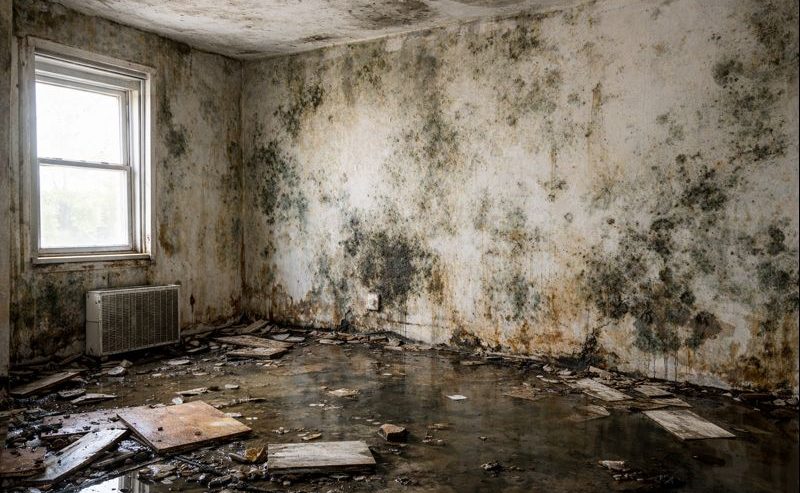
Table of Contents
Heavy rain and flooding are becoming increasingly common in Southeast Michigan. When water enters basements, crawl spaces, or wall cavities, homeowners often face a serious secondary issue: mold after heavy rain or flooding in Ann Arbor.
If moisture isn’t addressed quickly, mold can begin growing within 24–48 hours, leading to structural damage, poor indoor air quality, and potential health concerns. This guide explains what to do next, how to recognize early warning signs, and when to call PuroClean of Ann Arbor for professional help.
Why Mold After Heavy Rain or Flooding in Ann Arbor Is So Common
Ann Arbor’s climate and housing characteristics make mold a frequent post-storm problem.
Local factors that increase mold risk include:
- Heavy spring and summer rainstorms
- High post-storm humidity levels
- Older homes with block or stone foundations
- Finished basements and crawl spaces
- Neighborhoods near low-lying areas and waterways like the Huron River
These conditions make mold after heavy rain or flooding in Ann Arbor especially common when water damage is not professionally dried and mitigated.
How Mold Develops After Flooding or Heavy Rain
Mold needs only three things to grow:
- Moisture
- Organic materials (drywall, wood, carpet, insulation)
- Time
After flooding, moisture often becomes trapped behind walls, under flooring, and inside insulation. Even if surfaces appear dry, hidden moisture can lead to mold after heavy rain or flooding in Ann Arbor days or even weeks later.
Common post-storm mold locations:
- Basements and lower levels
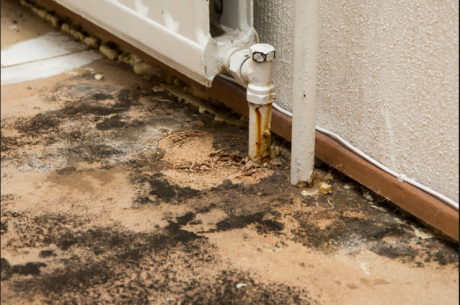
- Behind drywall and baseboards
- Crawl spaces
- Attics following roof leaks
- HVAC systems and ductwork
Warning Signs of Mold After Heavy Rain or Flooding in Ann Arbor
Mold is not always immediately visible. Watch for these warning signs after a storm:
- Musty or earthy odors
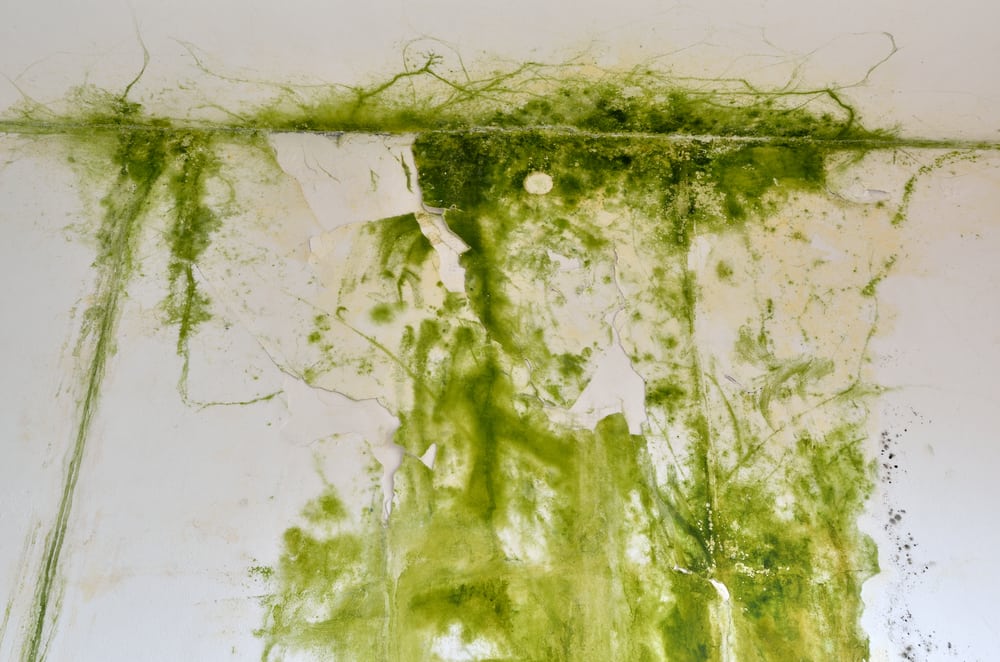
- Discoloration on walls or ceilings
- Bubbling paint or warped drywall
- Persistent indoor humidity
- Allergy-like symptoms indoors
- Damp carpet or padding
If any of these symptoms appear, it may indicate mold after heavy rain or flooding in Ann Arbor and should be addressed promptly.
What to Do Immediately After Flooding or Heavy Rain
Step 1: Prioritize Safety
- Avoid flooded areas if electrical systems may be compromised
- Wear gloves, boots, and masks
- Do not disturb visible mold growth
Step 2: Stop the Source of Water
- Repair roof or window leaks
- Clear blocked gutters and downspouts
- Confirm sump pumps are functioning properly
Step 3: Begin Drying (If Conditions Are Safe)
- Use fans and dehumidifiers
- Increase air circulation
- Remove standing water quickly
⚠️ DIY drying may not be enough to prevent mold after heavy rain or flooding in Ann Arbor, especially when moisture is hidden inside walls or flooring.
Why Professional Mold Remediation Matters
Professional remediation goes far beyond surface cleaning. It addresses the root cause—moisture—and prevents mold from returning.
Professional mold remediation typically includes:
- Advanced moisture detection
- Containment to prevent cross-contamination
- Safe removal of affected materials
- HEPA air filtration
- Structural drying and dehumidification
Professional services are often the most effective solution for mold after heavy rain or flooding in Ann Arbor, where hidden moisture is common.
Health Risks Associated With Mold Exposure
While not all mold is toxic, prolonged exposure can cause:
- Allergic reactions
- Asthma flare-ups
- Respiratory irritation
- Headaches and fatigue
Children, seniors, and individuals with respiratory conditions are especially vulnerable. The U.S. Environmental Protection Agency (EPA) provides guidance on mold and indoor air quality, emphasizing the importance of rapid moisture control.
Does Insurance Cover Mold After Flooding?
Insurance coverage depends on the cause of the water damage and your specific policy.
Generally:
- Sudden water events (storm-related leaks, burst pipes) may be covered
- Flooding often requires separate flood insurance
- Long-term moisture issues are typically excluded
Insurance claims related to mold after heavy rain or flooding in Ann Arbor often depend on how quickly mitigation begins. The Michigan Department of Insurance and Financial Services (DIFS) recommends documenting damage immediately and notifying your insurer as soon as possible.
PuroClean of Ann Arbor works with insurance providers to help streamline the claims process when possible.
How to Prevent Mold After Heavy Rain in the Future
Preventative steps for Ann Arbor homeowners:
- Install or maintain sump pumps with battery backup
- Extend downspouts away from the foundation
- Seal foundation cracks
- Use dehumidifiers in basements year-round
- Schedule professional moisture inspections
- Inspect attics and roofs after major storms
You may also find these related resources helpful:
When to Call PuroClean of Ann Arbor
You should contact a professional immediately if:
- Flooding occurred and drying was delayed
- Musty odors persist after a storm
- Mold is visible or suspected
- You want professional moisture detection and peace of mind
If you’re facing mold after heavy rain or flooding in Ann Arbor, fast response is critical. PuroClean of Ann Arbor provides local, professional mold remediation and water damage restoration services designed for Michigan homes.
Frequently Asked Questions
How serious is mold after heavy rain or flooding in Ann Arbor?
Mold after heavy rain or flooding in Ann Arbor can become serious quickly if moisture is not professionally dried, leading to structural damage and potential health risks.
How quickly does mold grow after flooding?
Mold can begin growing within 24–48 hours when moisture is present.
Can I clean mold myself after a flood?
Small surface areas may be cleaned, but professional remediation is recommended to address hidden moisture and prevent regrowth.
Will mold come back if it’s not professionally treated?
Yes. Without proper drying and containment, mold is likely to return.
Who should I call for mold remediation in Ann Arbor?
PuroClean of Ann Arbor is a trusted local provider for mold remediation and emergency water damage restoration.
SEO Meta Information
Meta Title (≤60 characters):

 PuroClean of Ann Arbor