 PuroClean of Ann Arbor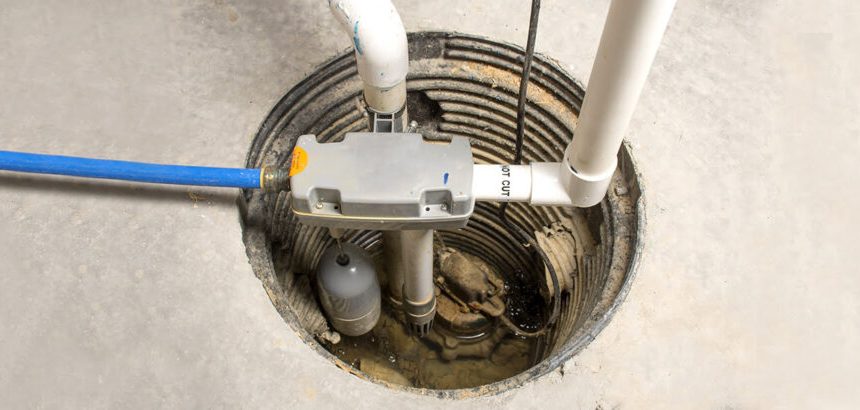
Table of Contents
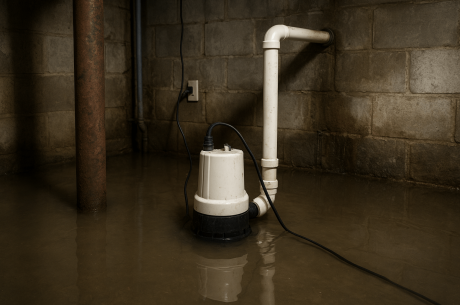
If your sump pump fails and your basement floods, you’re not alone — and it’s one of the most common issues homeowners face after heavy rain or power outages. A sump pump basement flooding situation can escalate fast, leading to water damage, mold growth, and expensive repairs if not handled promptly and professionally.
Understanding How Sump Pumps Protect Your Home
A sump pump is a vital part of your home’s waterproofing system. It sits in a sump pit at the lowest point of your basement, where it collects excess groundwater and pumps it away from your foundation. When working correctly, it prevents flooding and keeps your basement dry year-round.
However, when your sump pump fails, water can rise quickly — often without warning — and seep into floors, walls, and stored belongings. That’s why regular inspection and maintenance are key to protecting your property and avoiding severe water damage.
Why Sump Pumps Fail
There are several reasons your sump pump might fail when you need it most. Some of the most common include:
- ⚡ Power outages during storms that shut down the pump completely.
- 🧊 Frozen or clogged discharge lines that block water flow.
- 🛠️ Pump burnout from age, overuse, or lack of maintenance.
- 💧 Float switch malfunctions that prevent the pump from turning on.
- ⚙️ Improper installation that limits pump capacity or drainage.
If you experience sump pump failure, the best course of action is to call a professional restoration company immediately — like PuroClean of Ann Arbor — to assess the damage and begin safe water extraction.
When the Sump Pump Stops Working and the Basement Floods
If your sump pump is not working and your basement is flooded, here’s what to do immediately:
- Turn off electricity to the affected area — water and electricity are a dangerous mix.
- Avoid contact with standing water, especially if it’s near outlets or electrical equipment.
- Document the damage with photos and videos for insurance purposes.
- Call a certified water restoration expert such as PuroClean of Ann Arbor.
- Begin cleanup and drying quickly — the longer water sits, the greater the risk of mold and structural damage.
Delaying action can increase your restoration costs dramatically, and mold can begin growing within 24–48 hours after flooding.
Does Insurance Cover Sump Pump Failure?
Many homeowners wonder whether sump pump failed basement flooded insurance claims are covered. In most cases, standard homeowners insurance does not cover sump pump failure or water that backs up through drains or sewers.
To be protected, you’ll need an optional sump pump rider or sewer backup endorsement added to your policy. These coverages can reimburse you for water damage repairs, cleanup, and even property replacement.
You can learn more about these options from reputable sources like:
- Insurance Information Institute (III) – Water Damage and Insurance
- FEMA – Flood Insurance Information
If your basement is flooded and you’re not sure what’s covered, contact your insurance agent immediately for clarification.
Preventing Future Sump Pump Failures
Prevention is always cheaper than restoration. Follow these proactive steps to reduce the risk of sump pump basement flooding:
- Test your pump monthly — pour water into the sump pit to make sure it activates automatically.
- Install a battery or water-powered backup pump for storm-related outages.
- Clean the sump pit and remove debris that could clog the system.
- Inspect discharge lines regularly, especially before winter.
- Schedule an annual professional inspection for full peace of mind.
If your home has a history of basement flooding, consider installing a secondary pump or smart sump pump system that can alert you to failures in real time.
Professional Help for Sump Pump Flooding
Whether your sump pump failed during a storm or you’re dealing with lingering water damage, the experts at PuroClean of Ann Arbor can help. Our technicians are trained and equipped to:
- Remove standing water
- Dry and dehumidify your basement
- Clean and sanitize affected areas
- Prevent mold growth and structural damage
Visit our related post on Basement Flood Cleanup Near Me to learn more about how professional restoration works and what to expect during cleanup.
Final Thoughts
A sump pump basement flooding incident can turn your safe space into a major headache — but it doesn’t have to be catastrophic. Acting fast, knowing what’s covered by your insurance, and performing regular maintenance can save you time, money, and stress.
If you’re facing a flooded basement or need expert guidance on preventing sump pump failure, contact PuroClean of Ann Arbor today. We’re the trusted local choice for flood cleanup, water damage restoration, and property recovery — available 24/7 to bring your home back to normal.
Frequently Asked Questions About Sump Pump Basement Flooding
1. What should I do first if my sump pump fails?
Turn off the power in the affected area, stay out of the water, and contact a restoration professional right away. Quick response minimizes damage and reduces mold risk.
2. Can I fix a sump pump failure myself?
Minor issues like clogged discharge lines may be handled safely by homeowners, but mechanical or electrical failures should be inspected by a certified technician.
3. How can I tell if my sump pump is going bad?
Warning signs include loud noises, frequent cycling, rust, or a pump that doesn’t turn on automatically during heavy rain.
4. Is sump pump failure covered by homeowners insurance?
Standard homeowners insurance typically doesn’t cover this type of flooding. You’ll need an add-on like a sump pump rider or sewer backup endorsement for full protection.
5. How often should I test or replace my sump pump?
Test it monthly and replace it every 7–10 years, depending on usage and manufacturer recommendations.

 PuroClean of Ann Arbor