PuroClean of Ann Arbor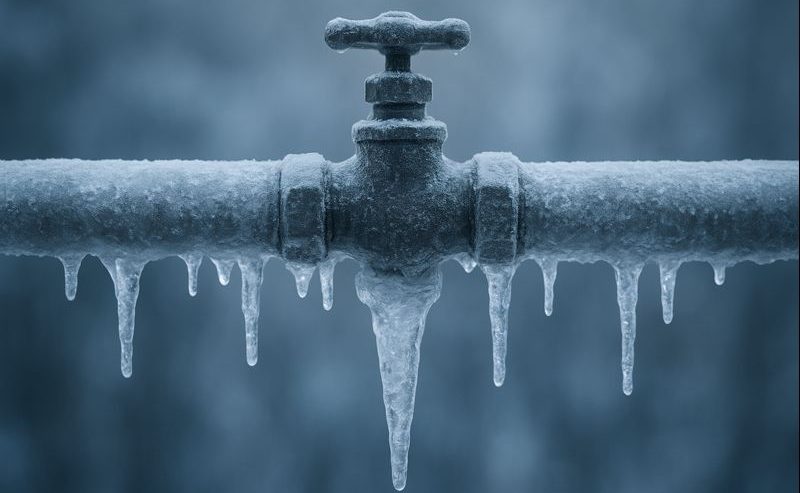
Table of Contents
Winter in Ann Arbor brings snow-covered streets, icy nights, and charming seasonal scenery—but it also brings a hidden threat to local homeowners: frozen pipes. Every winter, burst pipes cause extensive water damage in homes across Washtenaw County, often resulting in flooded basements, damaged walls, and long-term mold issues.
So why are Ann Arbor homes especially vulnerable to frozen pipes compared to other areas? The answer lies in a combination of climate conditions, housing characteristics, and common winter habits. Understanding these risks—and how to prevent them—can save homeowners thousands in repairs and restoration costs.
Ann Arbor’s Winter Climate Creates the Perfect Conditions for Frozen Pipes
Ann Arbor regularly experiences prolonged periods of freezing and sub-freezing temperatures throughout the winter months. Overnight lows often dip well below freezing for days or weeks at a time, which significantly increases the risk of water inside pipes turning to ice.
When water freezes, it expands. This expansion creates intense pressure inside pipes—especially copper, PVC, and older galvanized plumbing—eventually causing them to crack or burst. Once the ice thaws, water can flow freely into walls, floors, and basements, often before homeowners even realize there’s a problem.
Unlike regions with brief cold snaps, Ann Arbor’s sustained cold makes frozen pipes a recurring seasonal risk rather than a rare event.
Older Homes Are More Common in Ann Arbor
One of the biggest contributors to frozen pipe issues in Ann Arbor is the age of the housing stock. Many neighborhoods feature homes built decades ago, long before modern insulation standards were common.
Older homes often have:
- Pipes running through exterior walls
- Minimal or deteriorated insulation
- Unfinished basements or crawlspaces
- Plumbing located near foundation walls
These design factors make it much easier for cold air to reach pipes. Homes with updated interiors may still hide outdated plumbing behind walls, making the risk easy to overlook until damage occurs.
If you live in an older Ann Arbor home, reviewing winter plumbing risks is just as important as checking your furnace or roof.
Basements and Crawlspaces Increase Exposure
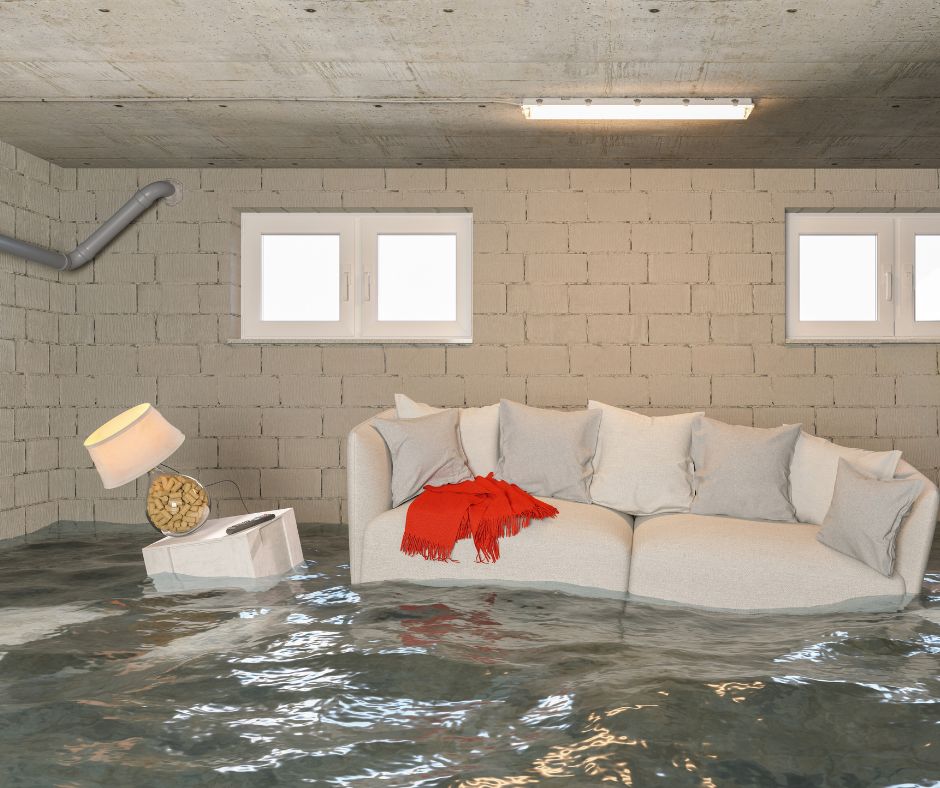
Basements are extremely common in Ann Arbor homes—and while they’re convenient for storage and living space, they’re also one of the most common locations for frozen and burst pipes.
Unheated or poorly insulated basements and crawlspaces allow cold air to circulate freely around plumbing. Pipes running along foundation walls are especially vulnerable, particularly during extreme cold spells.
Frozen pipes in basements often lead to widespread water damage. For more insight into how basement flooding occurs and how to respond, homeowners can explore PuroClean of Ann Arbor’s basement flood cleanup resources, which explain the risks and restoration process in detail.
Energy-Saving Habits Can Backfire in Winter
Many homeowners lower their thermostat at night or while traveling to save on heating costs. While energy efficiency is important, reducing indoor temperatures too much can unintentionally put pipes at risk.
When indoor temperatures drop, pipes located in exterior walls, cabinets, or unheated areas lose their heat source. This is especially risky in kitchens, bathrooms, and laundry rooms with plumbing along outside walls.
Vacation homes, rental properties, and unoccupied houses in Ann Arbor are particularly susceptible if heat is turned down too far during cold weather.
Common Pipe Locations That Freeze First
Knowing where frozen pipes typically occur can help homeowners take proactive steps. In Ann Arbor homes, frozen pipes are most commonly found in:
- Exterior-facing walls
- Under kitchen and bathroom sinks
- Basements and crawlspaces
- Unheated garages
- Attics with plumbing lines
- Outdoor hose bibs and sprinkler lines
Opening cabinet doors to allow warm air to circulate and insulating exposed pipes can significantly reduce risk in these areas.
How Frozen Pipes Lead to Water Damage and Mold
A frozen pipe doesn’t just stop water flow—it often leads to severe water damage once it bursts. Even a small crack can release gallons of water per hour, soaking drywall, flooring, insulation, and structural materials.
If not addressed quickly, moisture can remain trapped behind walls and under floors, creating ideal conditions for mold growth. This is why professional water damage restoration is so important after a burst pipe.
PuroClean of Ann Arbor uses advanced moisture detection tools to identify hidden water damage. Homeowners interested in how professionals find moisture behind walls can read How PuroClean Uses Advanced Moisture Meters to Detect Hidden Water Damage for a deeper look into the process.
How to Prevent Frozen Pipes in Ann Arbor Homes
Prevention is always less expensive—and less stressful—than cleanup. Here are practical steps Ann Arbor homeowners can take to protect their plumbing during winter:
Insulate Vulnerable Pipes
Add foam insulation sleeves or professional pipe wrap to exposed plumbing in basements, crawlspaces, and garages.
Seal Drafts and Air Leaks
Cold air entering through gaps in siding, foundations, or around windows can quickly freeze nearby pipes.
Keep a Consistent Indoor Temperature
Even when away, keep the thermostat set high enough to maintain warmth throughout the home.
Let Faucets Drip During Extreme Cold
Allowing a slow drip helps relieve pressure and keeps water moving through the pipes.
Disconnect Outdoor Hoses
Drain and shut off outdoor plumbing before freezing temperatures arrive.
Schedule a Professional Inspection
A restoration or plumbing professional can identify hidden vulnerabilities before winter damage occurs.
What to Do If a Pipe Freezes or Bursts
If you suspect a frozen pipe:
- Turn on the faucet to check for reduced or no water flow
- Apply gentle heat using a hair dryer or heating pad
- Never use open flames to thaw pipes
If a pipe bursts:
- Shut off the main water supply immediately
- Call a plumber
- Contact a professional water damage restoration company
Fast action can significantly reduce damage. Homeowners dealing with water damage should also document the situation carefully. PuroClean of Ann Arbor’s guide on How to Document Water Damage for Insurance Claims explains what photos, videos, and records insurers typically require.
Why Professional Restoration Matters After Frozen Pipe Damage
Even when water appears minimal, moisture can spread behind walls and beneath floors. Without proper drying, this hidden moisture can lead to structural damage and mold growth.
Professional restoration ensures:
- Complete water extraction
- Proper structural drying
- Moisture monitoring
- Mold prevention
If you’re unsure whether DIY cleanup is enough, DIY Water Damage Cleanup vs. Professional Restoration: Which Is Safer? explains when professional help is the smarter option.
Why PuroClean of Ann Arbor Is Prepared for Winter Pipe Emergencies
Frozen pipe emergencies require fast, knowledgeable response. PuroClean of Ann Arbor provides:
- 24/7 emergency water damage response
- Advanced moisture detection
- Professional drying and restoration
- Local expertise in Ann Arbor homes and weather conditions
When winter plumbing failures strike, having a trusted local restoration partner can make all the difference.
Frequently Asked Questions About Frozen Pipes in Ann Arbor
Why do pipes freeze even when it’s not extremely cold?
Pipes can freeze when exposed to prolonged cold, drafts, or poor insulation—even if outdoor temperatures aren’t dangerously low.
Are older Ann Arbor homes more at risk?
Yes. Older homes often have outdated insulation and plumbing layouts that make pipes more vulnerable.
Can frozen pipes cause mold?
Yes. Burst pipes release moisture that can lead to mold growth within 24–48 hours if not properly dried.
Should I call a restoration company if my pipe bursts?
Yes. Even small leaks can cause hidden damage. Professional drying prevents long-term issues.
Final Thoughts
Ann Arbor’s cold winters, older housing stock, and common basement layouts make frozen pipes a serious seasonal threat. With proper preparation and quick response, homeowners can avoid major damage—or minimize it when the unexpected happens.
If you’re concerned about frozen pipes or dealing with water damage this winter, PuroClean of Ann Arbor is ready to help with professional, local restoration services you can trust.

 PuroClean of Ann Arbor