


Table of Contents
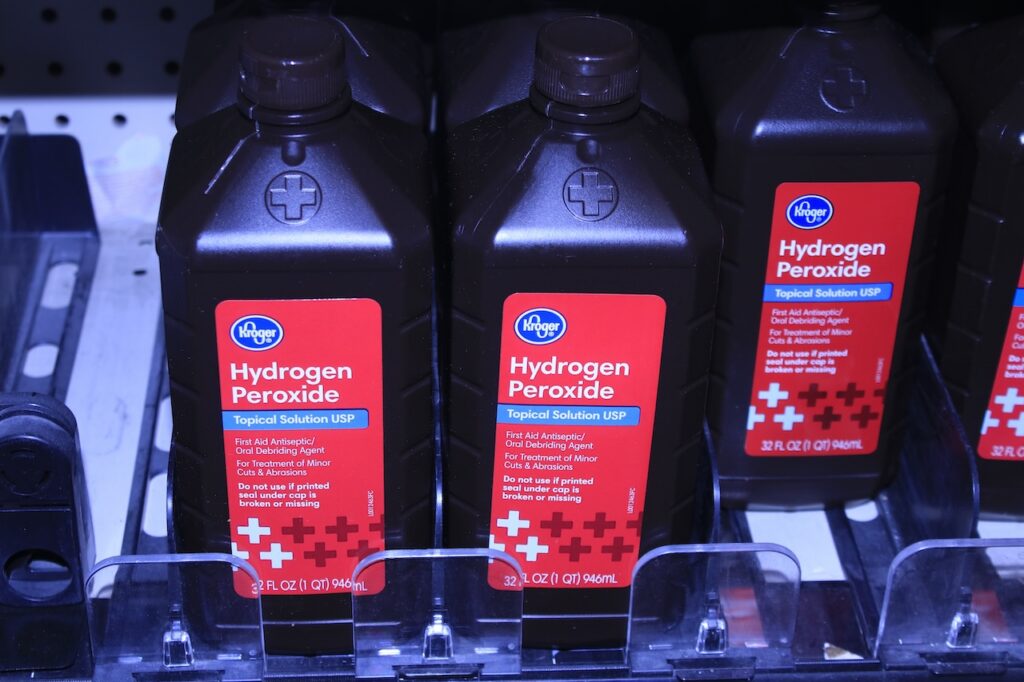
Homeowners often turn to hydrogen peroxide for a natural, effective cleaning solution. However, many wonder, does hydrogen peroxide damage grout? Hydrogen peroxide can be a powerful cleaning agent without harming grout when used correctly. However, understanding its effects and proper application is essential for preserving grout’s integrity over time.
Short answer: Hydrogen peroxide generally does not damage grout when used correctly and in moderation. However, overuse or improper application can weaken grout over time. This guide explains how to use hydrogen peroxide safely, when to avoid it, and what other grout cleaning options may work better for your home.
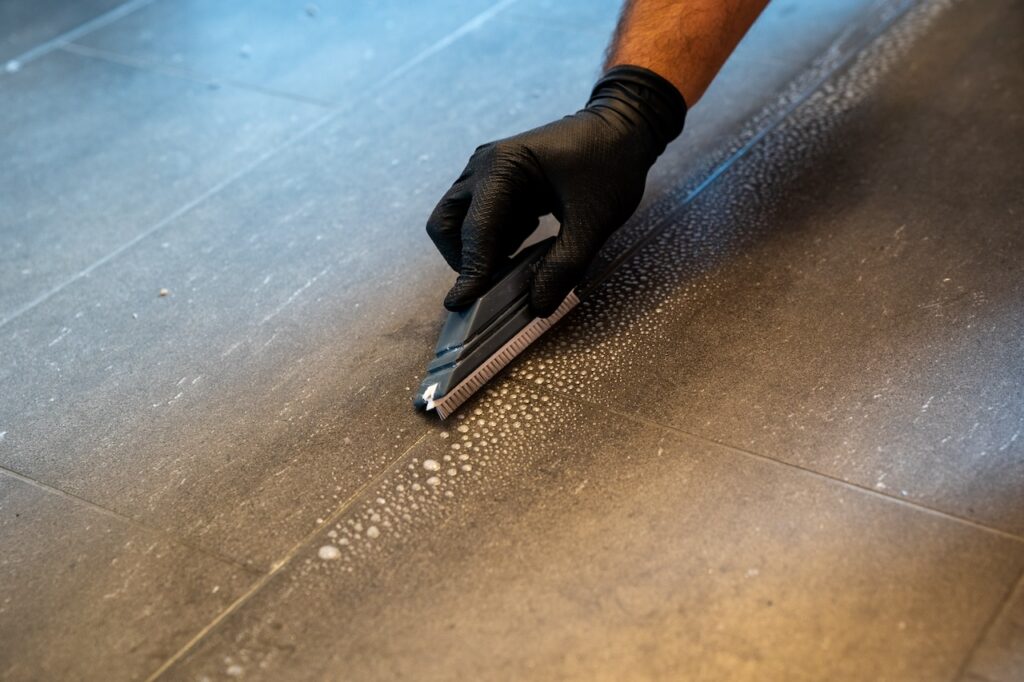
Soft-bristle brushes are efficient at cleaning grout without compromising its integrity.
Understanding How Hydrogen Peroxide Works on Grout
Hydrogen peroxide (H₂O₂) is a mild antiseptic and oxidizing agent that breaks down organic stains, mold, and bacteria. Its oxygen-based bleaching action makes it effective for brightening grout lines—especially in high-moisture areas like Atlanta bathrooms, kitchens, and tiled entryways.
When applied correctly, hydrogen peroxide:
- Lifts and dissolves deep-set stains: Breaks down grime, mold, and soap scum embedded in porous grout lines.
- Naturally disinfects surfaces: Its mild oxidizing action eliminates bacteria and mildew without releasing toxic fumes.
- Restores and brightens grout color: Oxygen bubbles loosen discoloration, helping dull grout lines regain their original tone.
- Neutralizes odors caused by moisture: Especially useful in humid Atlanta bathrooms and kitchens where mildew can thrive.
- Provides an eco-friendly cleaning option: Unlike harsh chemical cleaners, hydrogen peroxide is biodegradable and leaves no harmful residue.
However, because grout is porous, frequent or concentrated exposure can slowly weaken its structure—particularly in older or cracked grout joints.
Does Hydrogen Peroxide Damage Grout Over Time?
In moderate use, no, hydrogen peroxide will not damage your grout. But when used too often or at full strength, it can cause:
| Potential Effect | Why It Happens | How to Prevent It |
|---|---|---|
| Slight Brittleness | Repeated bleaching removes natural moisture in grout | Use diluted solution (1:1 ratio with water) |
| Discoloration | Overuse may lighten colored grout unevenly | Test a small section first |
| Surface Roughness | Excessive scrubbing or high concentration | Use a soft brush and rinse thoroughly |
For Atlanta homeowners dealing with humid conditions, it’s important to strike a balance between cleaning effectiveness and protecting grout integrity—especially in homes with older tiling or natural stone finishes.
Safe Way to Clean Grout with Hydrogen Peroxide
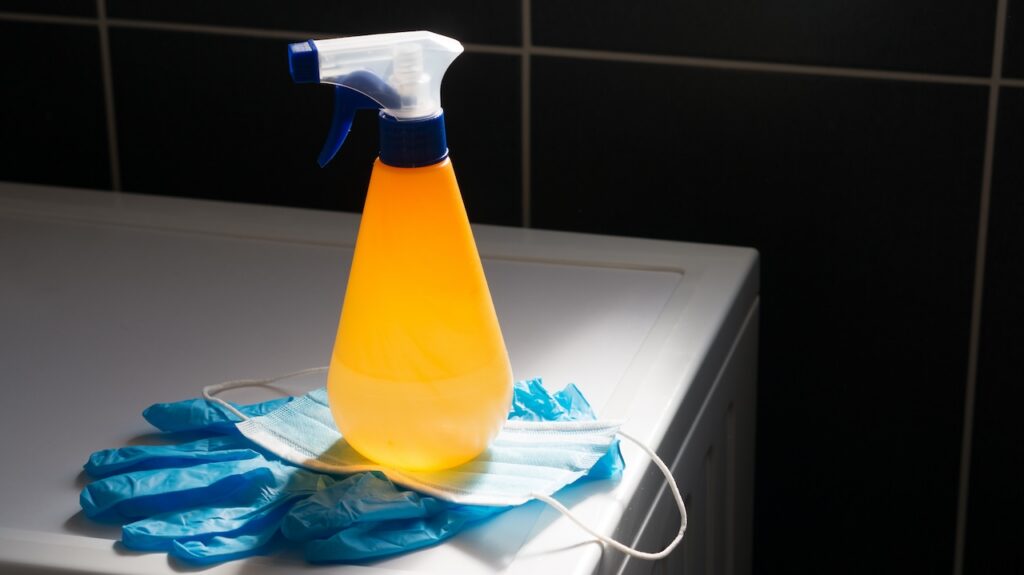
Diluting the hydrogen peroxide to a 1:1 ratio with water will ensure a safe but effective concentration.
Here’s a simple, proven method to clean grout safely while preventing long-term damage.
- Prepare the Cleaning Solution. Mix equal parts hydrogen peroxide (3%) and warm water in a spray bottle. This dilution is strong enough to clean but gentle on grout.
- Apply and Let It Sit. Spray the mixture directly on grout lines. Allow it to sit for 5–10 minutes to loosen dirt and kill bacteria.
- Gently Scrub the Grout. Use a soft-bristle brush or an old toothbrush. Avoid stiff or metal brushes, which can scratch or erode grout.
- Rinse with Warm Water. Rinse the area thoroughly to remove any residue. Wipe with a microfiber cloth or towel to dry the surface.
- Limit Deep Cleaning Frequency. Use this method once a month for deep cleaning. For weekly maintenance, switch to a pH-neutral floor cleaner.
Long-Term Grout Care Tips for Atlanta Homes
Humidity and frequent cleaning cycles in Atlanta’s warm climate can speed up grout wear. To extend your grout’s lifespan, consider these maintenance habits:
- Seal grout at least once a year: Sealing prevents dirt, moisture, and cleaning agents from penetrating porous grout.
- Wipe tiles and grout after showers or spills: Regular drying reduces mold and water stains in bathrooms and kitchens.
- Use pH-neutral cleaners weekly: These gentle formulas clean effectively without wearing away grout sealants.
- Avoid mixing cleaning agents: Never combine hydrogen peroxide with vinegar or ammonia, as chemical reactions can damage surfaces.
- Improve air circulation: Run exhaust fans or open windows in high-moisture areas to keep grout dry and prevent mildew growth.
- Schedule professional cleanings: Experts like PuroClean of Wolf Creek can restore grout color, reseal joints, and safely remove mold buildup from between tiles.
Local restoration experts like PuroClean of Wolf Creek can assess whether your grout is safe for peroxide use or if a deeper remediation process is needed—especially when mold growth or water damage are involved.
Alternatives and Precautions for Grout Cleaning
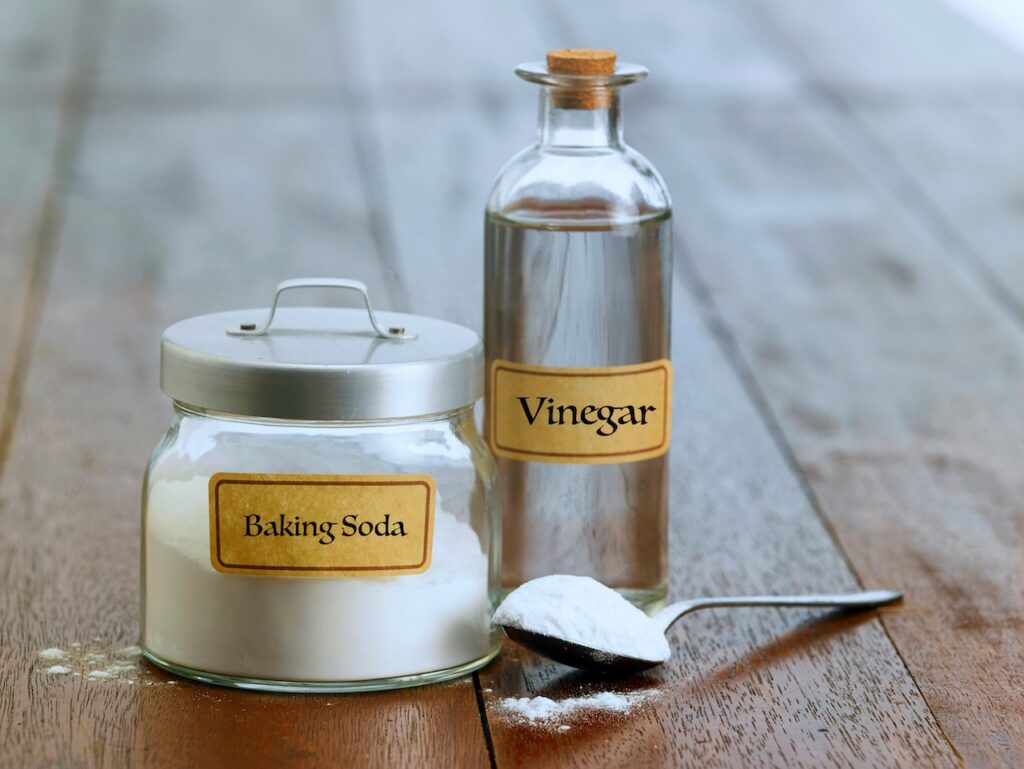
The EPA provides a number of safe but useful recipes for homemade cleaners.
If you’re concerned about using hydrogen peroxide, alternative cleaning options exist. These options work well on grout while being gentle enough for frequent use:
- Baking Soda and Water Paste: Baking soda is a mild abrasive that cleans grout without harsh chemicals. Apply the paste to grout lines and scrub gently.
- Vinegar and Water Mixture: Although vinegar is acidic, a diluted vinegar solution can be effective when used sparingly. Avoid frequent use, as acidic solutions can erode grout over time.
- Steam Cleaning: A steam cleaner can lift dirt and sanitize grout without chemicals. This is a good option for larger areas or routine cleaning.
Taking precautions with any cleaning method helps maintain grout in its best condition. If you choose hydrogen peroxide, follow the safe application tips to prevent long-term damage.
When to Avoid Hydrogen Peroxide on Grout
Even though hydrogen peroxide is generally safe, avoid using it in the following situations:
- Colored or tinted grout lines: Hydrogen peroxide’s bleaching power can unevenly fade darker pigments.
- Natural stone surfaces (marble, limestone, travertine): The oxidizing reaction can dull or etch stone tiles.
- Cracked, loose, or unsealed grout: Cleaning agents may seep under tiles and cause structural damage or mold beneath the surface.
- Recently installed grout: Fresh grout (less than 7 days old) is still curing and may absorb too much liquid.
- After using acidic cleaners: Mixing hydrogen peroxide with acids like vinegar can create unwanted chemical reactions.
When in doubt, test hydrogen peroxide on a hidden section before applying it to the full surface.
Professional Grout Cleaning Services in Atlanta, GA
If your grout looks discolored, moldy, or fragile even after home cleaning, it may be time for professional help. PuroClean of Wolf Creek, GA, provides grout cleaning, mold remediation, and water damage restoration services designed to restore your tile surfaces safely.
Our certified technicians use non-acidic, eco-friendly cleaning solutions and steam extraction equipment that deep clean grout without weakening it. Whether your problem is mildew buildup, old grout discoloration, or mold between tiles, our local experts can restore a fresh, sanitary finish.
Call PuroClean of Wolf Creek at (800) 775-7876 or visit our website to schedule a professional cleaning service.
Frequently Asked Questions
1. Does hydrogen peroxide damage grout if used often? Frequent use can make grout brittle over time. Stick to once-a-month cleaning and use a diluted solution to protect grout.
2. Is hydrogen peroxide safe for colored grout? It can fade or lighten colored grout. Always test a small hidden area first before full application.
3. Can hydrogen peroxide remove mold from grout? Yes. Its oxidizing properties kill mold spores and lift stains effectively—especially in humid environments like Atlanta bathrooms.
4. What is the best concentration of hydrogen peroxide for grout cleaning? Use 3% hydrogen peroxide, diluted 1:1 with water. Stronger concentrations are unnecessary and can harm grout.
5. What are the best alternatives to hydrogen peroxide for grout? Baking soda paste or steam cleaning are gentle and safe alternatives for regular maintenance.
Quick Summary
- Hydrogen peroxide is safe for grout when diluted (1:1 ratio).
- Avoid overuse to prevent grout brittleness.
- Works great for mold and stain removal in humid Atlanta homes.
- Alternatives include baking soda paste and steam cleaning.
- Professional services can restore heavily soiled or aged grout safely.