


Table of Contents
Rain leakage can quickly turn from a small nuisance into a serious problem. Even minor water intrusion can lead to structural damage, mold growth, and costly repairs if not addressed immediately. The key is to stop the source, dry affected areas fast, and take preventive steps to protect your home long-term. In Wolf Creek, GA, PuroClean helps homeowners manage leaks early and provides professional water damage restoration when needed.
What Is Rain Leakage?
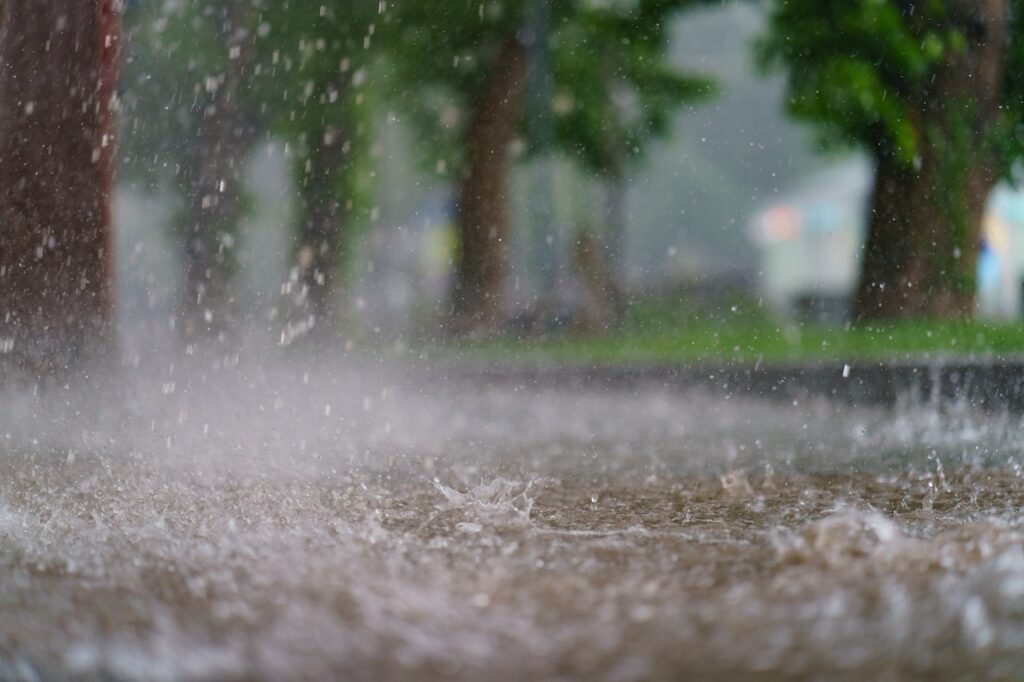
Rain leakage refers to water entering your home through the roof, walls, windows, or foundation during or after rainfall. It often starts small but can spread into hidden areas like insulation, ceilings, and subfloors.
Common causes of rainwater intrusion:
- Damaged or missing roof shingles
- Clogged or overflowing gutters
- Cracked exterior walls or siding
- Poorly sealed windows and doors
Even small entry points can allow water to travel and cause widespread damage.
The Real Dangers of Rain Leakage
1. Structural Damage
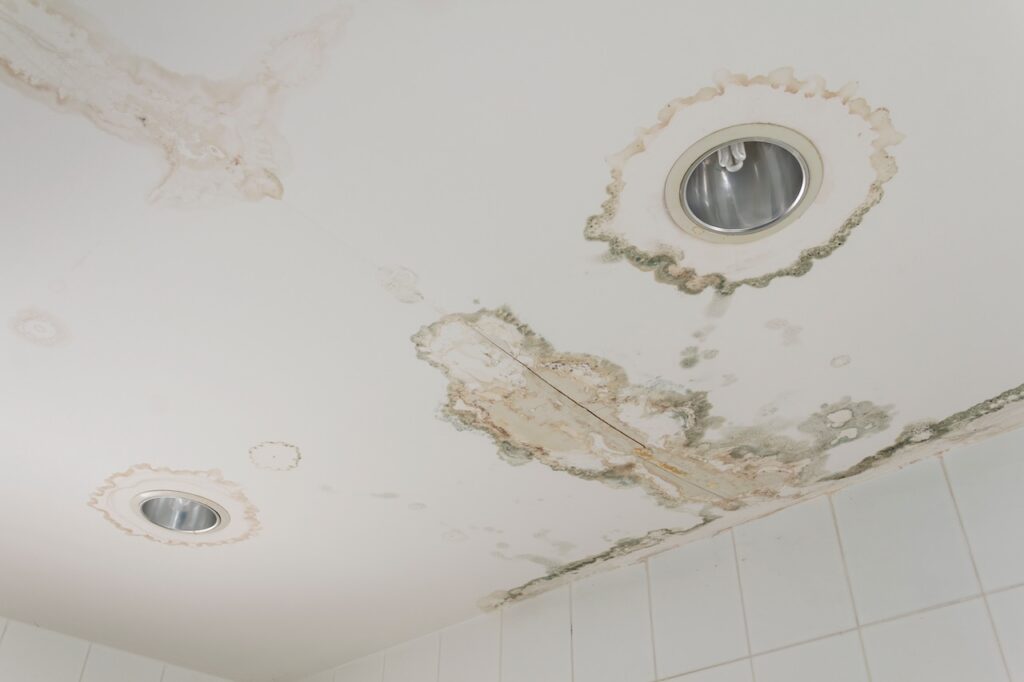
Water weakens building materials over time. Wood can rot, drywall can deteriorate, and foundations can shift.
- Warped floors and ceilings
- Cracks in walls or foundation
- Long-term structural instability
Left untreated, these issues can require major repairs.
2. Mold and Mildew Growth
Moisture creates the perfect conditions for mold to grow within 24–48 hours.
- Spreads behind walls and under flooring
- Impacts indoor air quality
- Can cause respiratory issues and allergies
This is why moisture intrusion problems should never be ignored.
3. Electrical Hazards
Water and electricity are a dangerous combination.
- Short circuits
- Fire risks
- Damage to appliances and wiring
Leaks near outlets or panels should be addressed immediately by professionals.
4. Higher Energy Costs
Wet insulation loses its effectiveness, forcing HVAC systems to work harder.
- Increased heating and cooling costs
- Reduced indoor comfort
- Long-term inefficiency
How to Prevent Rain Leakage in Your Home
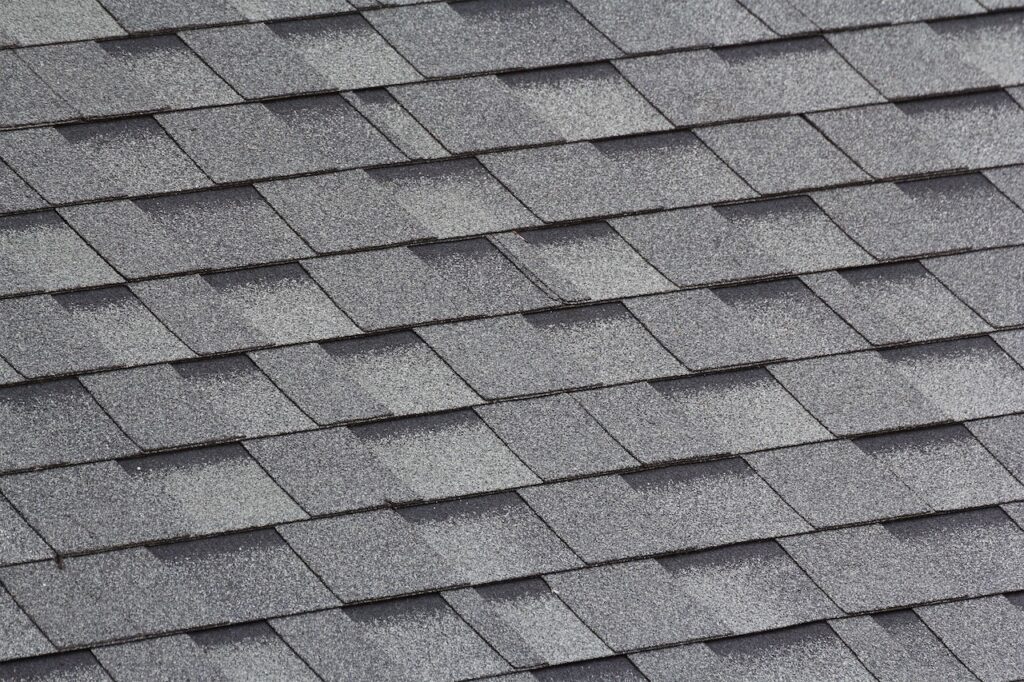
Preventing rainwater intrusion is more cost-effective than repairing damage. Regular roof maintenance is one of the most important steps, as damaged or missing shingles can quickly allow water inside. It’s also important to check flashing around vents and chimneys, since these areas are common entry points for leaks.
Keeping gutters and downspouts clear plays a major role in preventing water buildup. When gutters are clogged with leaves or debris, rainwater can overflow and seep into the roofline or foundation. Proper drainage should always direct water away from your home.
Sealing windows and doors helps block smaller entry points where water can sneak in. Applying weatherproof caulking and fixing any visible cracks or gaps can significantly reduce the risk of moisture intrusion. In addition, waterproofing exterior surfaces—such as walls, siding, or masonry—adds another layer of protection against heavy rain.
Improving drainage around your home is equally important. The ground should slope away from the foundation to prevent water from pooling, and in some cases, installing a drainage system may be necessary to manage excess water effectively.
Prevention vs. Repair: What’s the Difference?
| Factor | Prevention | After Damage |
|---|---|---|
| Cost | Low to moderate | Often high |
| Risk level | Minimal | Significant |
| Time required | Routine maintenance | Emergency response |
| Mold risk | Low | High |
| Structural impact | Prevented | Possible damage |
Preventing rain leakage is always more efficient than dealing with full restoration.
What to Do If Rain Leakage Happens
If rain leakage occurs, acting quickly is critical to minimizing damage and preventing mold growth. The first step is to stop the water at its source by identifying where it is entering and applying a temporary fix if possible.
Once the leak is contained, removing any standing water should be the priority. This can be done using towels, mops, or a wet vacuum, depending on the severity of the issue. After that, the affected area needs to be dried thoroughly. Using fans, dehumidifiers, and increasing airflow by opening windows can help speed up the drying process.
It’s also important to check for hidden moisture in areas such as walls, insulation, and flooring, as water can spread beyond what is immediately visible. If the damage is extensive or difficult to assess, professional help is recommended. Severe cases often require expert water damage restoration to ensure the property is fully dried and safe.
Why Professional Water Damage Restoration Matters
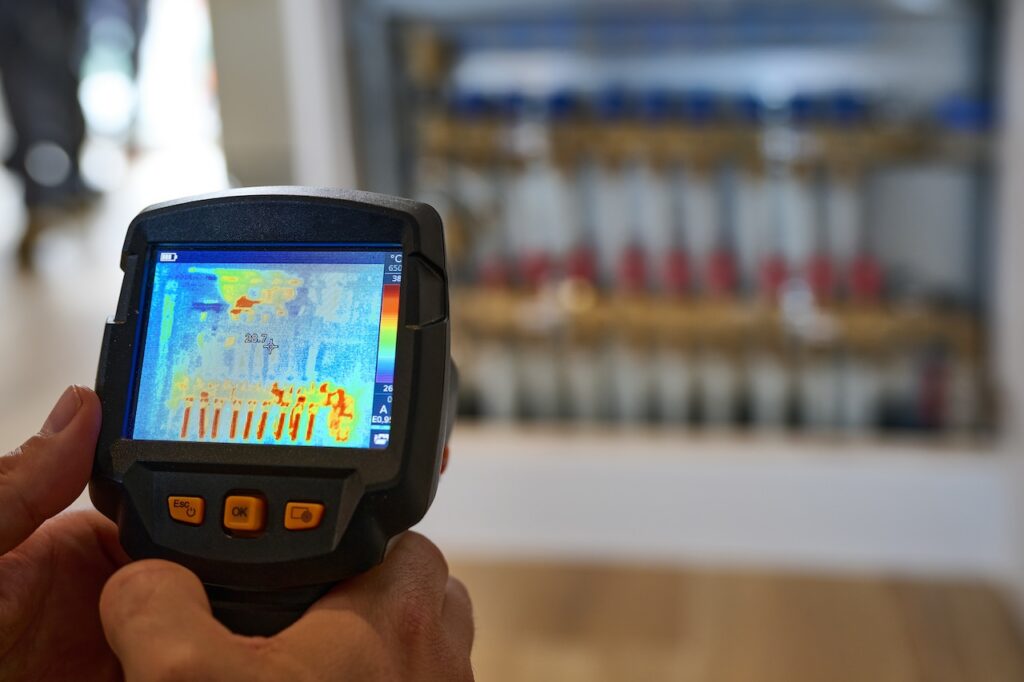
DIY drying is often not enough. Moisture can remain trapped in hidden areas, leading to future problems.
Benefits of professional restoration:
- Advanced moisture detection tools
- Industrial drying equipment
- Mold prevention and remediation
- Safe and complete property restoration
PuroClean provides reliable water damage restoration services in Wolf Creek, GA to ensure your home is fully protected.
Frequently Asked Questions
How do I know if I have rain leakage?
Look for water stains, musty odors, peeling paint, or damp areas after rainfall. These are common signs of rainwater intrusion.
Can rain leakage cause mold?
Yes. Mold can begin growing within 24–48 hours in damp conditions, especially in hidden areas.
Is rain leakage covered by insurance?
It depends on the cause. Sudden damage may be covered, but lack of maintenance often is not. Always check your policy.
How quickly should I act after a leak?
Immediately. The faster you dry and address the issue, the lower the risk of structural damage and mold.
Do I need professional help for small leaks?
Even small leaks can spread behind walls. If you’re unsure, a professional inspection is recommended.
Get Expert Help in Wolf Creek, GA
If your home is affected by rain leakage, acting fast can prevent serious damage. PuroClean offers expert inspections, moisture control, and water damage restoration services in Wolf Creek, GA.
Contact PuroClean today at (404) 682-5400 to protect your home and restore a safe, dry environment.
Key Takeaways
- Rain leakage can cause structural damage, mold, and electrical risks
- Small leaks can lead to major problems if ignored
- Prevention includes roof maintenance, sealing, and proper drainage
- Quick action reduces damage and restoration costs
- Mold can develop within 24–48 hours after water exposure
- Professional water damage restoration ensures complete drying
- PuroClean helps homeowners in Wolf Creek, GA stay protected