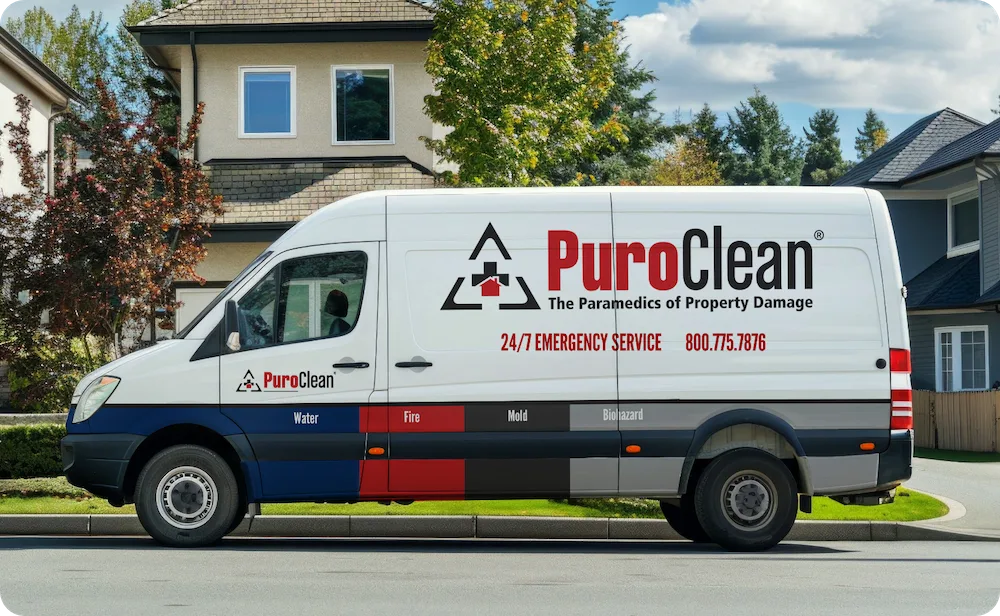
Professional water damage mitigation and restoration services to help restore your home after unexpected water intrusion.
PuroClean of Auburn provides emergency water mitigation and structural drying with moisture mapping, material-specific drying targets, and documented verification readings before the job is closed. We extract water, set up dehumidification/airflow based on measured conditions, monitor daily, and package documentation that supports insurance and confirms the home is truly dry.
Drying isn’t “done” when a room looks dry—professional water damage restoration is measured, verified, and documented. Hidden moisture can remain inside drywall, under flooring, and in framing even after the obvious water is gone. That’s why PuroClean of Auburn approaches water losses with moisture mapping, material-specific drying goals, and repeat readings that show real progress before equipment is removed. From the first visit, you can expect a calm, structured plan: we identify the water source, check for safety issues, document conditions for your claim, extract water, and set up dehumidification and airflow based on the class of loss and the materials involved. Then we monitor daily, adjust equipment as readings change, and provide a clear “drying complete” closeout with recorded moisture results. In Alabama’s humidity, it’s common for surface materials to feel dry while moisture lingers in dense assemblies. Verified drying helps prevent avoidable mold growth, odors, and costly rework later. If you’re dealing with a burst pipe, overflow, roof leak, or storm intrusion, we’ll help you understand what’s wet, what needs drying, and what happens next—without guesswork.
1: Stop the water at the source if you can do so safely (shut off a supply valve or the main).
2: If water is near outlets, appliances, or the electrical panel, avoid those areas and consider shutting off power to affected rooms—only if you can do it safely.
3: Take quick photos/video of the source and affected rooms before moving items.
4: Remove small valuables from wet areas and place aluminum foil or wood blocks under furniture legs to reduce staining (don’t drag heavy items across wet floors).
5: Call PuroClean of Auburn at (334) 539-3200 for an inspection and moisture mapping. If you’re filing a claim, have your carrier name and claim number (if available) ready—we can align documentation from the first visit to support the process.
We inspect the source and affected materials, then build a moisture map using non-invasive meters, penetrating readings where appropriate, and thermal imaging to locate wet assemblies. We classify the loss (clean/gray/black water) and drying complexity (Class 1–4) so expectations match reality.
What Our Customers Say:
Moisture often hides where you can’t see it—behind drywall, under tile, beneath engineered wood, and inside insulated cavities. If drying isn’t verified with readings, those hidden pockets can feed later mold growth, persistent odor, and slow wood decay, even though the room “looked fine” at the time. In Alabama, a common pattern we see is moisture trapped under engineered flooring and in the subfloor: the top layer may feel dry within a day, but the subfloor stays above drying standard because humidity slows evaporation. Another frequent issue is dampness lingering at the drywall-to-slab edge, where concrete and framing can hold moisture longer than expected. Verified drying means checking those assemblies repeatedly and documenting when they actually reach target moisture levels—work that also helps protect your claim if questions come up later.
Insurance questions come up fast after a water loss, and the best time to document is before materials are disturbed. We help by photographing damage, recording moisture readings, and providing a clear drying log that shows what was wet, what was done, and when targets were met. To start, you’ll want: your carrier name, policyholder info, date/time of loss, and any claim number already issued. Keep a simple list of affected rooms and damaged personal items (brand/model photos help). If an adjuster is involved, we can share our moisture map, equipment records, and notes that explain why certain materials were dried, removed, or treated. Coverage varies by cause (sudden pipe break vs. long-term seepage; clean vs. contaminated water). Our role is to document the conditions and the work performed so the claim decision is based on clear, consistent information.
If you’re dealing with water damage, start with an inspection that confirms what’s wet and what it will take to dry it correctly. Call PuroClean of Auburn at (334) 539-3200 to schedule moisture mapping and a drying plan. We’ll track progress with documented readings and close the job with a verification package that shows materials met drying targets—so you’re not relying on “it looks dry.”
Find answers to common questions about our services
The reliable way is measurement, not appearance. We use moisture meters to compare affected areas to an unaffected “dry standard” in your home, and we map readings across walls, baseboards, and adjacent rooms. If readings stay elevated or don’t trend down with drying, moisture is still present and the drying plan needs adjustment.
Yes. Water can travel behind baseboards, under flooring, or down inside wall cavities and wet insulation without obvious staining. Musty odor, slight warping, or a persistent humid feeling can be clues, but instruments are what confirm hidden moisture.
We commonly use non-invasive moisture meters for scanning, penetrating meters for confirmatory readings, and thermal imaging to identify temperature patterns consistent with evaporation and wet materials. In some situations, small inspection openings are the safest way to confirm conditions inside a cavity before deciding on drying vs. removal.
Mitigation is stopping further damage: extraction, drying, dehumidification, and any necessary removal of unsalvageable materials. Restoration is returning affected areas to a safe, clean condition and verifying dryness. Reconstruction is the rebuild phase—replacing drywall, flooring, cabinets, and finishes after mitigation is complete and documented.
Many residential drying jobs take about 3–5 days, but timing depends on how much water, what materials are wet, and whether moisture is trapped (Class 3–4 losses can take longer). If drying extends, we don’t “wait it out”—we re-check for hidden reservoirs, adjust equipment, and confirm that readings are continuing to trend toward the target.
Often, coverage depends on the cause and duration of the water (sudden and accidental events are commonly covered; long-term seepage may not be). We support the claim by documenting the source conditions, moisture readings, and the drying/mitigation work performed so your adjuster has clear, consistent information to review.
Yes—while this page focuses on homeowner needs, our team can also perform inspection, extraction, structural drying, and documented moisture verification for commercial properties when a water loss occurs.
The reliable way is measurement, not appearance. We use moisture meters to compare affected areas to an unaffected “dry standard” in your home, and we map readings across walls, baseboards, and adjacent rooms. If readings stay elevated or don’t trend down with drying, moisture is still present and the drying plan needs adjustment.
Yes. Water can travel behind baseboards, under flooring, or down inside wall cavities and wet insulation without obvious staining. Musty odor, slight warping, or a persistent humid feeling can be clues, but instruments are what confirm hidden moisture.
We commonly use non-invasive moisture meters for scanning, penetrating meters for confirmatory readings, and thermal imaging to identify temperature patterns consistent with evaporation and wet materials. In some situations, small inspection openings are the safest way to confirm conditions inside a cavity before deciding on drying vs. removal.
Mitigation is stopping further damage: extraction, drying, dehumidification, and any necessary removal of unsalvageable materials. Restoration is returning affected areas to a safe, clean condition and verifying dryness. Reconstruction is the rebuild phase—replacing drywall, flooring, cabinets, and finishes after mitigation is complete and documented.
Many residential drying jobs take about 3–5 days, but timing depends on how much water, what materials are wet, and whether moisture is trapped (Class 3–4 losses can take longer). If drying extends, we don’t “wait it out”—we re-check for hidden reservoirs, adjust equipment, and confirm that readings are continuing to trend toward the target.
Often, coverage depends on the cause and duration of the water (sudden and accidental events are commonly covered; long-term seepage may not be). We support the claim by documenting the source conditions, moisture readings, and the drying/mitigation work performed so your adjuster has clear, consistent information to review.
Yes—while this page focuses on homeowner needs, our team can also perform inspection, extraction, structural drying, and documented moisture verification for commercial properties when a water loss occurs.
Trained and Certified Restoration Professionals
Our residential water damage restoration team is trained, certified, and experienced in responding to a wide range of water damage situations. Many technicians hold IICRC certifications, and we follow industry standards and proven restoration practices to support safe and effective recovery.
Water damage is stressful enough without confusion. Our team works with insurance providers to help document damage and support the claims process, keeping homeowners informed throughout each stage of restoration.
Some types of water damage require immediate attention. Our team is available 24/7 to respond to residential water damage emergencies when time matters most.
Water damage can result from unexpected leaks, flooding from storms, plumbing failures, or appliance malfunctions. Our certified teams focus on rapid water removal, drying, and stabilization to help prevent further damage and mold growth.
 Explore Our Water Damage Mitigation Services
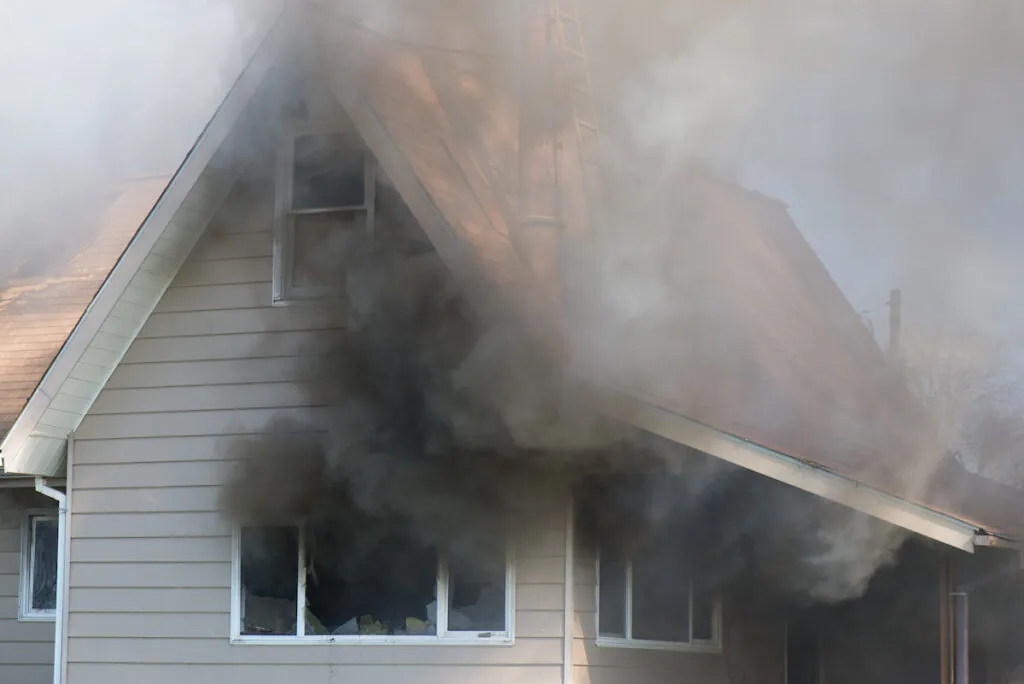
Even after a fire is extinguished, smoke, soot, and odor can continue to affect your home. Fire damage restoration services address visible damage while also helping reduce lingering effects that impact indoor air quality and surfaces.
Explore Our Fire and Smoke Damage Restoration Services
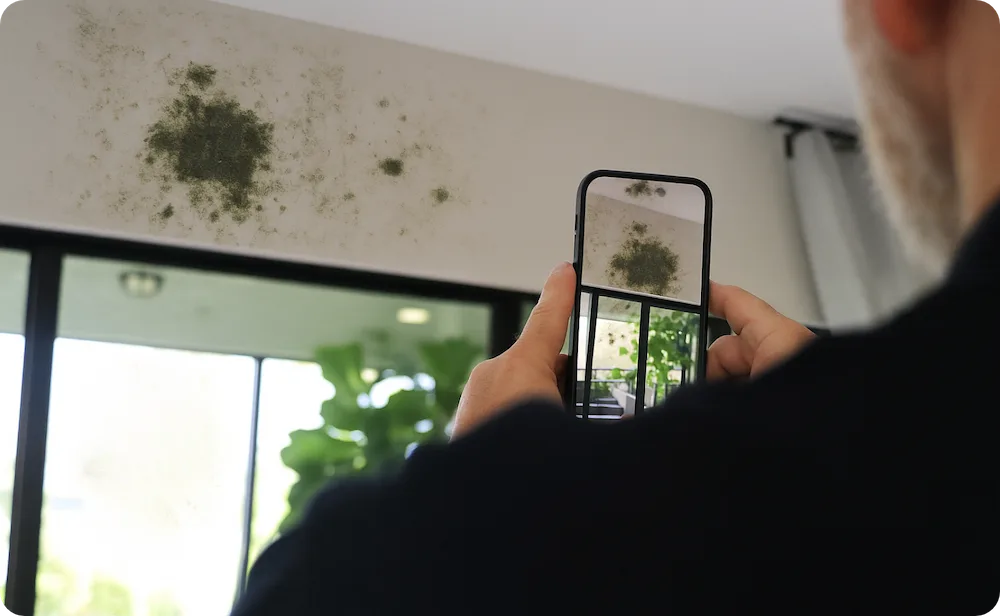
Mold often develops as a result of unresolved moisture or hidden water damage. Professional mold remediation helps identify affected areas, contain growth, and restore healthy indoor conditions.
Explore Our Mold Removal and Remediation Services
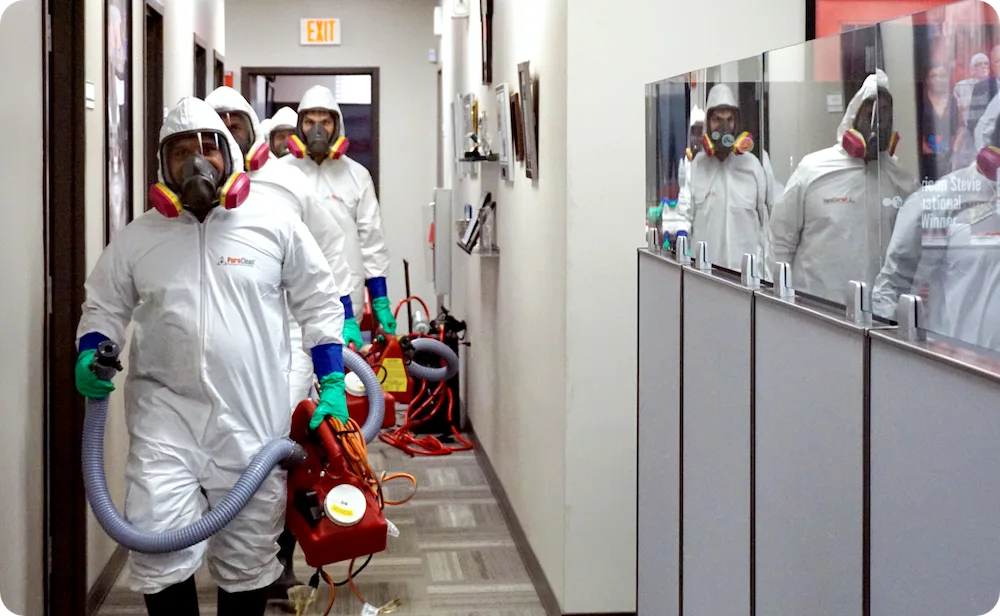
Biohazard situations, including crime scene cleanup and virus decontamination, require specialized cleaning and handling to protect health and safety. Biohazard cleanup services address contamination using proper protocols and professional care.
Explore Our Biohazard Cleanup Services
In some cases, property damage requires repairs beyond cleanup and mitigation. Reconstruction services help restore damaged areas of the home after water, fire, or other incidents, supporting a smoother transition from damage to recovery.
Explore Our Reconstruction Services Services
PuroClean provides 24/7 commercial property damage restoration services for businesses and facilities across the United States.
Explore Our Commercial Services
Water damage can result from unexpected leaks, flooding from storms, plumbing failures, or appliance malfunctions. Our certified teams focus on rapid water removal, drying, and stabilization to help prevent further damage and mold growth.
Explore Our Water Damage Mitigation Services


PuroClean of Auburn
(334) 539-3200
2638 Indian Hill Road, Auburn, AL 36830

© 2026 PuroClean. All Rights Reserved.