 PuroClean of Auburn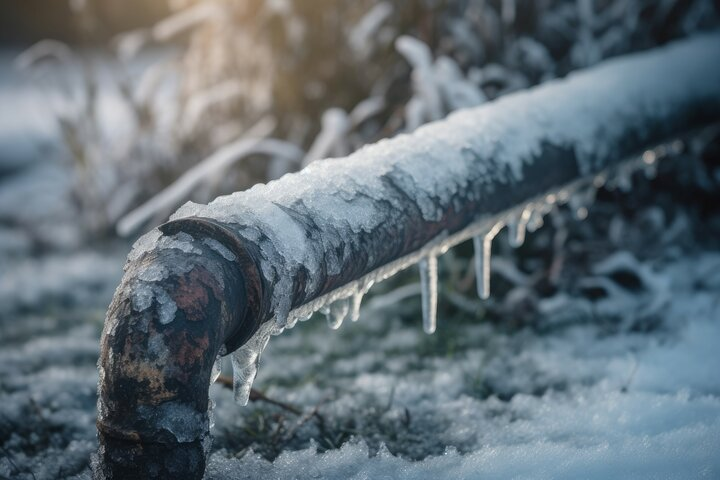
Maine winters are tough, and water damage is tricky. When temperatures plunge well below freezing—as they often do in Auburn—your plumbing system becomes vulnerable. Pipes in basements, crawl spaces, attics, and unheated rooms can freeze quickly. And when water inside a pipe freezes, it expands, increasing pressure until the pipe cracks or bursts.
When that happens, water rushes out at full pressure, flooding walls, floors, and ceilings within minutes. Even a small crack can release hundreds of gallons of water in a short amount of time.
How to prevent frozen pipe damage:
- Insulate exposed pipes
- Keep cabinet doors open during extreme cold
- Maintain indoor temperatures above 55°F
- Let faucets drip during deep freezes
A few simple steps can save you from thousands of dollars in water damage restoration costs.
Roof Leaks and Ice Dams: A Winter Hazard
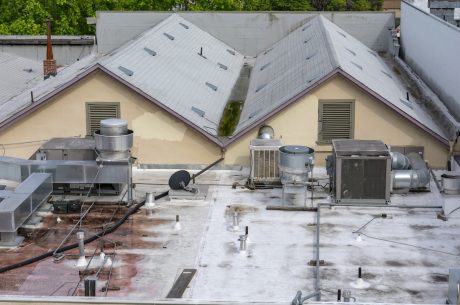
Your roof is your home’s first line of defense—but Auburn winters challenge it constantly. Snow accumulation, fluctuating temperatures, and ice dams put pressure on shingles and gutters. Over time, small vulnerabilities like cracked flashing or lifted shingles can allow melted snow to seep inside.
Once water enters the attic, it can travel across beams and insulation, staining ceilings, encouraging mold growth, and compromising the structure.
Preventative tips:
- Clear gutters before winter
- Ensure proper attic ventilation
- Remove snow buildup when possible
- Schedule regular roofing inspections
Addressing minor roof issues early is far less expensive than repairing a moisture-damaged attic.
Basement Flooding: A Common Issue in Auburn
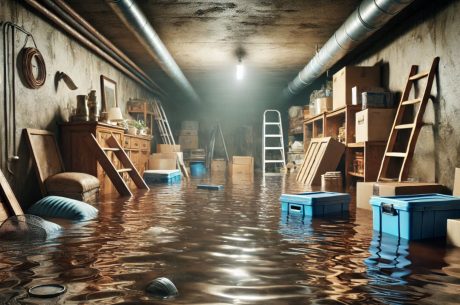
Basement flooding is a frequent problem—especially during spring thaw or after heavy rainfall. Auburn’s soil composition, older foundations, and long winters contribute to moisture buildup around basements.
Flooding often results from:
- Foundation cracks
- Hydrostatic pressure
- Failed sump pumps
- Poor exterior drainage
- Rapid snowmelt
Even a few inches of water can destroy carpeting, drywall, and personal belongings. And once a basement floods, mold can begin forming within 24–48 hours.
How to reduce basement flooding risk:
- Install a sump pump with battery backup
- Seal foundation cracks as soon as they appear
- Direct downspouts away from the home
- Ensure the soil slopes away from the foundation
Aging Plumbing and Hidden Leaks
Many Auburn homes were built decades ago, which means older plumbing systems are still in place. Over time, pipes become cracked, corroded, or loose. These issues often start with small drips that go unnoticed for months or years—until you discover mold, wall damage, or buckled flooring.
Watch for:
- Unexplained moisture
- Soft drywall
- Musty odors
- Fluctuating water pressure
Routine plumbing inspections are an excellent way to prevent unseen damage.
Appliance Leaks: Small Problems With Big Consequences
Appliance-related water damage is more common than most homeowners realize. Water heaters, washing machines, dishwashers, and refrigerators can fail unexpectedly, releasing water onto floors for hours before anyone notices.
Rubber hoses wear down, connectors loosen, and aging systems simply reach the end of their lifespan.
Smart prevention:
- Replace washing machine hoses every 3–5 years
- Inspect water heater tanks annually
- Check refrigerator and dishwasher lines regularly
A few minutes of maintenance can prevent a major cleanup.
Conclusion
Water damage in Auburn is often preventable when homeowners understand the risks. Frozen pipes, roof leaks, basement flooding, and appliance failures are the most common culprits—but with proactive care and early intervention, you can significantly reduce the chances of costly repairs.
And when water damage does strike, fast professional help is critical. A trained restoration team ensures complete drying, mold prevention, and repair, protecting both your home and your investment.
External Sources
- National Weather Service Climate Data: https://www.weather.gov
- CDC Mold Guidelines: https://www.cdc.gov/mold
- Ready.gov Winter Weather Tips: https://www.ready.gov
- l Protection Agency Moisture Control Tips: https://www.epa.gov

 PuroClean of Auburn