 PuroClean of Auburn
 Table of Contents
Who to call for Sewage Backup
Flooding is a devastating event that can leave homeowners dealing with extensive damage. One of the most hazardous consequences of flooding is sewage backup, which poses serious health risks and requires immediate action. Sewage contains harmful bacteria, viruses, and other contaminants that can lead to infections and long-term structural damage if not properly addressed.
If your home has experienced a sewage backup after a flood, follow this comprehensive guide to safely clean, repair, and prevent future issues.
1. Ensure Safety Before Handling Sewage Backup
Before attempting any cleanup, prioritize safety:
- Turn off electricity and gas – Sewage water can conduct electricity, increasing the risk of electrocution.
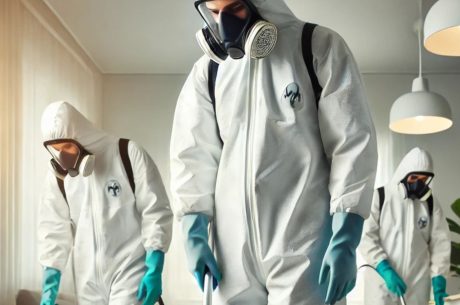
- Wear protective gear – Use rubber gloves, waterproof boots, goggles, and an N95 mask to avoid direct contact with contaminants.
- Ventilate the area – Open windows and use fans to reduce fumes and prevent mold growth.
- Keep children and pets away – Sewage backup is highly toxic; restrict access to affected areas.
If the damage is severe, consider hiring a professional sewage cleanup company to handle hazardous waste safely.
2. Stop the Source of the Backup
Before cleaning, identify and stop the source of the sewage backup:
- Check the main sewer line – If multiple drains are backing up, the issue may be in the main sewer line. A clogged or broken sewer line requires professional repair.
- Inspect floor drains and toilets – If only one fixture is affected, the blockage may be localized.
- Install a backwater valve – If flooding is frequent, a backwater valve can prevent future sewage backups by allowing water to flow out but not back in.
3. Remove Standing Sewage Water
Once the source is controlled, remove standing water:
- Use a wet/dry vacuum or pump – Avoid using a regular vacuum, as it’s not designed for contaminated water.
- Dispose of water properly – Sewage water should never be dumped into storm drains. Contact local waste management for disposal guidelines.
- Avoid flushing drains immediately – If the sewer system is still overloaded, flushing could worsen the backup.
4. Clean and Disinfect Affected Areas
Sewage backup leaves behind dangerous pathogens. Follow these steps to sanitize:
A. Remove Contaminated Materials
- Discard porous items – Carpets, drywall, insulation, and upholstered furniture absorb sewage and must be thrown away.
- Salvage hard surfaces – Non-porous materials like metal, glass, and plastic can be cleaned and disinfected.
B. Scrub and Disinfect
- Use a heavy-duty cleaner – Scrub floors, walls, and fixtures with a detergent and hot water.
- Apply a disinfectant – Use a bleach solution (1 cup bleach per 1 gallon of water) or an EPA-approved disinfectant to kill bacteria and viruses.
- Steam clean if possible – For deep cleaning, professional-grade steam cleaners can sanitize surfaces effectively.
C. Dry the Area Thoroughly
- Use dehumidifiers and fans – Prevent mold growth by ensuring all surfaces are completely dry.
- Check hidden spaces – Inspect behind walls and under flooring for trapped moisture.
5. Repair and Restore Damaged Structures
After cleaning, assess structural damage:
- Replace damaged drywall and insulation – If sewage seeped into walls, remove and replace affected sections (at least 12 inches above the waterline).
- Inspect flooring – Wooden subfloors may need replacement if warped or contaminated.
- Check plumbing systems – Ensure pipes are intact and not cracked or misaligned from flood pressure.
If the damage is extensive, consult a water damage restoration professional to ensure proper repairs.
6. Prevent Future Sewage Backups
Proactive measures can reduce the risk of recurring sewage problems:
- Install a backwater valve – Prevents sewage from flowing back into your home.
- Regular sewer line inspections – Have a plumber check for tree root intrusions, cracks, or blockages.
- Properly dispose of grease and waste – Avoid flushing non-degradable items (wipes, feminine products, grease) that clog pipes.
- Grade your yard away from the house – Ensures water drains away from the foundation.
- Consider a sump pump with battery backup – Helps remove excess water during power outages.
7. Know When to Call a Professional
While minor backups can be handled DIY, call a professional if:
- The backup is severe (multiple rooms affected).
- There’s a persistent foul odor after cleaning.
- The sewer line is damaged or collapsed.
- Mold growth is widespread.
Professionals have specialized equipment (hydro jets, sewer cameras) to fully resolve the issue.
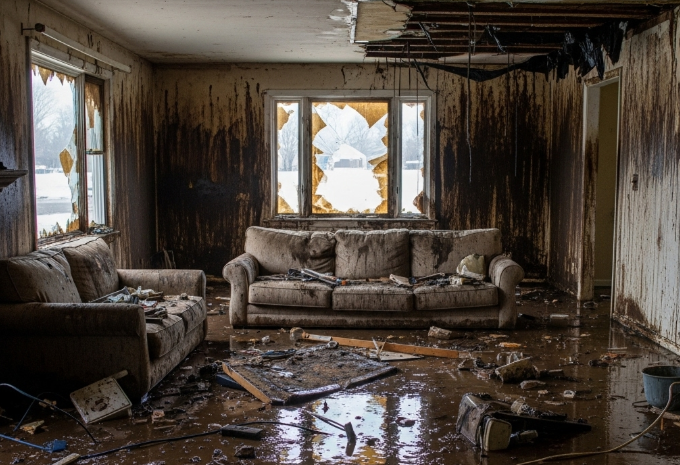
Dealing with a sewage backup in Maine? Don’t risk your health or home—contact us today on (207) 531-1200 for expert help!
Our team specializes in fast, safe, and thorough sewage cleanup, ensuring your property is properly sanitized and restored. We handle everything from water extraction and disinfection to sewer line repairs and mold prevention, so you don’t have to face the mess alone. Serving homeowners across Maine, we’re available 24/7 for emergencies. Call us now on (207) 531-1200 for a free assessment—let us help you get your home back to normal!
Final Thoughts
Post-flood sewage backups are a serious hazard, but with prompt action, proper cleaning, and preventive measures, you can restore your home safely. Always prioritize safety, thorough disinfection, and professional help when needed to protect your family’s health and your home’s integrity.
If you’ve experienced sewage backup, act quickly—delaying cleanup can lead to costly repairs and long-term health risks. Stay prepared, and take steps to minimize future flooding damage.
Have you dealt with a sewage backup? Share your experience and tips in the comments below!


 PuroClean of Auburn