


Table of Contents
Handling Hoarding Hazards
Hoarding is a complex psychological disorder that affects millions of people worldwide. While it often begins as a tendency to collect items, it can escalate into extreme clutter, creating hazardous living conditions. In severe cases, hoarding can lead to biohazard risks, including mold growth, pest infestations, rotting food, and even bodily fluids. Cleaning up such environments requires specialized expertise to ensure safety and proper sanitation.
In this blog post, we’ll explore the dangers of hoarding-related biohazards, the steps involved in professional cleanup, and how to support individuals struggling with hoarding disorder.
Understanding Hoarding Disorder and Its Risks
Hoarding disorder is recognized as a mental health condition characterized by an inability to discard possessions, leading to excessive accumulation. Over time, clutter can take over living spaces, making them unsafe. Some of the most common biohazards found in hoarding situations include:
1. Mold and Mildew
Excessive clutter can trap moisture, leading to mold growth. Mold spores can cause respiratory issues, allergic reactions, and long-term health problems if not properly remediated.
2. Pest Infestations
Rodents, insects, and other pests are attracted to food waste and clutter. These infestations can spread diseases, contaminate surfaces, and further degrade living conditions.
3. Rotting Food and Waste
Hoarding often involves the accumulation of expired food, garbage, and even human or animal waste. Decomposing organic matter can produce harmful bacteria and foul odors, posing serious health risks.
4. Bloodborne Pathogens and Bodily Fluids
In extreme cases, hoarding environments may contain biohazardous materials such as blood, urine, or feces. These substances can carry dangerous pathogens like hepatitis, HIV, and E. coli.
5. Structural Damage and Fire Hazards
Piles of clutter can block exits, damage flooring, and overload electrical systems, increasing the risk of fires or collapses.
Given these dangers, hoarding cleanup should never be a DIY project—it requires professional biohazard remediation.
The Professional Biohazard Cleanup Process
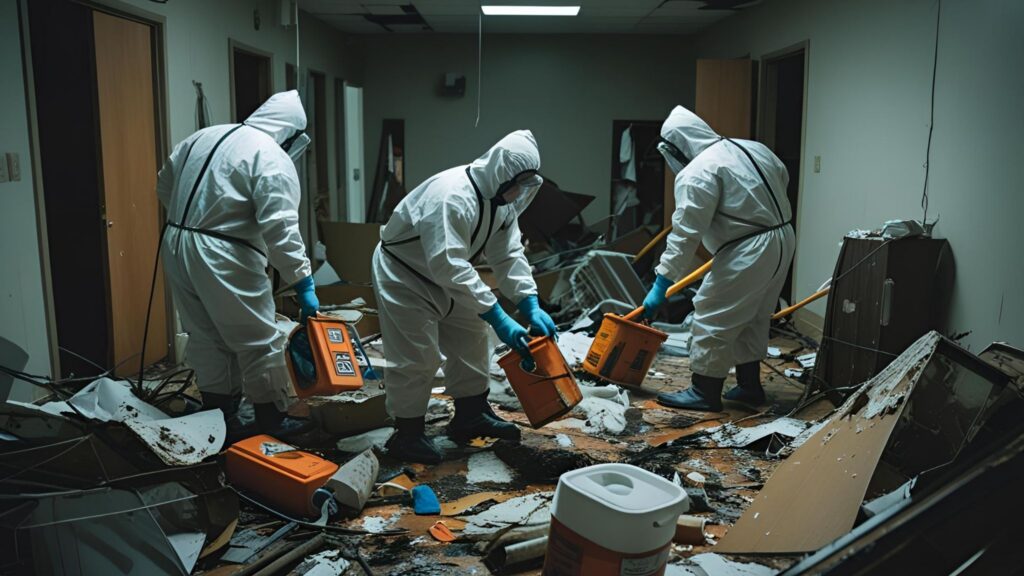
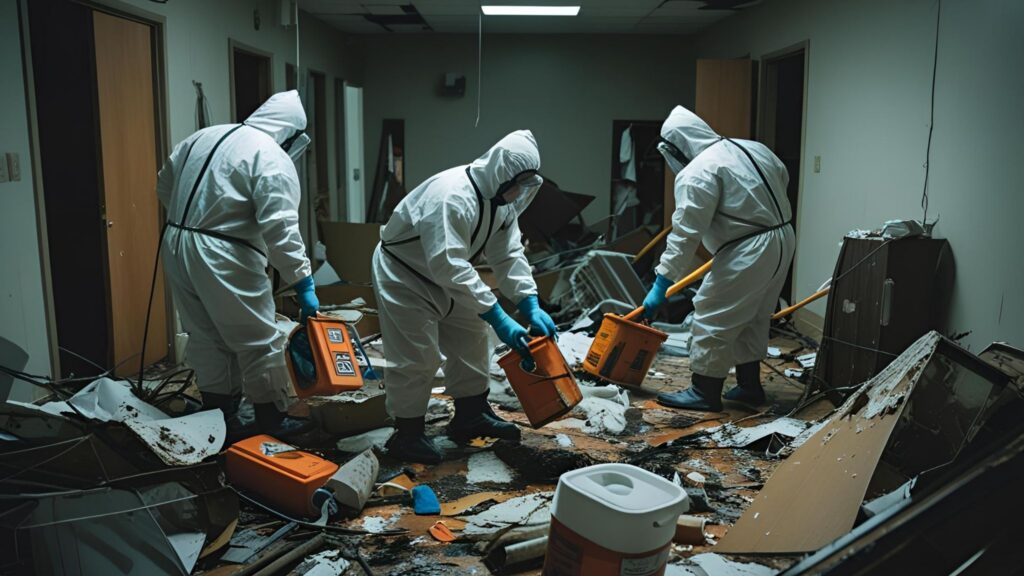
Cleaning a hoarding site is a multi-step process that prioritizes safety, sanitation, and sensitivity toward the individual affected. Here’s how professional cleanup teams handle extreme hoarding situations:
1. Assessment and Planning
Before any cleanup begins, a team evaluates the severity of the hoarding situation. They identify biohazards, structural risks, and any necessary permits or protective measures.
2. Personal Protective Equipment (PPE)
Cleanup crews wear full PPE, including respirators, gloves, hazmat suits, and eye protection, to avoid exposure to harmful substances.
3. Waste Removal and Sorting
Items are carefully sorted into categories:
- Keep: Salvageable belongings that the homeowner wants to retain.
- Donate: Gently used items that can be donated.
- Dispose: Contaminated or unsalvageable materials that must be discarded safely.
Biohazardous waste is disposed of according to federal and state regulations.
4. Deep Cleaning and Sanitization
Once clutter is removed, surfaces are thoroughly cleaned with industrial-grade disinfectants. Special attention is given to areas contaminated by mold, pests, or bodily fluids.
5. Deodorization and Air Quality Improvement
Persistent odors are treated with ozone machines, fogging, or other decontamination techniques to restore air quality.
6. Restoration and Preventative Measures
If structural damage exists (e.g., water damage, rotting floors), repairs are made. The team may also provide resources for ongoing mental health support to prevent relapse.
Supporting Individuals with Hoarding Disorder
Biohazard cleanup is only part of the solution. Hoarding is a mental health issue, and long-term recovery requires compassion and professional intervention. Here’s how to help:
1. Approach with Empathy
Hoarding is often linked to trauma, anxiety, or depression. Avoid judgment and express concern for the person’s well-being rather than criticizing their living conditions.
2. Encourage Professional Help
Therapy, particularly cognitive-behavioral therapy (CBT), has been effective in treating hoarding disorder. Support groups and professional organizers can also assist in maintaining a clutter-free environment.
3. Involve Trusted Family or Friends
Recovery is more successful when the individual has a support system. Loved ones can help monitor progress and provide emotional support.
4. Follow Up Consistently
Hoarding relapse is common. Regular check-ins can help individuals stay on track with their cleanup and organizational goals.
Need Professional Biohazard Cleanup Services in Maine?, Call Us
If you require expert biohazard remediation, contact us on (207) 531-1200, we are a licensed biohazard cleanup company in Maine. Our trained technicians will handle the situation with the utmost care and compliance, giving you peace of mind in even the most challenging circumstances.
Conclusion
Hoarding-related biohazard cleanup is a challenging but necessary process to restore safety and dignity to affected individuals. Due to the severe health risks involved, professional remediation is crucial. Beyond the physical cleanup, addressing the psychological aspects of hoarding disorder is essential for long-term recovery.
If you or someone you know is struggling with hoarding, seek help from biohazard cleanup specialists and mental health professionals. A compassionate, structured approach can make all the difference in transforming a hazardous environment into a safe, livable space.
For more information on biohazard cleanup services or hoarding support resources, contact a local remediation company or mental health organization today.