


Table of Contents
House fires are a terrifying and potentially deadly threat to homeowners. According to the National Fire Protection Association (NFPA), electrical failures or malfunctions are among the leading causes of home fires in the United States. One of the most critical components in preventing electrical fires is the circuit breaker—a safety device designed to protect your home’s electrical system from overloads and short circuits.
But just how effective are circuit breakers in preventing house fires? In this blog post, we’ll explore:
- What circuit breakers do
- How they prevent electrical fires
- Their limitations
Additional safety measures to enhance protection
By the end, you’ll have a clear understanding of whether circuit breakers alone are enough to keep your home safe or if you need extra precautions.
What Is a Circuit Breaker and How Does It Work?
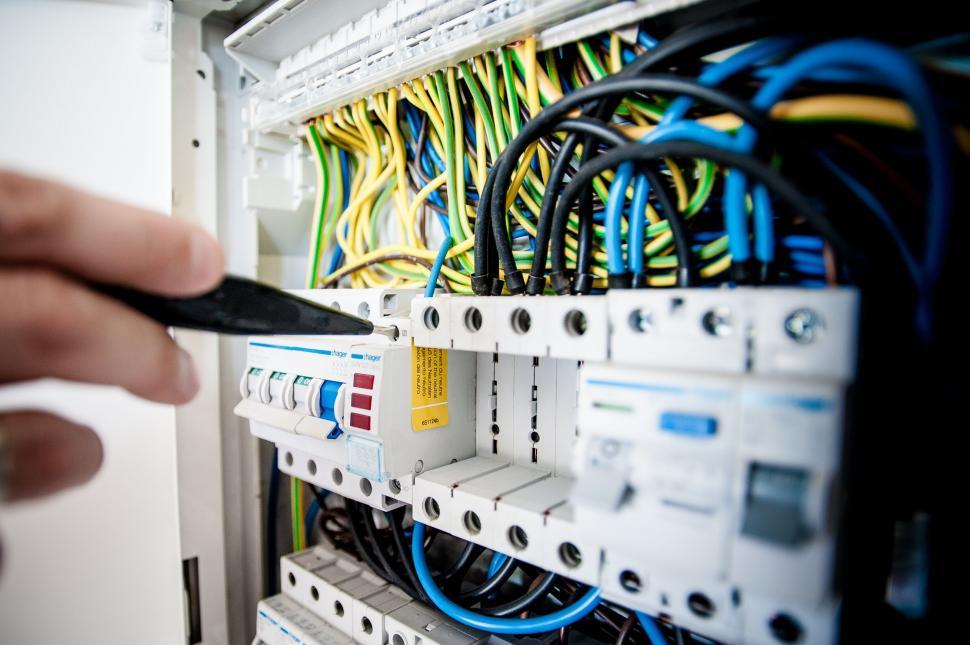
A circuit breaker is an automatically operated electrical switch designed to protect an electrical circuit from damage caused by:
- Overloads (too much current flowing through the circuit)
- Short circuits (a sudden surge due to a fault)
- Ground faults (when electricity escapes the intended path)
When the current exceeds safe levels, the breaker “trips,” cutting off power to that circuit. This prevents overheating, which can lead to fires.
Types of Circuit Breakers
- Standard Circuit Breakers – Protect against overloads and short circuits.
- GFCI (Ground Fault Circuit Interrupter) Breakers – Prevent shocks by detecting ground faults (common in bathrooms, kitchens, and outdoor outlets).
- AFCI (Arc Fault Circuit Interrupter) Breakers – Detect dangerous arc faults (sparks that can ignite fires) and shut off power.
Each type plays a role in fire prevention, but not all breakers are equally effective in every scenario.
How Effective Are Circuit Breakers in Preventing House Fires?
Circuit breakers are a first line of defense against electrical fires, but their effectiveness depends on several factors:
1. Preventing Overloads & Short Circuits
When wiring is overloaded (e.g., too many appliances plugged into one circuit), the breaker trips before the wires overheat. This is crucial because overheated wires can melt insulation and ignite nearby materials.
Effectiveness: High for immediate overloads, but breakers don’t prevent all fire risks (e.g., slow heat buildup from loose connections).
2. Detecting Arc Faults (AFCIs)
Standard breakers don’t always detect arc faults—small sparks that can occur in damaged or aging wires. These arcs generate intense heat and are a major fire hazard.
AFCI Breakers: These are designed to detect dangerous arcs and shut off power.
Effectiveness: AFCI breakers significantly reduce fire risks, but they’re not foolproof—some minor arcs (like those from light switches) may not trigger them.
3. Ground Fault Protection (GFCIs)
While GFCIs are mainly for preventing electric shocks, they also reduce fire risks by cutting off power when electricity leaks outside the circuit.
Effectiveness: Excellent for preventing shocks and some electrical fires, but not a complete solution for all fire hazards.
Limitations of Circuit Breakers in Fire Prevention
Despite their importance, circuit breakers aren’t perfect. Here’s why:
1. They Don’t Prevent All Electrical Fires
- Loose connections (e.g., bad wiring, faulty outlets) can generate heat without tripping the breaker.
- Old or damaged wiring may cause fires before the breaker detects a problem.
- Small, persistent arcs might not always trigger AFCI breakers.
2. Outdated or Poor-Quality Breakers
Older homes may have fuse boxes or obsolete breakers that don’t meet modern safety standards.
Cheap or counterfeit breakers may fail to trip when needed.
3. Human Error
Some people ignore tripped breakers and reset them without fixing the underlying issue.
DIY electrical work (e.g., overloading circuits) can bypass safety mechanisms.
Enhancing Fire Protection Beyond Circuit Breakers
Since breakers alone aren’t 100% effective, homeowners should take additional precautions:
- Install AFCI & GFCI Protection
AFCIs should be installed in living areas, bedrooms, and other spaces where arc faults are likely.
GFCIs are essential in wet areas (kitchens, bathrooms, garages).
- Regular Electrical Inspections
Have a licensed electrician inspect your wiring every 5–10 years (or sooner if you notice flickering lights, burning smells, or frequent breaker trips).
Replace old or damaged wiring (especially in homes over 30 years old).
- Use Surge Protectors
Power surges (from lightning or faulty appliances) can damage electronics and cause fires. Whole-house surge protectors add an extra layer of safety. - Avoid Overloading Circuits
Don’t plug too many high-wattage devices into one outlet.
Use power strips with built-in circuit breakers for added protection.
- Install Smoke Detectors Near Electrical Panels
Since some electrical fires start in the breaker box, having a smoke detector nearby ensures early warning.
Final Verdict: Are Circuit Breakers Enough?
Circuit breakers are essential for preventing electrical fires, but they aren’t a complete solution. They excel at stopping overloads and short circuits, but they can’t catch every potential hazard—especially those caused by faulty wiring or small, persistent arcs.
Key Takeaways:
✔ Standard breakers protect against overloads and short circuits.
✔ AFCI breakers add crucial protection against arc faults.
✔ GFCI breakers prevent shocks and some electrical fires.
✔ Regular maintenance (inspections, upgrades) is necessary for full safety.
For maximum protection, homeowners should combine circuit breakers with AFCI/GFCI devices, surge protectors, and routine electrical inspections. By taking these steps, you can drastically reduce the risk of an electrical fire in your home.
Have You Checked Your Breakers Lately?
If your home still uses old breakers or fuses, consider upgrading to modern AFCI/GFCI protection. An electrician can assess your system and recommend the best safety improvements.
Stay safe, and don’t take chances with electrical fires!