 PuroClean of Auburn
Table of Contents
Personal Protective Equipment (PPE) is essential in various industries to ensure the safety and well-being of workers. Whether you work in construction, healthcare, manufacturing, or restoration, using the right PPE minimizes the risk of injury and exposure to hazardous substances. This guide will walk you through the essential PPE types and their uses.
Personal Protective Equipment List and Their Uses
1. Head Protection
Hard Hats and Helmets
Use: Protects against falling objects, impacts, and electrical hazards.
Common Applications: Construction sites, industrial environments, and restoration work where debris is present.
Types: Class A (impact and low-voltage protection), Class B (impact and high-voltage protection), and Class C (impact protection only).
2. Eye and Face Protection
Safety Glasses
Use: Shields the eyes from dust, debris, and light impact.
Common Applications: Laboratories, workshops, and restoration projects.
Goggles
Use: Provides a seal around the eyes for protection against chemicals, splashes, and airborne contaminants.
Common Applications: Chemical handling, restoration work involving mold remediation.
Face Shields
Use: Protects the face from flying particles, sparks, and chemical splashes.
Common Applications: Welding, grinding, and working with hazardous liquids.
3. Hearing Protection
Earplugs
- Use: Reduces exposure to loud noises.
- Common Applications: Manufacturing plants, construction sites, and restoration projects with heavy machinery.
Earmuffs
- Use: Provides higher noise reduction than earplugs.
- Common Applications: Airports, industrial sites, and high-noise restoration jobs.
4. Respiratory Protection
Dust Masks
- Use: Protects against non-toxic dust and airborne particles.
- Common Applications: Woodworking, sweeping, and light-duty restoration tasks.
N95 Respirators
- Use: Filters out at least 95% of airborne particles, including mold spores and bacteria.
- Common Applications: Healthcare settings, restoration work involving mold, smoke, or fine particles.
Full-Face Respirators
- Use: Protects the face and respiratory system from hazardous gases and chemicals.
- Common Applications: Asbestos removal, chemical exposure, and heavy restoration work.
5. Hand Protection
Disposable Gloves
- Use: Shields hands from contaminants, chemicals, and infectious materials.
- Common Applications: Healthcare, cleaning, and restoration involving hazardous materials.
Work Gloves
- Use: Protects hands from cuts, abrasions, and impact.
- Common Applications: Construction, carpentry, and general restoration work.
Chemical-Resistant Gloves
- Use: Provides protection against harmful chemicals and solvents.
- Common Applications: Handling strong chemicals, restoration work with hazardous substances.
6. Body Protection
Coveralls
- Use: Shields the body from dirt, chemicals, and hazardous materials.
- Common Applications: Hazardous material cleanup, painting, and mold remediation.
High-Visibility Clothing
- Use: Enhances visibility for workers in low-light or high-traffic areas.
- Common Applications: Roadwork, construction sites, and outdoor restoration projects.
7. Foot Protection
Steel-Toe Boots
- Use: Protects feet from heavy objects and crushing injuries.
- Common Applications: Construction, restoration, and industrial work.
Chemical-Resistant Boots
- Use: Shields feet from harmful chemicals and liquids.
- Common Applications: Hazardous material handling, restoration work involving flooding or mold.
Slip-Resistant Shoes
- Use: Prevents slips and falls in wet or oily environments.
- Common Applications: Kitchens, warehouses, and restoration sites with water damage.
8. Fall Protection
Harnesses
- Use: Prevents falls from heights by securing workers.
- Common Applications: Roofing, high-rise construction, and elevated restoration work.
Lanyards and Lifelines
- Use: Provides a safety tether to prevent falls.
- Common Applications: Scaffolding, bridgework, and any job requiring elevation.
Why is PPE Important in property restoration?
PPE (Personal Protective Equipment) is crucial in property restoration because workers are often exposed to hazardous conditions that can pose serious health and safety risks. Here’s why PPE is essential in this field:
- Protection from Hazardous Materials
Property restoration frequently involves handling mold, asbestos, lead paint, and chemical contaminants. PPE like respirators, gloves, and protective suits shields workers from exposure to these toxic substances. - Safety from Structural Hazards
Damaged properties often have unstable structures, falling debris, exposed nails, and broken glass. Wearing hard hats, steel-toe boots, and safety goggles helps prevent injuries from falling objects and sharp debris. - Respiratory Protection
Smoke damage, mold spores, and airborne contaminants are common in restoration sites. N95 respirators and full-face respirators help workers avoid inhaling harmful particles that could cause respiratory illnesses. - Avoiding Skin Irritations and Burns
Workers handle strong cleaning agents, disinfectants, and biohazards. Chemical-resistant gloves, coveralls, and goggles provide protection against skin irritation, burns, and chemical exposure. - Preventing Slips, Trips, and Falls
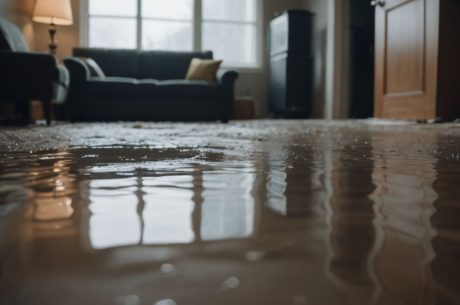
Water damage restoration often leaves floors wet and slippery. Slip-resistant boots and harnesses reduce the risk of falls, ensuring worker safety in challenging environments. - Compliance with Safety Regulations
OSHA and other regulatory bodies mandate the use of PPE in hazardous work environments. Proper PPE use ensures compliance and helps avoid legal and financial penalties.
Conclusion
Using the right PPE is essential for worker safety across various industries, especially in high-risk environments like restoration, construction, and healthcare. Employers should provide appropriate PPE and ensure workers are trained in its correct use. By prioritizing safety, workplaces can reduce injuries and create a secure environment for everyone.
Stay safe and always wear the proper PPE for your job!


 PuroClean of Auburn