 PuroClean of Auburn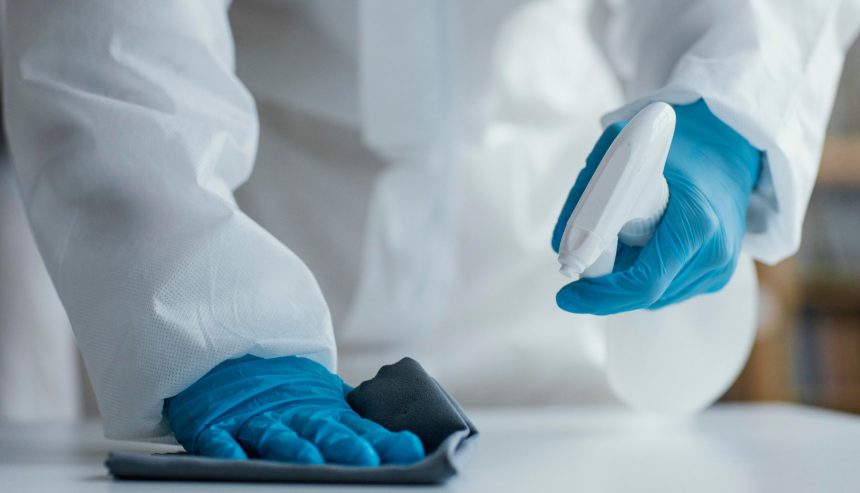
Table of Contents
Biohazard cleanup involves the removal, cleaning, and disinfection of materials contaminated by potentially infectious substances. These can include blood, bodily fluids, chemical spills, mold, sewage, and even animal remains. When faced with a biohazard situation, homeowners and business owners often wonder whether to handle the cleanup themselves or hire professionals.
While a DIY approach may seem cost-effective, biohazard cleanup poses serious health risks if not done correctly. In this blog post, we’ll compare professional biohazard cleanup versus DIY cleanup, examining safety, cost, legal considerations, and effectiveness to help you make an informed decision.
What Is Biohazard Cleanup?
Biohazard cleanup involves dealing with hazardous biological materials that can spread disease or cause harm. Common biohazard scenarios include:
- Blood and bodily fluids (crime scenes, accidents, unattended deaths)
- Sewage backups (black water contamination)
- Mold infestations (toxic black mold)
- Chemical spills (hazardous waste from labs or industrial accidents)
- Animal waste and remains (hoarding situations, dead animals in walls)
Because these contaminants can carry pathogens like HIV, hepatitis, E. coli, and other dangerous microorganisms, proper cleanup is critical.
DIY Biohazard Cleanup: Risks and Challenges
Some people attempt DIY biohazard cleanup to save money, but this approach comes with significant risks:
1. Health and Safety Hazards
Exposure to bloodborne pathogens (HIV, hepatitis B and C)
Inhalation of mold spores or toxic fumes
Contact with hazardous chemicals
Improper handling of sharps (needles, broken glass)
Without proper personal protective equipment (PPE) and training, DIYers risk infection or long-term health effects.
2. Ineffective Cleaning and Sanitization
Household cleaners (bleach, disinfectants) may not fully eliminate pathogens.
Porous materials (carpet, drywall, upholstery) can retain contaminants even after cleaning.
Improper disposal of biohazard waste can lead to further contamination.
3. Emotional and Psychological Toll
Cleaning up after a traumatic event (suicide, crime scene, severe injury) can be emotionally distressing. Professionals are trained to handle these situations with sensitivity.
4. Legal and Regulatory Issues
OSHA regulations require proper handling of biohazardous materials in workplaces.
State and local laws may dictate how biohazard waste must be disposed of.
Failure to comply can result in fines or legal liability if someone gets sick.
24/7 Professional Biohazard Cleanup in Maine – Quickly Call (207) 531-1200
Professional Biohazard Cleanup: Why It’s the Safer Choice
Certified biohazard cleanup companies follow strict protocols to ensure complete decontamination. Here’s why hiring professionals is often the best decision:
1. Advanced Training and Certification
Professional cleaners are trained in:
- Bloodborne pathogen standards (OSHA compliance)
- Proper disinfection techniques (hospital-grade disinfectants, EPA-approved chemicals)
- Hazardous waste disposal (following federal and state regulations)
Companies like ServPro, Bio-One, and Aftermath specialize in biohazard remediation.
2. Proper Safety Equipment
Professionals use:
- Full-body PPE (suits, gloves, respirators, shoe covers)
- HEPA-filter vacuums and air scrubbers (for mold and particulate removal)
- Industrial-strength disinfectants and enzymatic cleaners
3. Thorough Decontamination Process
A professional cleanup includes:
- Assessment – Identifying contaminated areas and safety risks.
- Containment – Sealing off affected areas to prevent cross-contamination.
- Removal – Safely disposing of biohazardous materials.
- Cleaning & Disinfection – Using medical-grade solutions to kill pathogens.
- Verification – Testing to ensure the area is safe for re-entry.
4. Compliance with Laws and Insurance Requirements
Professionals document the cleanup for insurance claims.
They follow EPA, OSHA, and DOT regulations for waste disposal.
Insurance may cover professional cleanup, reducing out-of-pocket costs.
5. Emotional Support and Discretion
Professionals handle traumatic scenes with compassion.
They minimize family or employees’ exposure to distressing environments.
When Is DIY Cleanup Acceptable?
While professional cleanup is strongly recommended for major biohazards, minor incidents may be manageable with caution:
✅ Small blood spills (from a minor cut) – Use gloves and disinfectant.
✅ Pet accidents – Clean with enzymatic cleaners.
✅ Minor mold patches – If under 10 sq ft, use vinegar or bleach (with proper ventilation).
However, if there’s any doubt about safety, always call a professional.
Final Verdict: When to Call a Professional
You should always hire professionals for:
🔴 Crime scenes, homicides, suicides
🔴 Sewage backups or black water spills
🔴 Large-scale blood contamination
🔴 Unattended deaths (decomposition odors, bodily fluids)
🔴 Toxic mold infestations
🔴 Hazardous chemical spills
For minor issues, DIY may be feasible—but safety should always come first.
Conclusion
Biohazard cleanup is not just about cleaning—it’s about safety, legal compliance, and peace of mind. While DIY methods may work for very small, low-risk situations, professional biohazard cleanup is the safest, most effective solution for serious contamination.
If you’re facing a biohazard situation, don’t risk your health—contact a certified cleanup company to ensure the job is done right.


 PuroClean of Auburn