


Table of Contents
Your HVAC (Heating, Ventilation, and Air Conditioning) system plays a crucial role in maintaining indoor comfort, but it can also become a breeding ground for mold if not properly maintained. Mold growth in your HVAC system is more than just a nuisance—it can lead to health problems, unpleasant odors, and reduced system efficiency.
In this blog post, we’ll explore the key signs of mold in your HVAC system, why it’s dangerous, and what you can do to prevent and eliminate it.
Why Does Mold Grow in HVAC Systems?
Mold thrives in damp, dark environments with organic material to feed on. Since HVAC systems circulate air and often accumulate moisture (especially in the condensate drain pan, ducts, and filters), they provide an ideal environment for mold growth. Common causes include:
- Excess moisture from high humidity or leaks
- Poor ventilation leading to stagnant air
- Dirty air filters trapping organic debris
- Clogged condensate drain lines causing water buildup
- Infrequent HVAC maintenance allowing mold to spread
- Now, let’s look at the warning signs that your HVAC system may have mold.
7 Key Signs of Mold in Your HVAC System
1. Musty or Moldy Odors
One of the most noticeable signs of mold is a persistent musty smell when your HVAC system runs. If you notice a damp, earthy odor that worsens when the AC or heater turns on, mold could be growing inside the ducts, coils, or drip pan.
2. Visible Mold Growth
If you inspect your air vents, ducts, or around the indoor HVAC unit and see black, green, or white fuzzy patches, you likely have mold. Common spots to check include:
- Air vents and registers
- Evaporator coils
- Drip pans
- Ductwork (especially if there’s condensation)
3. Allergy-Like Symptoms
Mold spores circulating through your HVAC system can trigger respiratory issues, such as:
- Sneezing
- Coughing
- Itchy eyes
- Headaches
- Asthma flare-ups
If symptoms improve when you leave home, your HVAC system could be the culprit.
4. Increased Dust and Debris
Mold often grows alongside dust and dirt buildup. If you notice excessive dust around vents or black particles blowing out when the system runs, it could indicate mold contamination.
5. Poor Airflow or Uneven Cooling/Heating
Mold growth can block ducts or clog filters, reducing airflow. If some rooms feel stuffy or don’t heat/cool properly, mold may be obstructing your system.
6. Frequent Respiratory Infections
Long-term exposure to mold spores can weaken the immune system, leading to recurring sinus infections, bronchitis, or other respiratory illnesses.
7. High Humidity Levels
If your home feels excessively humid (above 60%), condensation can form inside ducts, encouraging mold growth. A hygrometer can help monitor indoor humidity.
8. Health Risks of Mold in Your HVAC System
Mold exposure can cause mild to severe health issues, especially for those with allergies, asthma, or weakened immune systems. Common health effects include:
- Allergic reactions (sneezing, rashes, congestion)
- Respiratory problems (wheezing, coughing, lung irritation)
- Chronic sinus infections
- Headaches and fatigue
- Neurological symptoms (in rare cases with toxic black mold)
If anyone in your household experiences unexplained health issues, have your HVAC system inspected for mold.
How to Check for Mold in Your HVAC System
- Inspect Air Vents and Ducts
Remove vent covers and use a flashlight to check for visible mold. Look for discoloration or fuzzy growth. - Examine the Drip Pan and Evaporator Coils
Turn off the system and check the condensate drain pan for standing water or slimy residue. Mold often grows here due to excess moisture. - Change Air Filters
Dirty filters can harbor mold. Replace them monthly and check for mold growth on the filter itself. - Hire a Professional Mold Inspection
If you suspect mold but can’t see it, an HVAC technician can perform an air quality test and use specialized cameras to inspect ducts.
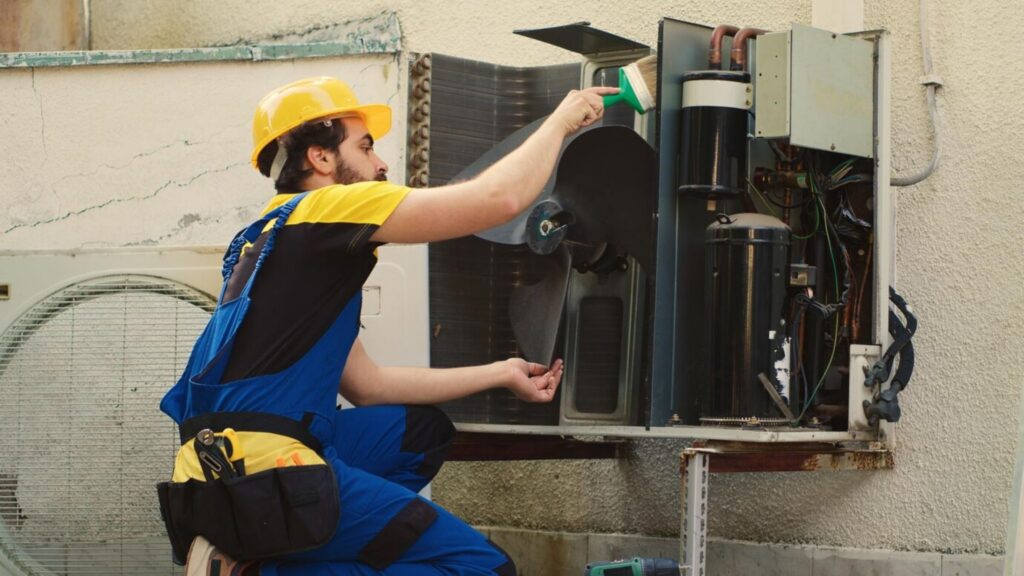
How to Remove Mold from Your HVAC System
For Small Mold Problems:
- Turn off the HVAC system to prevent spores from spreading.
- Clean visible mold with a mix of water and vinegar or a commercial mold cleaner.
- Replace air filters and clean vents with a damp cloth.
- Use a HEPA vacuum to remove mold from ducts if accessible.
For Severe Mold Infestations:
- Hire a professional HVAC cleaner to sanitize ducts and coils.
- Consider duct replacement if mold damage is extensive.
- Install a UV light purifier to kill mold and bacteria inside the system.
Preventing Mold in Your HVAC System
- Control Humidity Levels – Use a dehumidifier to keep indoor humidity below 50%.
- Schedule Regular Maintenance – Have your HVAC system inspected and cleaned annually.
- Change Air Filters Frequently – Replace filters every 1-3 months.
- Ensure Proper Drainage – Clear condensate lines to prevent water buildup.
- Improve Ventilation – Use exhaust fans in bathrooms and kitchens to reduce moisture.
- Consider UV Light Installation – UV lamps inside the HVAC system can inhibit mold growth.
Final Thoughts
Mold in your HVAC system is a serious issue that can affect both your health and your home’s air quality. By recognizing the signs early—such as musty smells, allergy symptoms, or visible growth—you can take action before the problem worsens. Regular maintenance, humidity control, and professional cleanings are key to keeping your HVAC system mold-free.
If you suspect mold but aren’t sure how to handle it, contact an HVAC specialist for a thorough mold inspection and cleaning. Your lungs—and your home—will thank you!