


Table of Contents
Water damage is one of the most common—and costly—issues homeowners face. Left unchecked, it can lead to mold growth, structural damage, and even health problems. While some signs of water damage are obvious (like a flooded basement), others are much more subtle and easy to overlook.
Signs of Water Damage in Your Home
In this post, we’ll cover the less obvious signs of water damage that you might miss, so you can catch problems early and prevent costly repairs.
1. Musty or Damp Odors
One of the first signs of hidden water damage is a persistent musty smell. Even if you don’t see any visible leaks, a damp, earthy odor often indicates mold or mildew growth behind walls, under floors, or in crawl spaces.
What to do:
- Follow the smell to locate its source.
- Check under sinks, behind appliances, and in basements.
- If the odor persists, consider hiring a professional to inspect for hidden moisture.
2. Discoloration or Stains on Walls and Ceilings
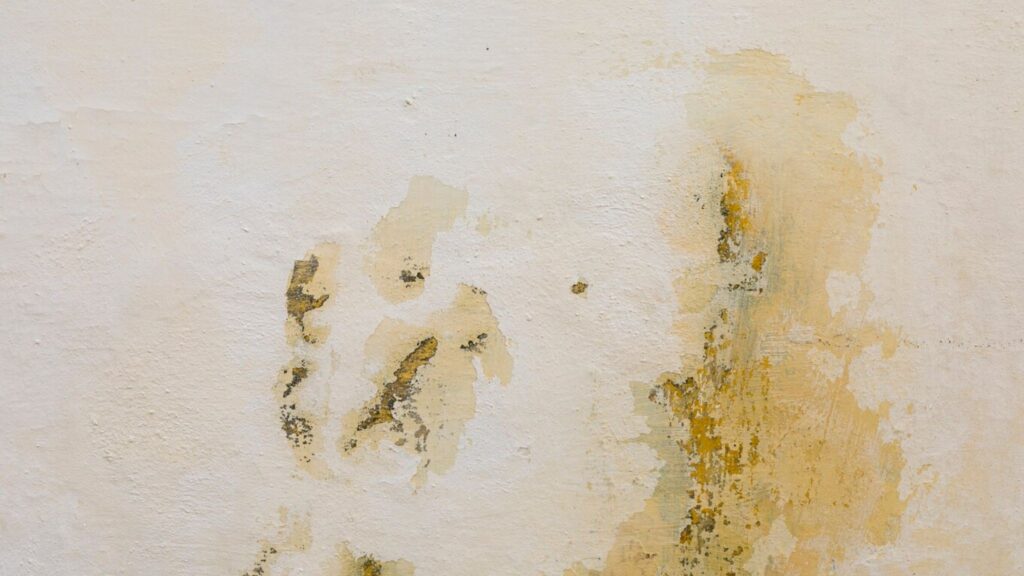
Water stains aren’t always dramatic brown patches—sometimes they appear as faint yellow or grayish spots on walls or ceilings. These discolorations often indicate a slow leak from plumbing, roofing, or even condensation buildup.
What to look for:
- Ceiling stains (could mean a roof leak).
- Wall stains near pipes or appliances (plumbing leak).
- Bubbling or peeling paint (a sign of trapped moisture).
3. Warped or Buckling Flooring
Water damage can cause flooring materials like hardwood, laminate, or vinyl to warp, buckle, or feel spongy underfoot. This often happens gradually, so you might not notice until the damage is severe.
Common culprits:
- Leaking appliances (dishwasher, washing machine).
- Slab leaks (if you have a concrete foundation).
- High humidity or poor ventilation in bathrooms.
4. Peeling or Bubbling Wallpaper/Paint
If your wallpaper or paint is peeling, bubbling, or cracking without an obvious reason, moisture could be the cause. Water weakens the adhesive behind wallpaper and causes paint to lose its grip.
Where to check:
- Bathrooms (due to steam and humidity).
- Exterior walls (possible insulation or siding leaks).
- Around windows (poor sealing can allow water seepage).
5. Soft or Crumbling Drywall
Drywall absorbs water quickly, and over time, it can become soft, crumbly, or even develop small holes. If you press on a wall and it feels spongy or leaves an indentation, there’s likely moisture damage inside.
What to do:
- Use a moisture meter to check for hidden dampness.
- Cut out and replace severely damaged drywall to prevent mold.
6. Increased Water Bills
A sudden spike in your water bill—without changes in usage—could mean a hidden leak. Even small leaks in pipes, toilets, or irrigation systems can waste hundreds of gallons of water.
How to investigate:
- Check your water meter before and after a 2-hour period of no water use. If it changes, you have a leak.
- Inspect toilets (a running toilet can waste up to 200 gallons per day!).
7. Mold Growth in Unusual Places
Mold thrives in damp, dark environments, and it doesn’t always grow in plain sight. Look for small black, green, or white spots in:
- Under sinks
- Behind furniture
- Inside closets
- Around HVAC vents
Important: Some molds are toxic—if you find a large infestation, call a professional.
8. Rust or Corrosion on Pipes
If you notice rust on exposed pipes, it’s a sign of prolonged moisture exposure. This could mean condensation buildup or a slow leak.
What to check:
- Water heater connections
- Under-sink plumbing
- Basement or crawl space pipes
9. Cracks in the Foundation
Water damage can weaken your home’s foundation, leading to cracks in the walls or floors. While some settling is normal, widening cracks may indicate water erosion underneath.
Warning signs:
- Horizontal cracks in basement walls.
- Doors and windows that no longer close properly.
- Gaps between walls and floors.
10. Damp or Wet Insulation
If you have access to your attic or crawl space, check the insulation. Wet or damp insulation is a red flag for roof leaks or condensation issues.
Why it matters:
- Wet insulation loses its effectiveness.
- It can lead to mold growth inside walls.
Contact Us for Immediate Water Damage Cleanup Help on (207) 531-1200
Don’t let water damage disrupt your life. If you’re dealing with a water damage emergency in Maine, contact PuroClean of Auburn today. We’re ready to help you restore your home and peace of mind. Call us at (207) 531-1200 or visit our website to learn more about our services.
How to Prevent Water Damage
- Inspect appliances regularly (washing machines, dishwashers, water heaters).
- Clean gutters and downspouts to prevent roof leaks.
- Check for plumbing leaks under sinks and behind toilets.
- Monitor humidity levels (use a dehumidifier if needed).
- Seal cracks in foundations, windows, and doors.
Final Thoughts
Water damage often starts small but can escalate quickly. By knowing these hidden signs, you can catch leaks early and avoid expensive repairs. If you suspect major water damage, don’t hesitate to call a professional—early intervention saves money and keeps your home safe!