 PuroClean of Aventura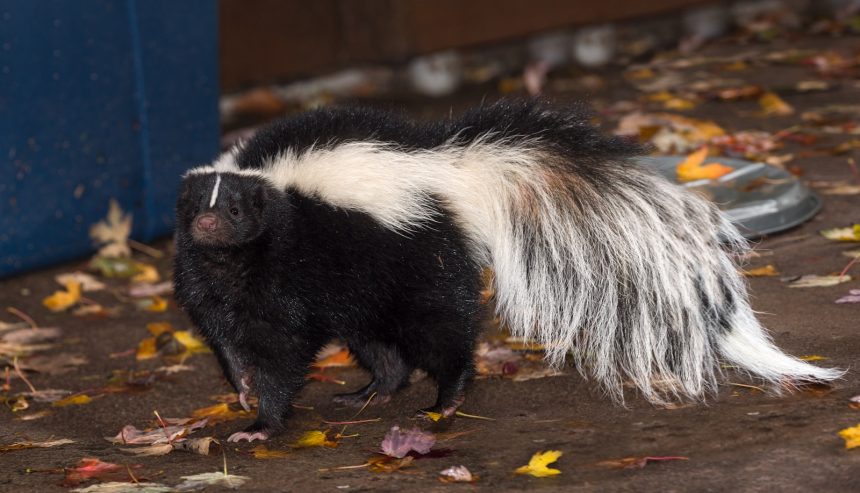
How to Remove Catastrophic Odors Safely: When DIY Isn’t Enough
One of the most frustrating situations a homeowner can face is dealing with a catastrophic odor. These are not everyday smells. They linger, intensify, and often signal a deeper issue that cannot be masked with candles or sprays. While many over-the-counter (OTC) products promise fast fixes, catastrophic odor removal often requires more than what’s available on a store shelf.
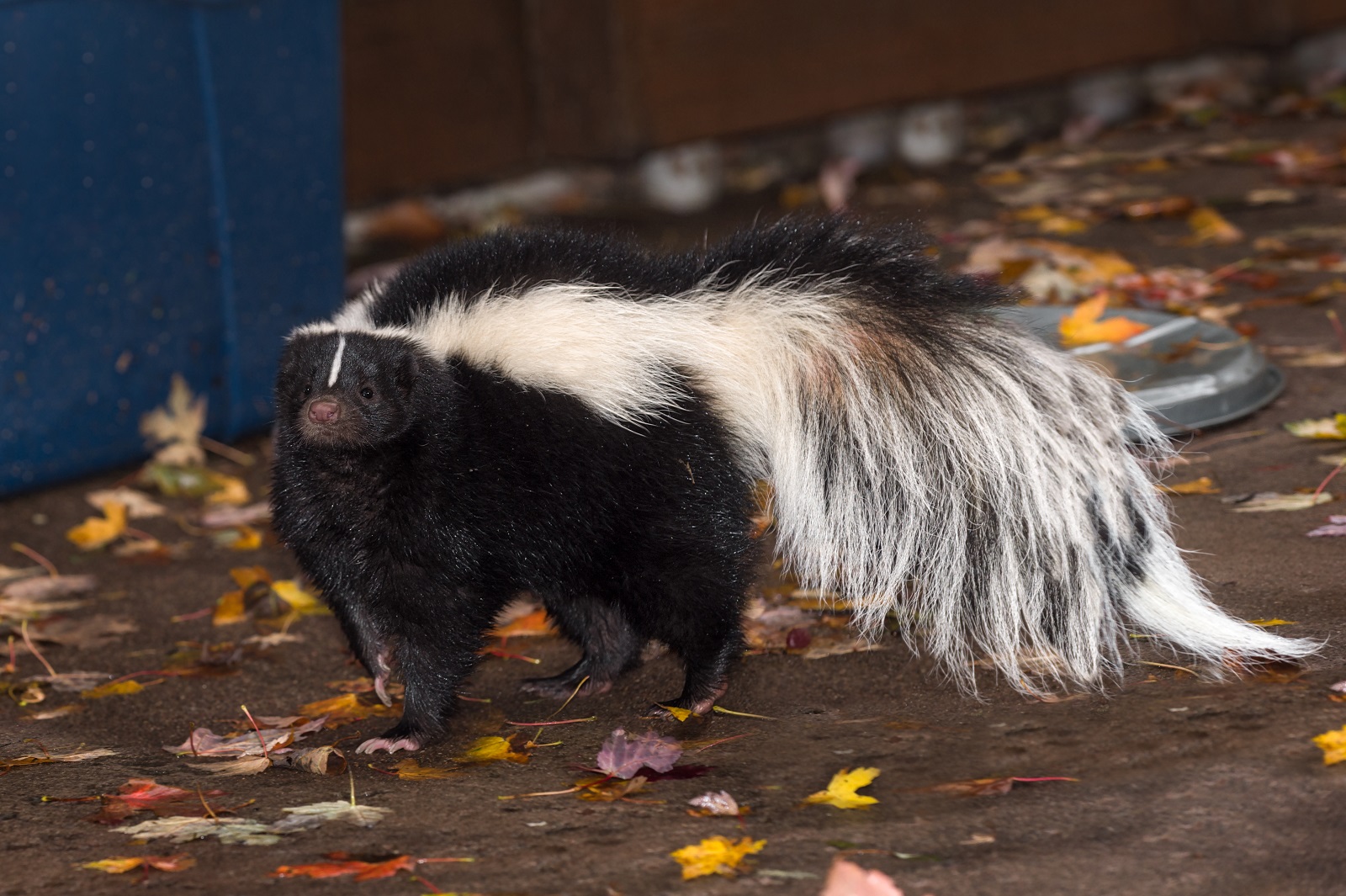
Odors caused by severe pet urine contamination, skunk spray, decomposition, or biohazard events are fundamentally different from routine household smells. Understanding the difference—and knowing when to stop DIY efforts—can save time, money, and protect your health.
Step One: Safety Comes First
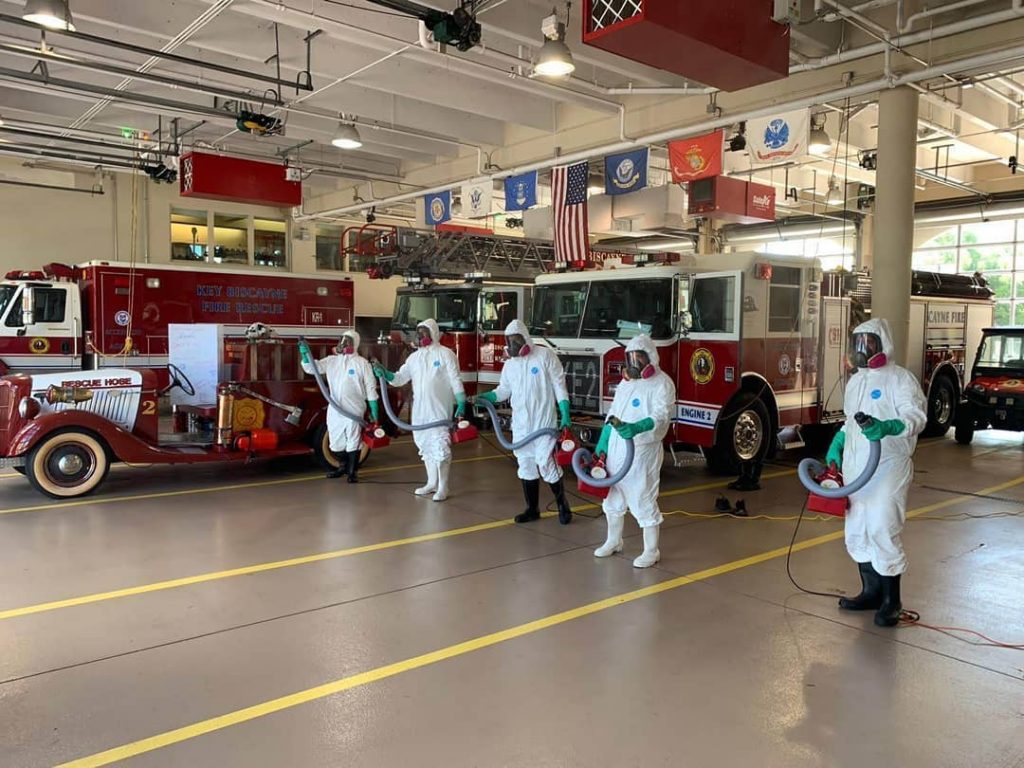
Before attempting any form of catastrophic odor removal, personal safety is critical. Some odors are associated with biological contamination and airborne particles that can be harmful when inhaled or touched.
At a minimum, proper protection should include:
-
Disposable gloves
-
Eye protection
-
Long sleeves or protective clothing
-
An N-95 disposable respirator, available at stores like Home Depot
Respiratory protection is especially important. Odor particles can enter through the nose and mouth and irritate or contaminate mucus membranes. Never skip this step.
Step Two: Remove the Source of the Odor
The most important rule in odor removal is simple: you cannot eliminate an odor without removing its source.
Non-Porous Surfaces
If pet urine or skunk spray is on tile, sealed concrete, metal, or plastic, thorough cleaning may be enough. Because these odors contain natural oils, a strong detergent combined with warm water is essential.
-
Scrub thoroughly
-
Rinse with warm water
-
Repeat if any odor remains
Warm water helps break down oils and prevents residue from re-absorbing into the surface.
Porous Materials: Where Odors Hide
Most catastrophic odors penetrate porous materials such as:
-
Rugs and carpets
-
Upholstered furniture
-
Drapes
-
Mattresses
These materials absorb odors deeply. While professional carpet or upholstery cleaning may help, heavily contaminated items often cannot be fully restored. In these cases, disposal may be the safest and most effective option.
If odor remains after cleaning, it’s time to involve a professional restoration company like PuroClean, which specializes in advanced odor remediation techniques.
Semi-Porous Surfaces: Wood and Subflooring
Wood, particle board, and subflooring require a different approach. These materials absorb both the odor and any cleaning solution applied to them.
The goal is saturation—introducing enough cleaning solution to neutralize the odor at the same depth it penetrated. However, particle board that has absorbed fluids extensively cannot be restored and must be removed.
When odor contamination affects structural materials, professional intervention is strongly recommended to prevent long-term damage and recurring smells.
Decomposition Odors: Do Not DIY
Odors associated with human or animal decomposition are never routine and should not be handled without professional help.
Once authorities such as a medical examiner or coroner have completed their work, the remaining cleanup often falls under OSHA Bloodborne Pathogens (BOPIM) regulations. These regulations govern:
-
Required training
-
Protective equipment
-
Approved disinfectants
-
Proper disposal methods
This type of catastrophic odor removal must be handled by certified biohazard professionals.
For more information on biological safety standards, see OSHA’s guidance on bloodborne pathogens (outbound link):
https://www.osha.gov/laws-regs/regulations/standardnumber/1910/1910.1030
Small Animals, Big Odors
A decomposing rodent inside a wall or attic can create an overwhelming odor. Even in these cases, safety protocols must be followed. Absorbent materials should be removed and discarded, while non-porous and semi-porous surfaces must be cleaned and disinfected thoroughly.
OTC disinfectants can sanitize surfaces, but they do not always eliminate deeply embedded odor molecules.
When the Odor Still Won’t Go Away
If cleaning, disinfecting, and ventilation fail, masking the odor with air fresheners is not a solution—it’s a temporary cover-up.
Professional restoration teams use advanced equipment such as:
-
Ozone generators
-
Hydroxyl generators
-
Thermal fogging
These tools neutralize odor molecules at the molecular level, not just in the air but within materials and hidden spaces.
Learn more about professional odor remediation services here (inbound link example):
https://www.puroclean.com/services/odor-removal/
Final Thoughts: Know When to Call the Professionals
Catastrophic odor removal is about more than comfort—it’s about health, safety, and restoring your home properly. Whether you’re dealing with severe odors, water damage, fire and smoke damage, or biohazard contamination, professional restoration ensures the problem is resolved completely, not temporarily.
When the situation goes beyond routine cleaning, the right response makes all the difference. Acting early prevents further damage and speeds up recovery—so your home can truly feel like home again.

 PuroClean of Aventura