 PuroClean of Aventura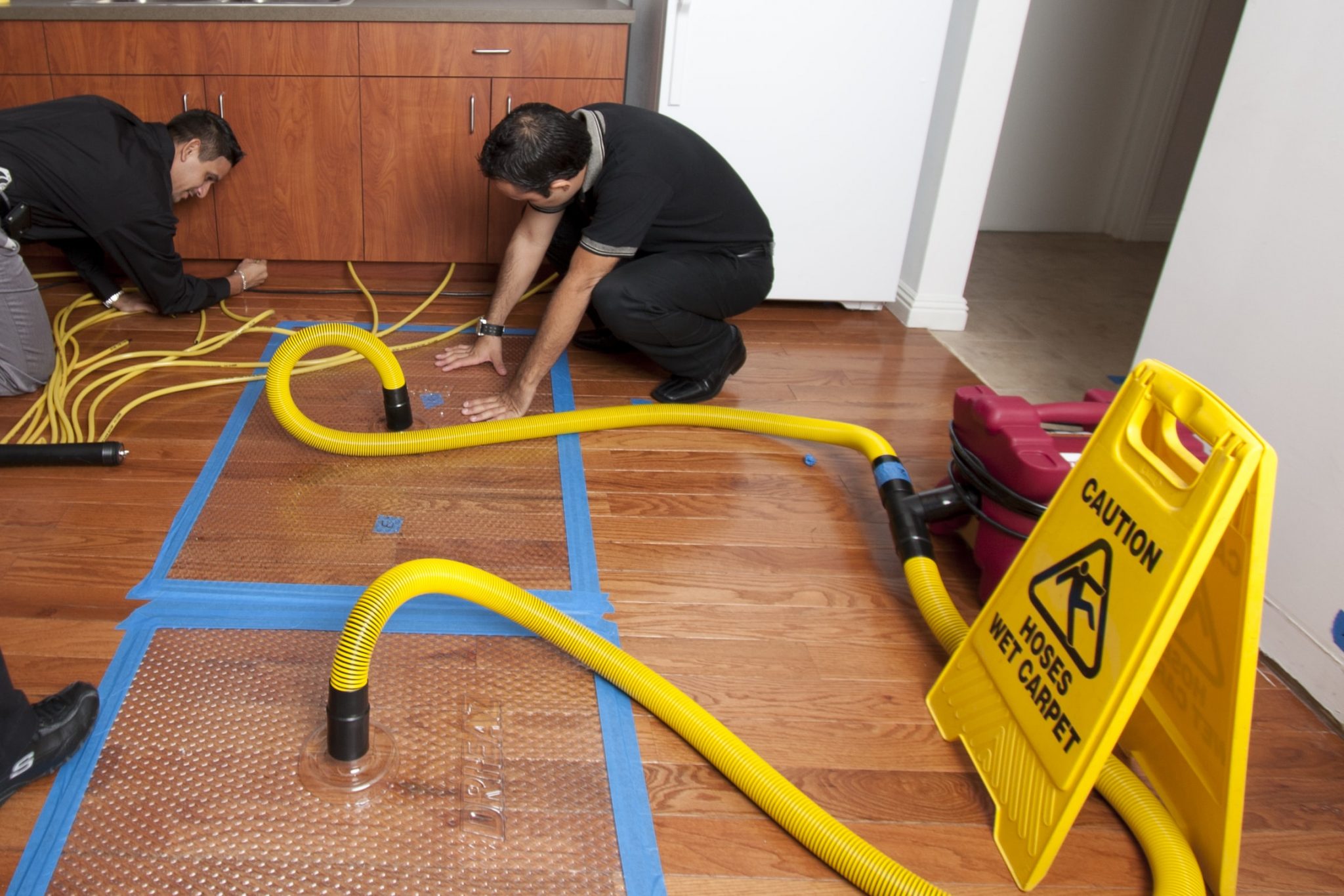
Water Damage: The Benefits of Advanced Drying Techniques
Whenever property is damaged by water, it is essential to dry the structure and all contents as quickly and effectively as possible. In the past, water damage restoration contractors had limited options. Equipment was scarce, inefficient, and far less effective than what is available today. As a result, mitigating water damage and restoring a structure to its pre-loss condition was often unsuccessful.
A common and widely accepted practice was to remove and discard water-damaged carpet, padding, and drywall. These materials were then replaced, painted, and refinished. This process caused long periods of disruption for occupants and resulted in significant expenses for insurance companies and property owners alike.
Today, the science of drying has advanced significantly. With modern technology and professional techniques, water-damaged carpet, padding, and drywall can often be fully restored rather than replaced. This leads to lower claim costs, faster recovery, and far less disruption—allowing occupants to return to their normal routines much sooner.
Modern water extraction equipment is dramatically more effective than the basic vacuum systems used in the past. Testing has shown that advanced extraction tools can pull moisture through carpet and padding, leaving materials damp but not saturated. This makes restoration possible instead of removal. When properly trained water damage restoration professionals use advanced drying techniques, repair costs are reduced and drying times are kept to a minimum.
These improvements eliminate many of the costs associated with older methods, including removing or turning back carpet, discarding and replacing padding, installing new flooring, and prolonged displacement of homeowners or tenants.
Faster drying also significantly reduces the risk of mold and fungal growth. Mold can begin developing within 24 to 48 hours when moisture remains present. Rapid moisture removal helps prevent respiratory irritation, allergic reactions, and other health concerns associated with mold exposure. It also prevents organic decay that can weaken drywall, wood framing, and other structural materials to the point where replacement becomes necessary.
Advanced dehumidification systems remove moisture efficiently, creating conditions where mold and mildew cannot survive. When moisture levels are controlled quickly, mold growth either never begins or stops almost immediately.
Rapid moisture removal also prevents other forms of secondary damage, including irreversible swelling in porous materials such as wood and paper, shrinkage in fabrics like upholstery and draperies, corrosion on metal components such as hinges and door hardware, and damage to electronic equipment caused by elevated humidity levels.
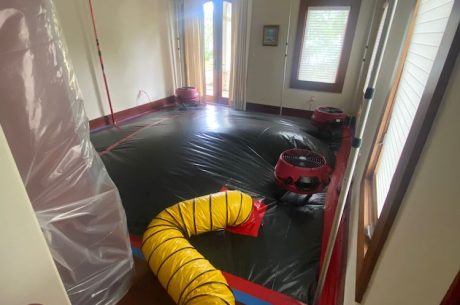
State-of-the-art drying equipment allows a structure and its contents to be returned to a pre-damaged condition as quickly as possible. Low Grain Refrigerant (LGR) dehumidifiers, for example, can reduce relative humidity levels to as low as 10% and remove up to 16 gallons of moisture from the air per day—far outperforming older units that struggled to reach 40% humidity.
In certain conditions, desiccant dehumidifiers are used to achieve extremely low humidity levels and warm drying temperatures. These systems are especially effective in severe or cold environments and are now suitable for both residential and commercial properties.
Another advanced technique involves drying the interior of walls without removing drywall. By removing baseboards and forcing air into wall cavities, moisture can be eliminated in a fraction of the time required by traditional methods. This approach often prevents the need for drywall removal, saving both time and money—especially when water damage originates from upper levels of a structure.
Ultimately, the success of water damage restoration depends on the effectiveness of the professionals performing the work. PuroClean restoration professionals invest in advanced drying technology, ongoing training, and proven methods to remove moisture properly and restore structures and contents efficiently. This results in faster recovery, minimized disruption, and reduced costs for both homeowners and insurance providers.
Rapid drying is critical after water damage because excess moisture creates ideal conditions for mold growth and material deterioration. According to the U.S. Environmental Protection Agency (EPA), mold can begin growing within 24–48 hours when moisture is not properly controlled, increasing health risks and structural damage if drying is delayed. This is why professional water damage restoration using advanced drying techniques is essential to prevent secondary damage and protect indoor air quality.
👉 Outbound authority source: https://www.epa.gov/mold/mold-and-health
If your property has experienced water damage, contact your local PuroClean office—The Paramedics of Property Damage—to ensure advanced drying techniques are used to protect your property and restore it properly.

 PuroClean of Aventura