


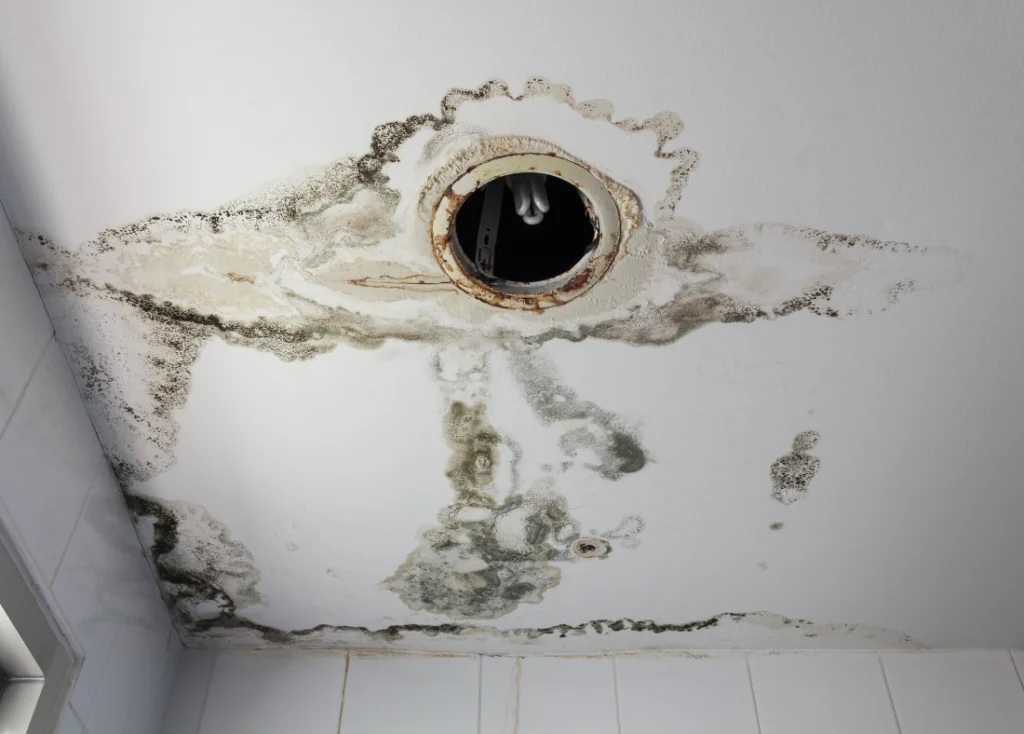
You look up one morning and notice it. A dark, fuzzy patch spreading across your ceiling. Maybe it is near the bathroom exhaust fan, above the shower, or tucked into a corner of the basement. Whatever the location, your first instinct is probably the same: Is this dangerous, or can I just paint over it and move on?
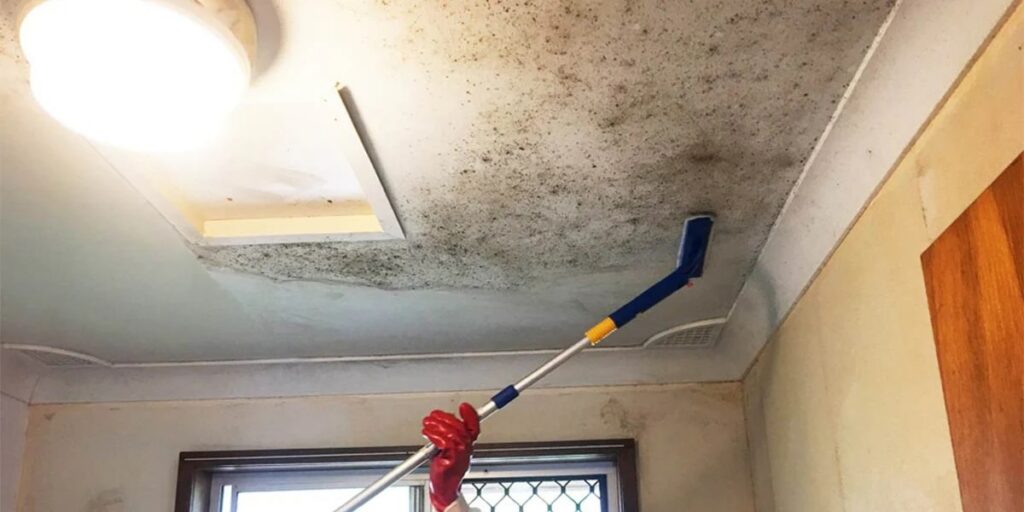
The honest answer is that it depends, but the consequences of getting that answer wrong can be serious. At PuroClean of Baldwin, we have seen firsthand how a small patch of ceiling mold can spiral into a full-blown remediation project when homeowners wait too long or misidentify the problem. This guide is designed to help you understand what you are really dealing with, when to act fast, and when professional help is the only safe path forward.
What Is Ceiling Mold, Really?
Mold is a type of fungus. It reproduces through microscopic spores that float freely through the air inside every home. Under the right conditions, those spores land on a surface, take hold, and begin to grow. The “right conditions” are surprisingly easy to create: moisture, a food source like drywall or wood, and limited airflow.
Ceilings are prime real estate for mold because they are often the last place homeowners look and the first place moisture accumulates. Warm, humid air rises and condenses against cooler ceiling surfaces. Roof leaks, plumbing drips from an upstairs bathroom, and poor attic ventilation all make ceilings vulnerable.
The mold you see on your ceiling may belong to one of several common species:
**Cladosporium** appears olive-green or brown and is one of the most common indoor molds. It can grow in cooler temperatures and tends to colonize around HVAC vents and window frames.
**Penicillium** is blue-green and often appears velvety. It spreads rapidly and is frequently found after water damage events. Some species of Penicillium are known allergens.
Read Also:Mold on Ceiling: How to Treat Mold on Ceiling
**Aspergillus** comes in many colors and is one of the most widespread molds on the planet. Certain strains can be hazardous to people with weakened immune systems.
**Stachybotrys chartarum**, often called black mold, is dark greenish-black and grows primarily on materials with high cellulose content like drywall, ceiling tiles, and wood. It requires sustained moisture over time, which is why it tends to appear after prolonged leaks or flooding.
Here is the important caveat: you cannot identify mold species by color alone. Only laboratory testing can confirm what you are dealing with. That slimy black patch could be Stachybotrys, or it could be a far less threatening species. Conversely, a white or green patch might look harmless but could still pose risks depending on who lives in your home.
Is Ceiling Mold Dangerous?
This is the question everyone wants answered. The truthful response is: it can be, and you should not assume it is not.
Health Risks Associated With Indoor Mold
The Centers for Disease Control and Prevention (CDC) and the Environmental Protection Agency (EPA) both acknowledge that mold exposure can cause a range of health problems, particularly in sensitive individuals. Common symptoms include:
– Nasal and sinus congestion
– Throat irritation
– Coughing or wheezing
– Eye irritation and redness
– Skin rashes
– Headaches
– Fatigue
For most healthy adults, these symptoms are uncomfortable but manageable. However, mold exposure becomes significantly more dangerous for certain groups:
**Children** whose immune systems and respiratory systems are still developing are more vulnerable to mold-related health effects. Repeated exposure has been linked to the development of asthma in young children who might not otherwise have developed the condition.
**Elderly individuals** face greater risk because immune function naturally decreases with age. Respiratory infections that would be minor in younger adults can become serious.
**People with asthma or chronic respiratory conditions** may experience severe flare-ups from mold exposure. Even low levels of mold spores in the air can trigger significant breathing difficulties.
**Immunocompromised individuals** including those undergoing chemotherapy, organ transplant recipients, and people with HIV/AIDS face the greatest danger. In these cases, certain mold species can cause invasive infections that are life-threatening.
The Mycotoxin Question
Some molds, particularly Stachybotrys chartarum, produce compounds called mycotoxins. These are toxic substances that can cause more severe health effects than simple allergic reactions. The science around mycotoxin exposure in residential settings is still evolving, but there is legitimate concern, especially in cases of widespread, long-term mold growth.
The key point: you should not attempt to determine whether your ceiling mold is producing mycotoxins by looking at it. Professional testing is the only way to know.
When Is Ceiling Mold “Just Cosmetic”?
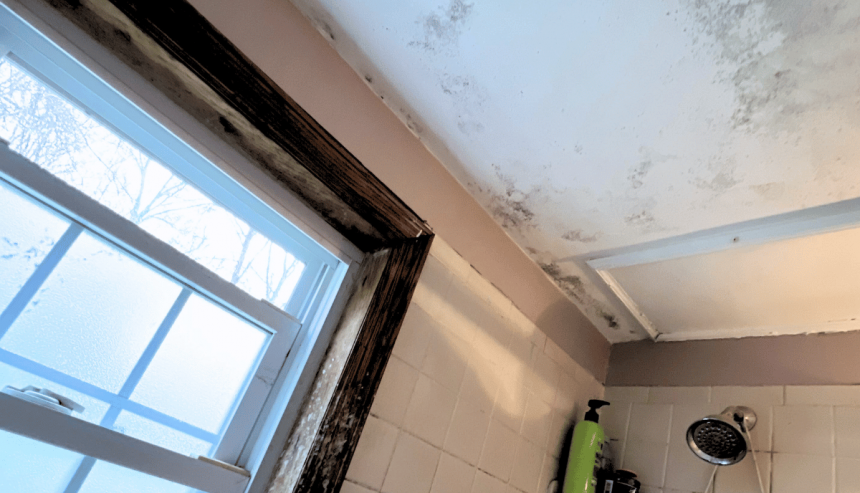
To be direct, truly cosmetic mold is rare. What most people call cosmetic mold is surface-level discoloration that has not yet penetrated building materials or spread significantly. However, even this situation deserves attention, not dismissal.
There are scenarios where the risk is relatively contained:
**Small, isolated spots in a well-ventilated area** where the moisture source has been definitively resolved. An example: a small ring of mold around a bathroom exhaust fan that had a brief clog, now fixed, in a bathroom used by healthy adults.
**Surface mold on non-porous materials** like ceramic tile or glass can sometimes be cleaned without professional intervention, because the mold has not had the chance to colonize deep into porous materials.
Even in these lower-risk situations, the underlying moisture problem must be addressed first. Cleaning mold without fixing the cause is like mopping a floor while the faucet is still running. The mold will return.
When Is Ceiling Mold Dangerous? Red Flags to Watch For
Certain situations move ceiling mold firmly into the “dangerous” category and require professional remediation rather than a DIY cleaning attempt.
1. The Affected Area Is Larger Than 10 Square Feet
The EPA’s guidelines recommend that mold covering more than 10 square feet be handled by a professional remediation company. At that scale, disturbing the mold during cleanup can release a large volume of spores into your indoor air, making conditions worse before they get better.
2. The Mold Keeps Coming Back
If you have cleaned a mold patch once or twice and it returns within weeks, the mold has almost certainly penetrated behind your ceiling surface. Surface cleaning does not address colonization inside drywall, insulation, or structural framing. What you are seeing is the visible tip of a larger problem.
3. You Notice a Musty Smell Without Visible Mold
A persistent musty odor without obvious visible mold growth often means the mold is hiding inside your ceiling or walls. This is arguably more dangerous than visible surface mold because it can grow unchecked for months without discovery.
4. There Has Been a Recent Water Event
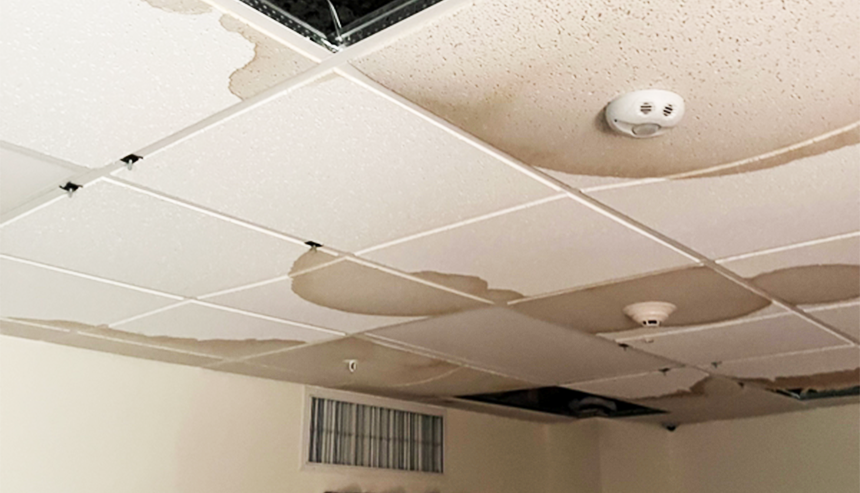
Roof leaks, burst pipes, HVAC condensation issues, or any event that introduced significant moisture to your ceiling creates ideal mold growth conditions within 24 to 48 hours. If you have had water intrusion and your ceiling has not been properly dried, professional inspection is warranted even if you do not yet see visible mold.
5. Anyone in the Home Is Experiencing Unexplained Health Symptoms
If family members are experiencing persistent respiratory symptoms, allergy-like reactions, or fatigue without another clear cause, mold should be on the list of possibilities to investigate. Do not wait until the mold colony is large and obvious before taking action.
6. The Building Is Older
Homes built before the 1980s may have ceilings containing asbestos-containing materials. Disturbing these materials during mold remediation without proper precautions can release asbestos fibers, which carry their own serious health risks. In older homes, always consult a professional before touching ceiling mold.
Why DIY Mold Removal Often Makes Things Worse
It is tempting to grab a bottle of bleach, scrub the ceiling, and consider the problem solved. Many homeowners in Baldwin and across Long Island do exactly this. Unfortunately, DIY mold removal has significant limitations that can make the overall situation worse.
**Bleach does not penetrate porous materials.** On surfaces like drywall, bleach kills mold on the outermost layer but does not reach the roots (called hyphae) embedded within the material. The mold regrows from within, often within a few weeks.
**Scrubbing releases spores.** Every time you disturb a mold colony without proper containment measures, you send thousands of spores airborne. Those spores travel through your HVAC system and settle in new locations, potentially creating new colonies throughout your home.
**Without the right protective equipment, you are exposed.** Professional remediators wear N95 or higher respirators, gloves, and protective suits. Most homeowners clean mold in regular clothing, exposing themselves to concentrated mold spores and cleaning chemicals simultaneously.
Read Also: Why Your House Smells Musty (And When It’s a Serious Problem)
You may miss the full extent of the problem.** Professional remediators use moisture meters, infrared cameras, and air quality testing equipment to understand where moisture is hiding and how far the mold has spread. Without these tools, you may clean a visible patch while leaving significant hidden mold untouched.
What Professional Mold Remediation Actually Involves
When you call PuroClean of Baldwin for ceiling mold, here is what you can expect from a professional remediation process:
**Inspection and assessment:** We begin by identifying all affected areas, tracing moisture sources, and determining the extent of mold growth using advanced detection equipment. This gives us a complete picture before any remediation begins.
**Containment:** Before disturbing mold, we set up containment barriers using plastic sheeting and negative air pressure to prevent spores from spreading to unaffected areas of your home during the cleanup process.
**Air filtration:** HEPA air scrubbers run continuously during remediation, capturing airborne spores and improving indoor air quality.
**Removal of affected materials:** Drywall, insulation, and other porous materials that cannot be effectively cleaned are safely removed and disposed of following industry and regulatory guidelines.
**Cleaning and treatment:** Non-porous surfaces are cleaned using EPA-registered antimicrobial agents designed specifically for mold remediation.
**Drying:** Any remaining moisture is addressed using industrial-grade dehumidifiers and air movers to create conditions that prevent mold from returning.
**Clearance testing:** After remediation is complete, post-remediation verification confirms that mold levels have returned to normal, acceptable ranges. This step is critical for your peace of mind and for insurance documentation purposes.
**Restoration:** Once clearance is achieved, we can handle the reconstruction phase, including replacing drywall and repainting, so your home is returned to pre-loss condition.
Preventing Ceiling Mold: Practical Steps for Baldwin Homeowners

Prevention is always less expensive than remediation. Here are the most effective strategies for keeping your ceilings mold-free:
**Control indoor humidity.** The EPA recommends keeping indoor relative humidity between 30 and 50 percent. Use dehumidifiers in basements and humid areas, and run bathroom exhaust fans during and for at least 20 minutes after showers.
**Fix leaks promptly.** Roof leaks and plumbing issues should be addressed within 24 to 48 hours to stay ahead of mold’s growth timeline. Even a slow drip from an upstairs bathroom is enough to feed a ceiling mold colony over time.
**Improve attic ventilation.** Poor attic ventilation leads to heat buildup, which creates condensation on your ceiling surface when temperatures fluctuate. Proper ridge and soffit venting keeps airflow moving and reduces moisture accumulation.
**Insulate properly.** Cold spots on ceilings, often caused by insufficient insulation, create condensation points where warm indoor air meets cold surfaces. Addressing insulation gaps reduces this risk.
**Inspect your home seasonally.** Long Island winters and humid summers both create conditions favorable to mold growth. A seasonal visual inspection of ceilings, particularly in bathrooms, laundry rooms, kitchens, and basement areas, can catch problems early.
**Check HVAC systems.** Your air conditioning and heating systems can both introduce moisture and circulate mold spores throughout your home if not properly maintained. Annual HVAC maintenance includes checking drain pans, condensate lines, and filter condition.
Read Also: How to Get Rid of Mold on a Bathroom Ceiling
Mold on Ceiling After a Roof Leak: A Common Baldwin Scenario
Given the mix of older homes and variable weather that characterizes the Baldwin area, roof leak-related ceiling mold is among the most common calls we receive. After a significant storm or a winter with heavy ice damming, homeowners often discover ceiling stains that later develop into mold colonies.
The challenge with post-leak mold is that the visible water stain on your ceiling is rarely the full extent of the moisture intrusion. Water follows the path of least resistance through your roof deck, insulation, and ceiling material. By the time you see a stain, moisture may have spread several feet beyond the discolored area.
This is why professional inspection after any roof leak is strongly recommended. What appears to be a one-square-foot problem on the surface is frequently a much larger hidden moisture issue that creates the conditions for widespread mold growth.
Trusting the Experts at PuroClean of Baldwin
PuroClean of Baldwin has served homeowners and businesses across Baldwin and the surrounding Nassau County communities for years. Our technicians are trained to IICRC (Institute of Inspection, Cleaning and Restoration Certification) standards, which represent the industry’s highest benchmarks for mold remediation practice.
We understand that discovering mold in your home is stressful. Questions about health risks, costs, insurance coverage, and how long the process takes are completely normal. Our team is committed to transparent communication at every step. We will explain what we find, what we recommend, and why, in plain language you can understand and act on.
We also work directly with most major insurance carriers, which can significantly reduce the out-of-pocket burden of remediation when the mold is connected to a covered event like a roof leak or burst pipe.
In Conclusion: Do Not Assume It Is Cosmetic
Ceiling mold occupies a wide spectrum from mildly concerning to genuinely dangerous, but it is never truly harmless. Even a small, isolated patch is a signal that moisture conditions in your home are off, and that signal deserves attention rather than a coat of paint.
The risks of dismissing ceiling mold as cosmetic include ongoing structural damage to your home, worsening health symptoms for vulnerable family members, and a much larger (and more expensive) remediation project down the road.
If you have noticed mold on your ceiling, or if you have experienced water intrusion and are concerned about what might be growing out of sight, reach out to PuroClean of Baldwin for a professional assessment. Early action is always the most cost-effective and health-protective choice.
PuroClean of Baldwin: Serving Baldwin, Freeport, Merrick, Rockville Centre, and surrounding Nassau County communities.
Available 24/7 for emergency water, fire, and mold restoration services.
Call us today for a professional mold inspection and remediation consultation.
Disclaimer: This blog post is intended for educational purposes. Individual mold situations vary significantly. Always consult a certified mold remediation professional for an accurate assessment of your specific circumstances.
Connect With Us on Social Media!
Facebook | Instagram | Twitter | NextDoor | Pinterest | Google Reviews | LinkedIn | Tiktok | YouTube


