 PuroClean of Bartlett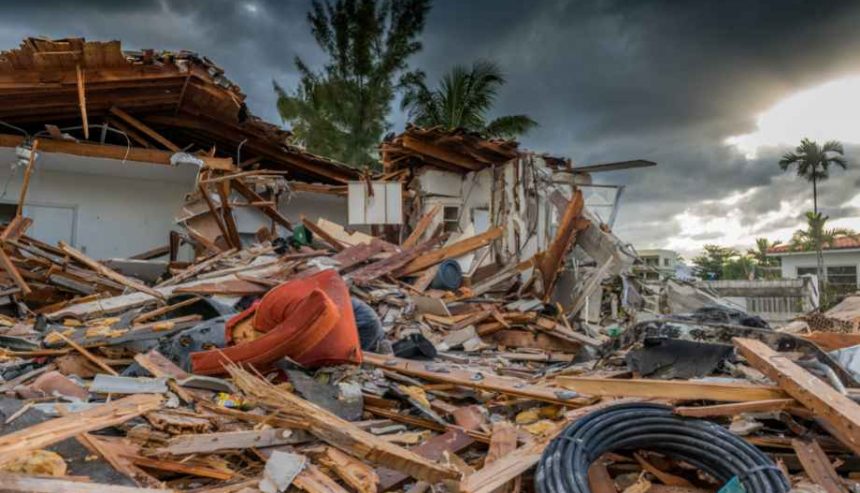
Costly errors that can make recovery harder — and how to avoid them
Disasters rarely give warnings. Whether it’s a house fire, basement flood, severe storm, or sewage backup, property damage can happen fast and leave homeowners overwhelmed. In Bartlett, IL, seasonal storms, freezing winters, and aging infrastructure can all contribute to unexpected disasters that require immediate cleanup.
During these stressful moments, many homeowners make decisions that seem logical at the time but end up causing more damage, higher costs, and longer recovery periods. If you ever face property damage, knowing what not to do can be just as important as knowing the right steps.
Here are the most common disaster cleanup mistakes Bartlett homeowners should avoid — and how to recover the right way.
Mistake #1: Waiting Too Long to Start Cleanup
One of the biggest mistakes after a disaster is delaying the cleanup process. Whether it’s waiting for insurance approval or hoping damage isn’t as bad as it looks, time is not on your side.
Why delays are dangerous:
- Mold can begin forming within 24–48 hours after water exposure
- Smoke odors become harder to remove over time
- Structural materials weaken quickly when saturated
The sooner mitigation begins, the more of your home and belongings can be saved. Fast action often means lower repair costs and fewer long-term issues.
Mistake #2: Attempting Major Cleanup Yourself
It’s natural to want to take control after a disaster, especially when you’re worried about costs. However, DIY cleanup often leads to bigger problems later.
Many disasters involve hidden hazards like:
- Contaminated water
- Toxic soot particles
- Electrical risks
- Structural instability
Without professional equipment and safety protocols, homeowners can unknowingly expose themselves to health risks and miss underlying damage that worsens over time.
Mistake #3: Not Understanding the Type of Damage
Not all disasters are the same. Water damage from a broken pipe is very different from floodwater contamination. Fire damage isn’t just burned materials — smoke and soot travel throughout the property.
Misjudging the type of damage can lead to:
- Improper cleaning methods
- Cross-contamination
- Mold outbreaks
- Lingering odors
Professional assessments identify the category and severity of damage so the right cleanup strategy is used from the start.
Mistake #4: Throwing Everything Away Too Quickly
After a disaster, many homeowners assume everything is ruined. While some materials must be discarded, trained restoration teams can often salvage more than expected.
Items that are sometimes recoverable:
- Hardwood flooring
- Cabinets
- Upholstery
- Documents and photos
Prematurely disposing of belongings can increase emotional stress and insurance complications. Restoration experts know how to evaluate what can be saved and what truly needs replacement.
Mistake #5: Skipping Proper Documentation
In the chaos of a disaster, documentation might feel like a low priority. But failing to record damage properly can create major issues with insurance claims.
Always document:
- Damaged areas and belongings
- Standing water or structural damage
- Serial numbers of appliances
- Receipts for emergency repairs
Detailed documentation strengthens your insurance claim and helps ensure you receive the compensation you’re entitled to.

Mistake #6: Ignoring Hidden Moisture or Smoke Damage
Even when surfaces appear dry or clean, hidden damage can linger behind walls, under flooring, and inside HVAC systems.
Common hidden threats include:
- Moisture trapped in insulation
- Smoke residue in air ducts
- Mold inside wall cavities
- Warped subflooring
Professional moisture mapping and air quality testing are critical to ensuring your home is truly safe after a disaster.
Mistake #7: Choosing the Cheapest Cleanup Option
After experiencing property damage, it’s understandable to want to save money. But choosing the lowest-cost cleanup provider can backfire if the job isn’t done thoroughly.
Risks of low-cost restoration:
- Incomplete drying
- Lack of proper sanitation
- No insurance documentation
- Future mold remediation costs
A reputable company like PuroClean focuses on doing the job correctly the first time, which often saves money in the long run.
Mistake #8: Overlooking Health Risks
Disasters don’t just damage property — they can impact your health. Smoke particles, mold spores, and contaminated water can all create unsafe living conditions.
Potential health concerns:
- Respiratory irritation
- Allergic reactions
- Bacterial exposure
- Long-term indoor air quality issues
Professional cleanup ensures contaminants are properly removed, protecting both your property and your family’s well-being.
Mistake #9: Not Planning for Temporary Living Arrangements
Depending on the severity of the damage, staying in your home may not be safe during cleanup and restoration. Many homeowners underestimate how long repairs can take.
Planning ahead helps reduce stress:
- Discuss timelines with restoration professionals
- Check insurance coverage for temporary housing
- Prepare essential documents and belongings
Having a plan in place makes the recovery process smoother and less overwhelming.
Mistake #10: Waiting Until the Next Disaster to Prepare
Many homeowners don’t think about disaster preparedness until after they’ve experienced one. But taking proactive steps now can prevent future headaches.
Smart preparation tips:
- Know where your main water shut-off valve is
- Schedule regular home inspections
- Maintain gutters and drainage systems
- Review your insurance policy annually
Preparation won’t prevent every disaster, but it can significantly reduce the damage and speed up recovery.
Final Thoughts
Recovering from a disaster is never easy, but avoiding common cleanup mistakes can make a huge difference in how quickly and safely you bounce back. Acting fast, relying on experienced professionals, and making informed decisions can protect your home, finances, and health.
In Bartlett, IL, where weather and seasonal challenges can increase the risk of property damage, being prepared and informed is key. Disasters may be unpredictable, but your response doesn’t have to be.
By understanding these common pitfalls and knowing what steps to take, you’ll be better equipped to handle the unexpected — and ensure your home is restored properly when it matters most.

 PuroClean of Bartlett