 PuroClean of Bartlett
What really happens after water invades your home — and why fast action matters
Water damage is one of the most stressful problems a homeowner can face. Whether it’s caused by a burst pipe, appliance failure, storm flooding, or a hidden leak, water spreads quickly and quietly destroys everything in its path. Many Bartlett homeowners don’t realize how complex water damage repair truly is until they’re in the middle of it.
If you’ve ever wondered what actually happens during a professional restoration job, here’s an inside look at how water damage repair works in Bartlett, IL — and why acting fast makes all the difference.
Step 1: Emergency Response and Inspection
Water damage restoration starts the moment professionals arrive on-site. Time is critical. In many cases, mold can begin forming within 24–48 hours, and structural materials weaken quickly when saturated.
During the initial inspection, technicians assess:
- The source of the water
- The category (clean, gray, or black water)
- The extent of structural damage
- Moisture spread behind the walls and the flooring
Using thermal imaging cameras and moisture meters, experts detect hidden water pockets that aren’t visible to the eye. This step ensures the restoration plan is thorough and prevents future issues like mold growth or wood rot.
Step 2: Water Extraction
Once the inspection is complete, the next step is removing standing water. Industrial-grade extraction equipment is used to remove large volumes of water quickly.
Depending on the severity, crews may use:
- Truck-mounted extraction systems
- Submersible pumps
- Wet vacuums for tight areas
The faster water is removed, the more materials can be saved — including flooring, drywall, and furniture. Delayed extraction often leads to higher repair costs and deeper structural damage.
Step 3: Removing Damaged Materials
Not everything can be saved after water exposure. Porous materials like insulation, carpet padding, and certain types of drywall absorb water rapidly and may need removal.
This stage often surprises homeowners, but it’s necessary to:
- Prevent mold growth
- Eliminate trapped moisture
- Create a clean environment for drying
Technicians carefully remove unsalvageable materials while protecting areas that can be restored. Proper containment also prevents dust and contaminants from spreading throughout the home.
Step 4: Professional Drying and Dehumidification
After extraction and demolition, the real science begins: drying the structure.
Professionals use specialized equipment such as:
- High-velocity air movers
- Commercial dehumidifiers
- Desiccant drying systems
These tools create controlled airflow and humidity levels to pull moisture from walls, subfloors, and structural framing. Daily moisture readings track progress and ensure the home dries evenly.
This phase typically takes several days, depending on the severity of the damage. Rushing the process can lead to long-term structural issues, which is why professional monitoring is essential.
Step 5: Cleaning and Sanitizing
Water damage isn’t just about moisture — it’s also about contamination. Even clean water can become unsafe if left untreated.
Cleaning and sanitation may include:
- Antimicrobial treatments
- Odor removal
- Air purification
- Surface disinfection
If gray or black water is involved (such as sewage backups), this step becomes even more critical. Proper sanitation protects your family’s health and ensures your home is safe to inhabit again.
Step 6: Restoration and Repairs
The final step is rebuilding what was damaged. Restoration can range from minor repairs to full reconstruction, depending on the severity of the loss.
Typical restoration work includes:
- Drywall replacement
- Flooring installation
- Painting and refinishing
- Cabinet or trim repairs
A full-service company like PuroClean of Bartlett helps streamline this process by handling both mitigation and reconstruction, reducing stress and speeding up recovery.
Why Local Experience Matters in Bartlett, IL
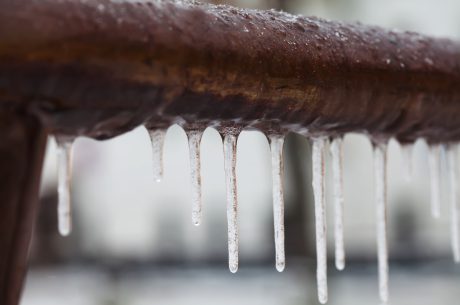
Water damage in Bartlett homes often comes from seasonal storms, frozen pipes, and aging plumbing systems. Local restoration teams understand:
- Midwest humidity challenges
- Winter freeze-thaw cycles
- Regional building materials
This local knowledge allows for faster response times and more accurate restoration strategies tailored to Bartlett properties.
The Hidden Risks of DIY Water Damage Cleanup
Many homeowners initially try to handle water damage themselves, especially after minor leaks. While DIY cleanup might seem cost-effective, it often leads to bigger problems later.
Common DIY risks include:
- Missing hidden moisture
- Improper drying
- Mold growth weeks later
- Insurance claim complications
Professional restoration ensures moisture is fully eliminated and documentation is available for insurance purposes.
How Insurance Fits Into the Process
Water damage claims can feel overwhelming, especially when you’re already dealing with property damage. Restoration professionals often assist by:
- Documenting damage with photos and reports
- Providing moisture readings
- Communicating with adjusters
Having detailed documentation helps streamline claims and improves the chances of a smoother reimbursement process.
Final Thoughts
Water damage repair is far more involved than simply drying out a room. From inspection and extraction to structural drying and full restoration, every step plays a vital role in protecting your home and health.
If you’re dealing with water damage in Bartlett, IL, the most important thing to remember is this: speed matters. The sooner restoration begins, the more of your home you can save — and the less costly the repairs will be.
Understanding what happens behind the scenes not only prepares you for the process but also helps you make confident decisions during an already stressful time. And when water strikes unexpectedly, having a clear plan can make all the difference in restoring both your home and your peace of mind.


 PuroClean of Bartlett