 PuroClean of Bartlett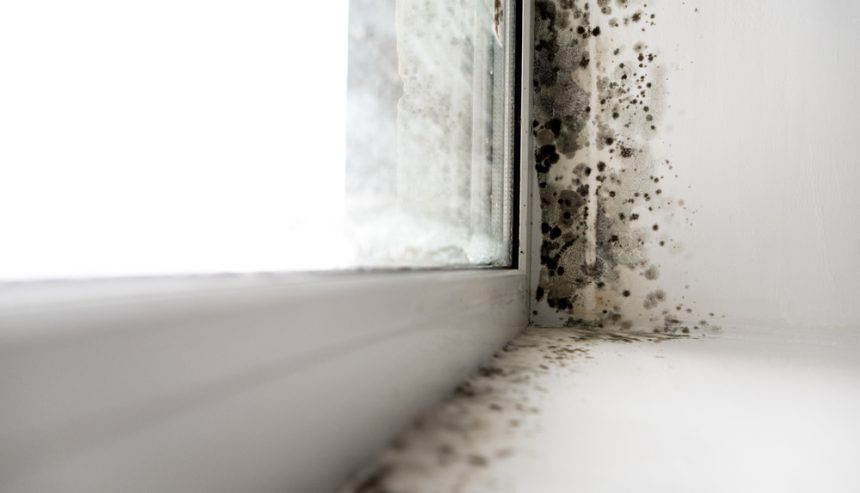
Mold might start small, but in Bartlett, IL homes it rarely stays that way for long. Between seasonal humidity, heavy rains, and occasional plumbing or roof leaks, moisture can find its way into a home and quietly create the perfect environment for mold growth. What many homeowners don’t realize is how quickly that small patch can turn into a much larger problem affecting both the structure of the house and the air people breathe.
Understanding why mold should never be ignored is the first step in preventing costly repairs and long-term health concerns.
Mold Is Usually a Sign of a Bigger Moisture Problem
One of the biggest misconceptions about mold is that it is the main issue. In reality, mold is almost always a symptom of an underlying moisture problem.
That moisture could come from:
- A slow plumbing leak behind a wall
- Roof damage allowing rainwater in
- Poor drainage around the foundation
- Basement humidity issues
- Condensation from HVAC systems
In Bartlett homes, basements are especially vulnerable due to groundwater pressure and seasonal humidity shifts. If mold is visible, there is often hidden moisture feeding it somewhere nearby.
It Spreads Faster Than Most Homeowners Expect
Mold doesn’t stay in one place for long. Once it begins growing, it releases microscopic spores into the air that travel through the home. These spores settle on new surfaces and start new colonies wherever conditions are right.
What starts in a small bathroom corner or basement wall can eventually spread into:
- HVAC duct systems
- Attic insulation
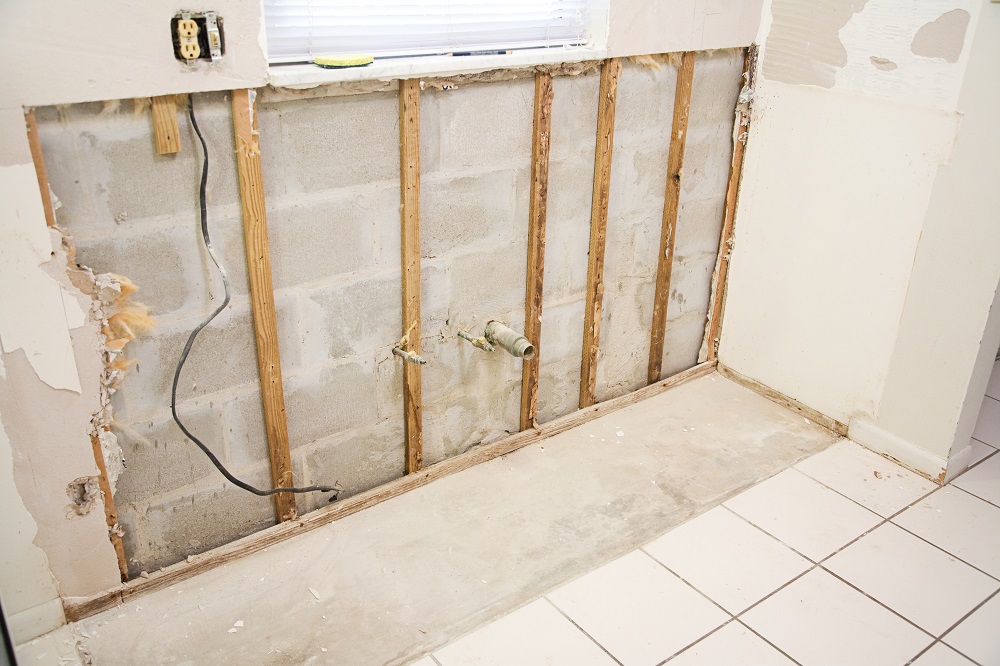
- Behind drywall
- Under flooring and carpet
Because it spreads invisibly at first, homeowners often underestimate how far it has already traveled until the damage becomes obvious.

Hidden Mold Can Quietly Damage a Home
Even when mold is not visible, it can still cause serious damage behind the scenes. As it grows, mold feeds on organic building materials like wood and drywall, slowly breaking them down.
Over time, this can lead to:
- Weakening of structural materials
- Warped drywall and flooring
- Permanent staining and odor absorption
- Deterioration of insulation and wood framing
The longer it is left untreated, the more extensive—and expensive—the repair process becomes.
Indoor Air Quality Can Be Affected
Mold is not just a surface issue; it directly affects the air inside a home. As spores circulate through HVAC systems, they can spread throughout every room.
This can lead to noticeable indoor air quality changes, such as:
- A persistent musty odor
- Increased dust-like particles in the air
- Lingering damp or earthy smells in closed rooms
In some cases, homeowners may not even see mold but still experience these air quality issues.
Health Symptoms Often Go Unnoticed at First
One of the reasons mold problems should never be ignored is because health effects can develop gradually. Many people don’t immediately connect symptoms to mold exposure.
Common reactions may include:
- Sneezing or sinus irritation
- Itchy eyes or throat discomfort
- Worsening allergy symptoms indoors
- Coughing or mild breathing issues
- Headaches or general fatigue in some cases
Individuals with asthma, allergies, or weakened immune systems tend to be more sensitive. Children and older adults are also more at risk.
DIY Cleaning Often Doesn’t Solve the Real Problem
It’s tempting to treat visible mold with household cleaners and assume the issue is resolved. However, surface cleaning rarely addresses what’s happening underneath.
Mold often penetrates porous materials like drywall and wood, which cannot be fully cleaned without professional methods. Even when surfaces look clean, hidden spores may still remain and continue spreading.
Without identifying and fixing the moisture source, mold is likely to return.
Delaying Action Makes Remediation More Complex
Time plays a major role in how serious a mold problem becomes. In the early stages, remediation may be relatively contained. But as time passes, mold can spread into multiple areas of a home, increasing the scope of removal and repair work.
Delaying action can result in:
- Larger affected areas
- Higher restoration costs
- More materials needing removal
- Longer repair timelines
In Bartlett’s climate, where humidity can fluctuate throughout the year, mold can reactivate even after short periods of inactivity if moisture remains present.
Why Professional Assessment Matters
Because mold often hides behind walls and spreads through air systems, a professional inspection is usually needed to fully understand the extent of the problem.
Proper assessment focuses on:
- Identifying moisture sources
- Locating hidden growth areas
- Measuring humidity levels
- Determining contamination spread
This helps ensure the problem is not just treated on the surface but addressed at its source.
Final Thoughts
Mold problems in Bartlett, IL homes should never be ignored because they rarely stay small. What begins as a minor moisture issue can quickly become a widespread contamination problem affecting both property and health.
Early attention, proper identification, and addressing the root cause of moisture are key to preventing long-term damage. The sooner mold is taken seriously, the easier it is to control—and the safer the home remains. PuroClean of Bartlett is available to help homeowners address mold issues quickly and restore a safe, healthy living environment.

 PuroClean of Bartlett