 PuroClean of Bloomfield Hills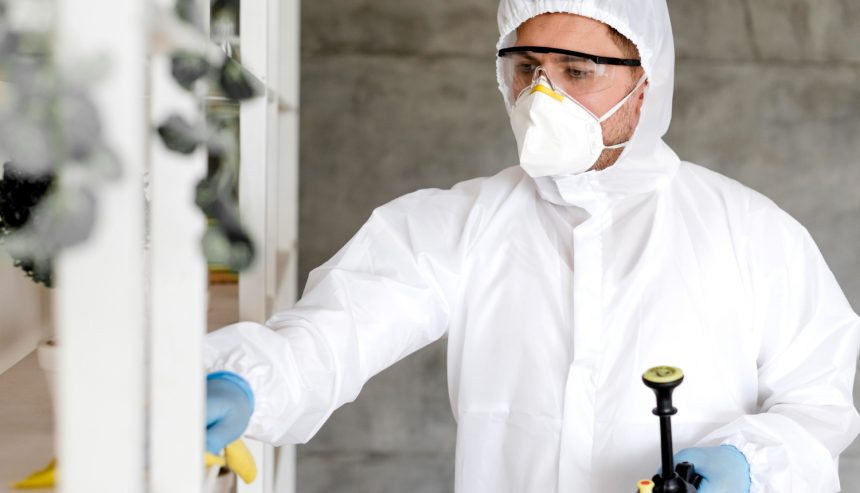
Mold doesn’t always leave obvious marks. Sometimes, there’s no black streak along the wall or fuzzy patches on the ceiling. Instead, it can hide quietly behind surfaces or deep in places where no one ever thinks to look. That’s one of the reasons why we rely on professional mold testing services, not to check something that’s obvious, but to confirm what can’t be seen.
Michigan homes deal with winter-related moisture in all kinds of ways. Melted snow, ice-damaged roofs, and even slow pipe leaks can all leave water trapped in places that go unnoticed. As winter draws to a close, the way temperatures shift between frozen and thawed starts to create ideal conditions for mold to spread. If it’s there, it needs to be found early, so repairs don’t drag into spring.
Why Mold Is Hard to Spot Without Testing
Mold likes quiet, closed spaces. It doesn’t need natural light and it grows just fine in places that don’t get touched during day-to-day life. That means walls, attics, crawlspaces, and even floor cavities are all fair game.
Moisture after a leak or flood doesn’t always dry out completely. Wet insulation or damp wood may not ring any alarms right away but can quickly become a place where spores settle.
Some signs are easier to notice than others. You might catch a musty smell or feel like the air feels heavy in certain rooms. Maybe drywall feels soft when pressed, or wood near windows starts to warp. But none of those are clear proof of mold. They just suggest that something might be going on under the surface.
That’s why surface testing alone often isn’t enough. Without the right tools, hidden water damage can stay untouched long enough to become an expensive problem.
Risks of Waiting for Visible Mold to Appear
By the time you see mold spots, there’s usually more going on than just surface staining. What’s under the floor or behind the wall has already started breaking down.
Certain materials don’t bounce back once mold sets in. Drywall turns soft and crumbly, while wood framing can start to lose its shape. The longer mold grows, the deeper it spreads and the more parts of your property are affected.
Waiting also makes drying harder. It gives mold a chance to move into hidden gaps where ventilation can’t reach. That means more tearing out and rebuilding for us when it’s time to restore the structure.
Here’s what usually happens when mold is left to grow unseen:
• Walls may need to be fully opened to find the full spread
• Subflooring often holds extra moisture that calls for careful removal
• Insulation, once soaked and moldy, usually has to be discarded
Everything takes longer when the problem is bigger. Checking for mold before it shows up on the surface helps avoid that extra step.
What Testing Can Reveal During Late Winter and Early Spring
Michigan’s late winter and early spring come with temperature swings. Warm spells might lead to ice dams on roofs or open up cracks in exterior walls. All of that lets moisture sneak into building materials.
Even a week of warm, damp weather can be enough to activate old spores or bring moisture levels high enough for new ones to settle. That’s where testing comes in.
With professional mold testing services, we can find out if mold is active in areas that are still closed off. We look for signs by measuring things most people can’t see or feel. Just a drop in temperature behind a wall or a slight difference in particle levels can help focus restoration more accurately.
Tests do not require tearing down walls or ripping up floors. They let us plan the work without creating extra problems. That way, if restoration is needed, it starts with clear direction and no guessing.
Choosing the Right Conditions for Safe Restoration
Restoration works best when it’s based on facts, not just symptoms. With testing, we can target exactly where repairs are needed instead of responding to surface-level signs.
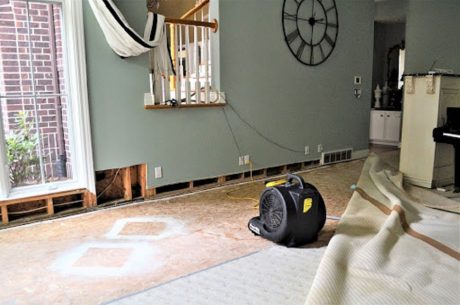
Before we remove drywall or open up flooring, we want to know what’s behind it. If spores are active, we have to make sure they don’t move into clean areas during work. This means sealing off spaces, managing airflow, and removing damaged pieces with care.
Testing gives us the green light on where to begin and helps shape the cleanup from beginning to end. It also saves usable materials by showing us what actually needs to come out and what just needs drying.
The goal with every job is to restore the space to a safe and usable condition. Here’s how testing supports that:
• Tells us which spaces need to be isolated before cleanup work
• Helps protect surrounding materials from cross-contamination
• Supports smarter drying and cleaning instead of unnecessary demo
Without testing, we’re flying blind. With it, we restore smarter and faster.
Restoring Peace of Mind Before Spring Arrives
Winter leaves behind more than snow piles. It leaves behind water inside walls, melted runoff under floors, and damp air in quiet spaces. By late January, that moisture starts to create problems most people can’t see.
Even without stains or discoloration, mold might already be active. By testing early, damage can be traced and addressed before spring humidity makes it worse. The sooner we know where moisture is quietly building up, the easier it is to restore the property without surprise problems halfway through repairs.
Clear answers from testing bring confidence that nothing was missed. And that peace of mind makes a big difference when snow starts to melt and spring’s messes begin to show.
Moisture damage can go unnoticed until it leads to bigger issues, especially with the challenging weather conditions we often experience in Michigan. That’s why our team at PuroClean of Bloomfield Hills begins each restoration project with a thorough inspection, using advanced tools to uncover problems hidden behind walls or beneath floors. For accurate identification and effective repair, we rely on clear answers from our professional mold testing services. Reach out today to get trusted solutions and peace of mind for your property.


 PuroClean of Bloomfield Hills