 PuroClean of Bloomfield Hills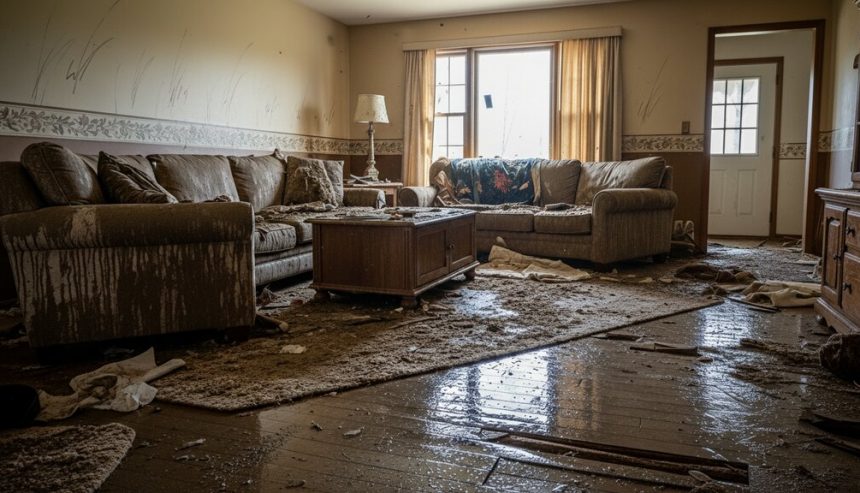
After Michigan’s long winter, many homeowners start to see water the moment the ground begins to thaw. What often catches people off guard is just how fast that water can soak into rooms. When several areas in a house are affected, the first question becomes simple: how much is this going to cost?
Getting a flood cleanup estimate depends on more than square footage. It’s based on what kind of water entered the space, how far it spread, and what materials were left damaged. If you’ve never experienced a flood inside your home, the process can seem confusing. Knowing how cleanup estimates are made can make the entire situation feel a bit more manageable, especially when your space already feels upside-down.
Checking the Type of Water and Where It Spread
Not all water is treated the same once it gets inside. We always start by identifying the kind of water we’re working with, because that changes how cleanup needs to happen. Here’s how we look at it:
- Clean water might come from a broken pipe or overflowed sink. It’s the easiest to manage.
- Gray water may have come from appliances like dishwashers or washing machines. It can cause more damage.
- Black water can include water from outside or sewage backups. It’s the most serious and usually calls for deeper cleanup.
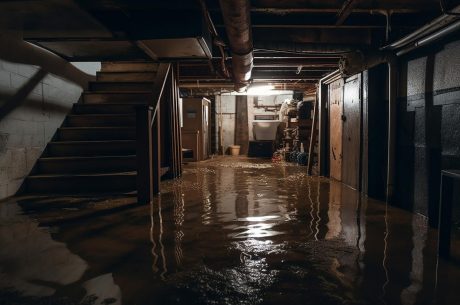
After we figure out the water type, we look at how far that water reached. If it stayed in one room, that makes things smaller. But in many cases, water moves quickly into nearby areas, especially through shared flooring like tile or hardwood. And when it gets into more rooms, the cleanup plan needs to stretch to every space it touched.
The type of surface plays a big role too. Carpet holds on to water more than hard flooring. Wood floors can swell and shift. Tile may not show damage right away, especially if water seeps underneath.
Measuring Damage to Structures and Surfaces
Once we’ve looked at the water type and location, the next thing we do is figure out what got damaged. Walls, ceilings, and floors all respond to water in different ways. That means each one has to be checked.
- Floors might need to be tested underneath to see if water pooled between layers
- Walls may look fine on the outside but have soggy insulation inside
- Ceilings that are wet could be holding more water above
To get an accurate flood cleanup estimate, we use moisture detection tools that can read what’s hiding behind the surfaces. This helps us understand how deep the damage goes. If drywall is soaked all the way through, it may need to be removed. If it’s only damp on the outside, it may dry with proper airflow.
Time also matters here. The longer a material stays wet, the more likely it is to break down. That means labor, not just tools, makes up a big part of the cost.
Factoring in Contents and Personal Property
What lived in the flooded rooms before the water came in? That question is key to building an accurate estimate. Sometimes, it’s just flooring and walls. Other times, it’s furniture, electronics, even built-in cabinetry.
Cleanup costs adjust when we need to:
- Remove large items so the space can be dried properly
- Clean things that got wet but can be saved
- Replace items too damaged to restore
For example, water running under a couch might not harm the frame, but soaked fabric or cushions may need special attention. A bookcase full of damp books adds time to cleanup and creates its own problems. Appliances plugged in during flooding usually get inspected too, especially if outlets were underwater.
All these items have to be assessed, which adds more time to creating a full picture of costs.
Calculating Time, Labor, and Equipment Needed
After identifying all the wet spaces and damaged items, we figure out how long cleanup will take. This step looks simple at first, but every house is different. We have to think about the layout, how easy it is to move equipment through the home, and if structural drying systems are needed.
Tools used during flood cleanup often include:
- Dehumidifiers to dry out the air and materials
- Air movers that push air across damp surfaces
- Injected wall systems or floor mats to pull out trapped water in hard-to-reach places
At PuroClean of Bloomfield Hills, our IICRC certified technicians use the PuroClean QuickDry System with high-capacity air movers and low-grain refrigerant dehumidifiers to dry structural materials and contents efficiently during water damage restoration.
Labor comes into play when we’re removing materials, shifting contents around, or making repeat visits to monitor the drying process. If moisture sticks around in floors or inside walls, machines may need to run longer, which affects the total cost. Sometimes we need to check in over several days to make sure drying levels are where they should be.
The more rooms impacted, the more layers we have to go through. That’s where estimates can stretch wider than homeowners first expect.
When Mold, Odors, or Hidden Moisture Appear Later
Just because a room looks dry doesn’t mean the job is finished. Water hides. When it does, things like mold and lasting odors can show up days or weeks later. These become their own cleanup steps.
Mold testing or full odor removal might get added to the scope of work after the initial walkthrough. If materials like carpet padding or insulation stay damp, they don’t just smell. They create long-term problems that can keep spreading silently.
These surprises aren’t always part of the first estimate, but they can quickly change the timeline and the cost. That’s why we check everything thoroughly before closing out a job. If these issues appear near the end, they’re looked at again and factored into the updated estimate.
Getting Clear Numbers to Move Toward Recovery
Looking at all this, it’s easy to see how one soaked room can turn into a big job to clean up. The only way to build the right estimate is to know what got wet, how deep the water went, and how long things have stayed that way.
A flood cleanup estimate helps remove the guesswork so people can start planning for repairs. Having a clear plan for drying and cleaning each room lets everything feel a bit more in control during an already tough time. PuroClean of Bloomfield Hills provides 24/7 emergency water damage response for homes and businesses in Bloomfield Hills and nearby Michigan communities, so inspection and mitigation can begin as quickly as possible after a loss.
Once the numbers are clear and the steps forward make sense, the home can start moving back toward normal. And that’s really what most people want after flood damage, to feel grounded again.
When unexpected winter water has left your Michigan home with more damage than anticipated, sorting through your options can be challenging. At PuroClean of Bloomfield Hills, we understand how important it is to receive a clear and fair flood cleanup estimate when every room may be affected differently. We assess everything from moisture levels to drying times so nothing gets overlooked. Unsure about the extent of water spread or what materials may need replacing? Let us help you uncover the true scope of your cleanup, call today to get started.
 PuroClean of Bloomfield Hills