 PuroClean of Bloomfield Hills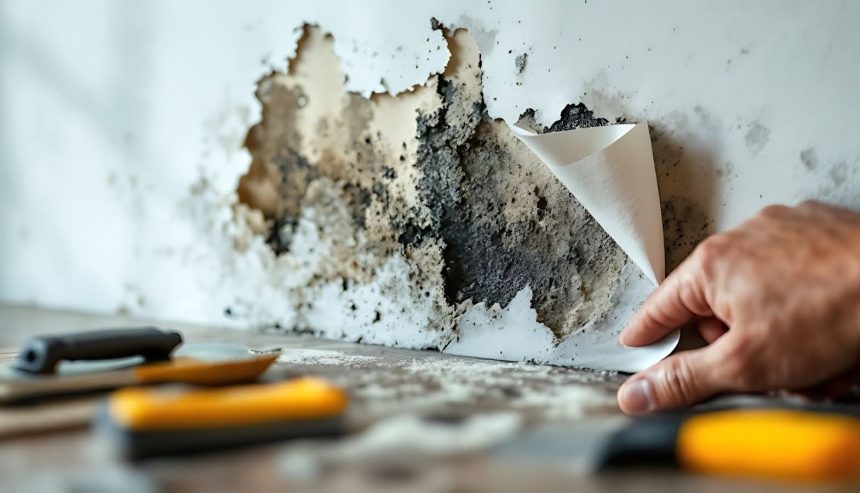
During the colder months in Michigan, it’s common for homes and buildings to hold onto moisture in hidden places. When mold starts showing up, many people assume the source will be easy to find. But sometimes, the real cause is tucked away behind walls, insulation, or even under carpet that hasn’t been moved in years. Without a clear source, mold cleanup takes more time, more care, and a deeper step-by-step process.
This is where certified mold remediation services matter the most. When property owners cannot track where the moisture is coming from, every step of the cleanup has to be done carefully and in the right order. We follow a process that clears out mold and, more importantly, helps prevent it from returning, even if the original leak cannot be pinpointed.
What Makes Mold Hard to Track?
Mold spores are always looking for damp spaces, even small ones that do not get much attention. When water seeps in, mold grabs onto drywall, wood, and even dust. That makes it a challenge to find where it began, especially when the surface looks normal.
There are reasons mold often goes unnoticed until it spreads:
• It can grow in hidden spots like behind walls, underneath flooring, or inside ceiling tiles
• Moisture may come from more than one place, such as attic vents, minor pipe drips, or condensation in crawl spaces
• In colder months, closed windows and warm indoor air can trap moisture, giving mold more time to grow without clear signs
By the time dark spots or musty smells appear, the mold has usually moved beyond just the top layer. That is when a clear remediation plan becomes important.
Step One: Initial Inspection and Moisture Mapping
Our process starts with inspection tools that help us detect water where it can’t be seen. Even if there’s no puddle or visible stain, certain pockets of air can still carry moisture.
We use specific tools to guide this step:
• Moisture meters help measure water levels inside walls, floors, and ceilings
• Infrared cameras can spot temperature changes that suggest hidden moisture
• Combined data creates a map of any affected areas, even when the cause is unclear
This map sets the stage for everything that follows. It helps us narrow down possible entry points and understand how far the moisture has spread.
Step Two: Containment of the Affected Area
Once we know where the moisture and mold are located, the key is to keep everything contained so it does not spread into clean areas. This is a critical point, especially in homes with shared ductwork or open layouts.
We set up containment using tools and barriers that help keep things safe:
• Plastic walls or heavy-duty sheeting seal off mold zones from the rest of the property
• Air scrubbers and machines with HEPA filters pull mold particles out of the air
• We use negative pressure whenever possible to make sure airborne spores do not escape
Our technicians follow industry standards as they set up these controls and place HEPA air filtration devices to help clean the air in the work area.
This step protects surrounding rooms and keeps mold from returning in other spots during the cleanup.
Step Three: Safe Removal of Mold-Infested Materials
When mold has soaked into drywall or insulation, we do not try to save it. It has to be removed completely. But we do not remove everything, only what cannot be cleaned or restored to a healthy condition.
Here’s what this usually includes:
• Drywall or paneling that has absorbed mold growth beyond surface level
• Wet insulation materials that no longer function properly
• Flooring or carpet pads that have been holding moisture too long
Our IICRC-certified team follows a remediation plan that includes removing compromised materials, using HEPA vacuums, and applying EPA-registered cleaning solutions during this phase. We always take care during removal to keep spores from spreading or creating more dust. Once the debris is removed, the cleanup area is treated with approved solutions that scrub any remaining growth from salvageable structural materials.
Step Four: Dry-Out and Structural Drying Steps
Clearing out visible damage is not enough. Mold comes from moisture, so the next step is drying out the building. That means getting down to the parts of the structure that might still be holding on to water, from hidden wood framing to the backs of ceiling panels.
In colder states like Michigan, this process often takes longer, since indoor air tends to stay damp in wintertime. To fight this problem, we bring in special tools:
• High-powered drying fans positioned for steady airflow
• Large-capacity dehumidifiers that pull lingering moisture from the space
• Air checks to confirm when the structure has dried to safe levels
This step might take a few days, but rushing it can cause mold to return as soon as the walls get closed up.
Step Five: Final Checks and Clearance Testing
After cleanup and drying, we do not just assume the job is done; we test. Mold is not always visible, and even small traces left behind can grow again fast if conditions are still right.
Here is how we handle that part:
• Professional air samples are taken to look for invisible mold particles
• Surface swabs are tested in specific zones to confirm results
• If any area still shows growth signs, we mark it for more work before moving on
Once the space checks out, only then is it ready for repairs or rebuilds. That means safer air, dryer materials, and no leftover signs of the hidden trouble.
Why Every Step Matters When the Source Isn’t Clear
When we cannot see where water entered, we treat every part of the process with more care. That means checking all corners, testing quietly damaged materials, and not overlooking strange smells or stains because they seem small.
Certified mold remediation services are structured to follow a strict plan that does not rely on finding the original source. Instead, we build a full-picture response that clears out what is there and dries what can be saved. Even if nothing points to a single leak or spill, this careful process protects the property from more serious damage later on.
Stopping mold is about what we remove and about making sure every tool, test, and step works together. When the source is hard to trace, trusting that process is what keeps it from coming back.
Mold issues can be persistent and often return even after thorough cleaning. At PuroClean of Bloomfield Hills, we approach every job with proven techniques to address moisture and damage at every level, helping restore homes and businesses throughout Michigan safely and completely. We respond to mold remediation calls in Bloomfield Hills and nearby Michigan communities 24 hours a day, 7 days a week, so help is ready when you need it. To find out about our support process and the right steps for your property, review our certified mold remediation services and connect with us to discuss your needs.


 PuroClean of Bloomfield Hills