 PuroClean of Bloomfield Hills
Water leaks can be a real pain for homeowners in Michigan. Whether it’s a dripping faucet, a leaky pipe, or an unexpected ceiling leak, water can cause serious damage if not addressed quickly. Homeowners need to know how to spot common leaks and apply quick fixes to prevent further issues. Fast action can save you from headaches and costly repairs down the line.
Identifying Common Water Leaks in Michigan Homes
Water leaks can pop up anywhere in your Michigan home. Recognizing them early is key to preventing damage. Some common spots to check include:
1. Faucets and Sinks: Dripping faucets are easy to spot and often just need a new washer or O-ring. Check under sinks for moisture or puddles, which can indicate a leaky pipe.
2. Toilets: A running toilet can waste a lot of water. Listen for continuous running water or see if the toilet tank isn’t refilling properly. Sometimes, jiggling the handle fixes it, but you might need to replace the flapper or valve.
3. Ceilings and Walls: Stains on ceilings or walls can indicate a leak from the roof, an upstairs bathroom, or plumbing within the wall. Peeling paint or wallpaper is another sign of a hidden leak.
4. Basements and Crawl Spaces: These areas are prone to leaks, especially after heavy rain. Check for damp spots, mold, or musty smells, which could signal a leak in the foundation or plumbing.
Simple DIY Fixes for Minor Water Leaks
You don’t always need a plumber for small leaks. Here are some easy DIY fixes you can try:
1. Fixing Dripping Faucets: For leaking faucets, first, turn off the water supply. Then, take apart the faucet to find the worn-out washer or O-ring and replace it with a new one. Many hardware stores carry faucet repair kits that make this job easier.
2. Sealing Pipe Leaks: If you find a small pipe leak, you can use plumber’s tape or pipe sealant to create a temporary fix. Clean the pipe, wrap the tape tightly around the leak, and then apply the sealant for added protection.
3. Repairing Toilets: For a running toilet, start by checking the flapper. If it’s worn or damaged, replace it. You can also check the chain and the fill valve. Adjusting these can often stop the toilet from running.
4. Stopping Minor Ceiling Leaks: If you notice a small ceiling leak, place a bucket under it to catch drips until you can fix the source. Use a multi-purpose patching compound for a temporary seal on minor drywall damage.
These simple fixes can help you manage minor leaks and prevent them from turning into big problems.
Temporary Solutions for Serious Leaks Before Professional Help Arrives
Serious water leaks can cause substantial damage quickly. While waiting for professional help, there are some temporary fixes you can use to minimize the damage. The first step is always to shut off the main water supply to stop the flow of water. This will help prevent further flooding and reduce the risk of electrical hazards.
If the leak is from a pipe, use pipe clamps or wraps as a temporary solution. These products can be found at hardware stores and are easy to apply. Simply follow the instructions on the packaging to seal the leak until a professional can make a permanent repair. For larger leaks or bursts, a rubber sheet or piece of old garden hose can be wrapped around the pipe and secured with hose clamps.
If the leak is coming from the roof, temporarily cover the affected area with a tarp. Secure the tarp with nails or bricks to keep it in place. This will help prevent more water from entering your home. Use buckets and towels to manage any water that has already entered. Acting quickly with these temporary solutions can minimize damage until professional help arrives.
Preventative Measures to Avoid Future Water Leaks
Preventing water leaks before they happen is the best way to protect your home. Regular maintenance and a few proactive steps can help keep your home leak-free. Start by inspecting your plumbing regularly. Check under sinks, around toilets, and near water heaters for any signs of leaks. If you notice any drips or moisture, address them immediately, even if they seem minor.
Installing water leak detectors is a smart way to catch leaks early. These devices sound an alarm when they detect water, allowing you to take action before the leak causes significant damage. Place them near appliances and fixtures, such as washing machines, dishwashers, and water heaters.
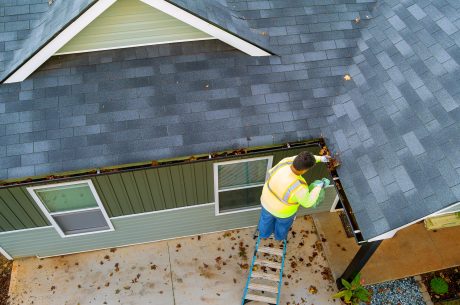
Additionally, keep your gutters and downspouts clean. Clogged gutters can cause water to overflow and seep into your home’s foundation, leading to leaks. Regularly clean out leaves and debris to ensure water flows away from your home. Make sure downspouts direct water at least five feet away from the house to prevent foundation leaks.
Another important step is to know where your main water shut-off valve is located. In an emergency, you need to act quickly. Knowing the valve’s location can help you stop water flow more efficiently and prevent serious damage. Taking these preventative measures helps keep your home safe and dry.
Conclusion
Water leaks can cause extensive damage to your home if not addressed promptly. Identifying common water leaks and understanding simple DIY fixes can save you time and money. Temporary solutions are essential for serious leaks to minimize damage until professional help arrives. Preventative measures are key to avoiding future water leaks and ensuring your home remains safe and dry.
PuroClean of Bloomfield Hills is here to help with all your residential water damage restoration needs. Our experienced team can handle everything from minor leaks to major floods, ensuring your home is restored to its original condition. Don’t wait for water damage to worsen—contact us today to get the help you need!

 PuroClean of Bloomfield Hills