Basement water damage can start with a small leak, heavy rain, or a plumbing problem and quickly turn into a much bigger mess. Understanding the common causes of basement water damage and knowing what to do right away can help protect your home, belongings, and flooring. PuroClean of Bloomington helps homeowners in Bloomington and surrounding communities respond quickly to water damage, remove standing water, dry affected areas, and prevent further damage.
1. What Are the Common Causes of Basement Water Damage?

Before you can prevent basement water damage, you need to know where the water is coming from. Some problems are obvious, while others can allow moisture into your basement slowly without getting your attention.
The common causes of basement water damage often involve rain, groundwater, plumbing failures, drainage problems, or moisture entering through cracks.
Here are some of the most frequent causes:
- Heavy rain and storms: Large amounts of rain can overwhelm gutters, downspouts, drains, and surrounding soil. Water may eventually find its way into your basement.
- Foundation cracks: Cracks in foundation walls or floors can provide an entry point for groundwater, especially after periods of heavy rainfall.
- Poor drainage: If water does not drain away from your home, it can collect around the foundation and increase the chance of basement leaks.
- Plumbing leaks: Broken pipes, leaking water heaters, washing machines, and other plumbing failures can release a significant amount of water into your basement.
- Sump pump failure: If your sump pump stops working during a storm, groundwater may accumulate quickly in the basement.
- Clogged gutters and downspouts: Gutters that cannot move water away from your home may cause water to collect near the foundation.
The source matters because cleaning up the visible water without addressing where it came from can leave you facing the same problem again.
Learn How to Prevent Basement Water Damage in Normal During Bloomington’s November Rains
2. How Can Heavy Rain Cause Basement Water Damage?
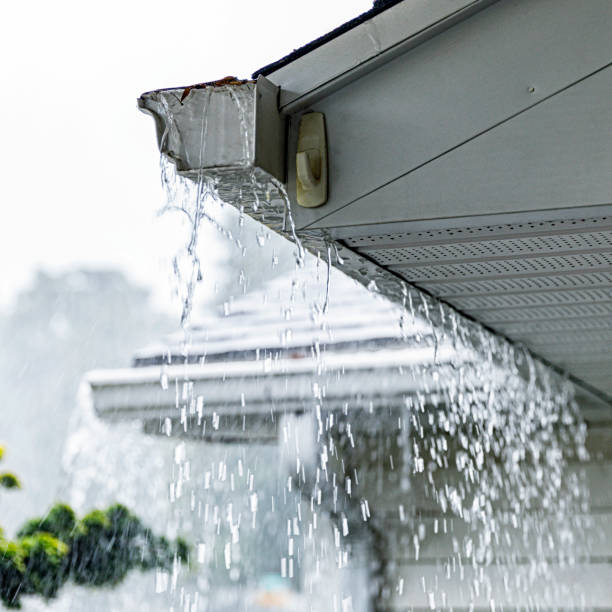
You may not think twice about a rainy day, but several inches of rain can put serious pressure on your home’s drainage system. When the ground becomes saturated, water needs somewhere else to go.
Your basement can become vulnerable when the soil around your foundation cannot absorb or redirect additional water.
Watch for these warning signs:
- Water collecting around your foundation after storms.
- Gutters overflowing during heavy rain.
- Downspouts releasing water directly next to the foundation.
- Damp spots appearing on basement walls or floors.
- Water entering through cracks, windows, or other openings.
If your basement repeatedly becomes damp after storms, don’t treat each incident as an isolated problem. Repeated moisture can contribute to additional damage and create conditions where mold can grow.
3. Could Plumbing Problems Be Causing Your Basement Water Damage?
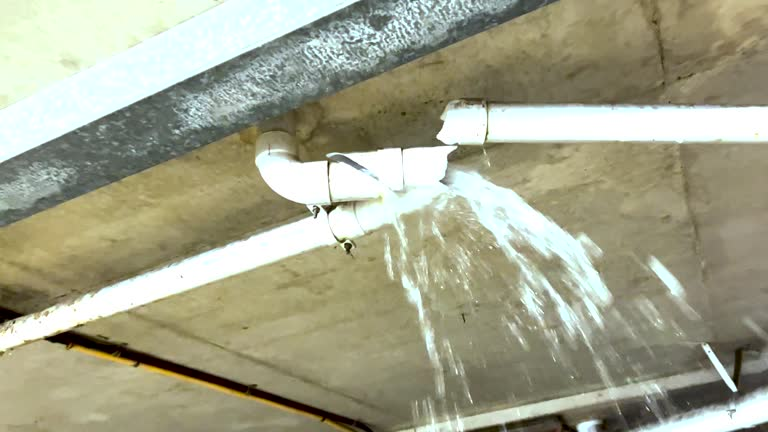
Not every basement flood comes from outside. Sometimes, the source is inside your home.
A failed water heater, burst pipe, leaking washing machine hose, or damaged plumbing connection can release water into your basement surprisingly fast.
If a plumbing problem causes water damage, take these steps:
- Shut off the water: If it is safe to do so, stop the water source as quickly as possible.
- Move valuables: Relocate boxes, furniture, electronics, and other belongings away from the affected area.
- Watch for electrical hazards: Do not enter standing water if electrical equipment, outlets, or wiring may be affected.
- Look for hidden moisture: Water can spread underneath flooring, behind walls, and into other materials.
- Call for professional help: Significant water damage requires more than simply removing visible water.
A small plumbing failure can affect much more than the area where you first notice the water. Professional water extraction and drying can help identify moisture that is not visible from the surface.
If you’re already seeing signs of basement water damage, call PuroClean of Bloomington at (309) 433-0900 for a fast response.
4. Can Foundation Cracks Cause Basement Water Damage?
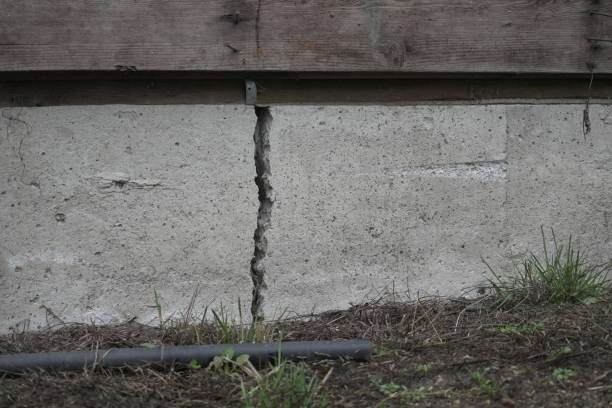
Foundation cracks are another one of the common causes of basement water damage. Some cracks may appear minor, but they can allow moisture to enter when outside water pressure increases.
You may notice:
- Damp streaks running down basement walls.
- Small puddles near foundation walls.
- White, chalky deposits on concrete.
- Musty odors.
- Moisture appearing after rainfall.
The location and pattern of the water can sometimes provide clues about the source. However, you should not assume every crack is harmless just because it looks small.
If water continues entering through the foundation, repeated exposure can damage flooring, walls, insulation, stored belongings, and other materials.
Before simply covering a damp area with paint or placing a container underneath a leak, determine how much moisture is actually present. If water has already spread into building materials, professional drying may be necessary.
5. What Should You Do Immediately After Basement Water Damage?

When water enters your basement, every minute matters. The longer water remains in contact with porous materials, the greater the chance of additional damage.
Knowing the common causes of basement water damage is useful, but knowing what to do next is even more important.
Step 1: Stop the Water Source
If you can safely identify the source, stop it.
For a plumbing leak, this may mean shutting off the water supply. For exterior water, you may need to address a clogged gutter or downspout once conditions are safe.
Never put yourself at risk to reach a water source.
Step 2: Stay Away From Electrical Hazards
Standing water and electricity can create a dangerous situation.
Do not enter a flooded basement if you suspect electrical equipment, outlets, extension cords, appliances, or wiring may be submerged.
Your safety comes first.
Step 3: Remove Important Belongings
If the area is safe to enter, move valuable belongings away from the water.
Prioritize items such as:
- Important documents.
- Electronics.
- Furniture.
- Clothing.
- Family photographs.
- Boxes stored directly on the floor.
Even moving belongings a few inches above the floor can make a difference when water is still spreading.
Step 4: Remove Standing Water
Once the area is confirmed safe, standing water needs to be addressed quickly.
The right cleanup method depends on how much water is present and where it came from. A small amount of clean water from a minor leak may be manageable in some situations, while extensive flooding or contaminated water requires professional assistance.
Professional water removal can also help identify moisture that has moved beyond the visible puddle.
Step 5: Start Drying the Affected Area
Removing visible water is only part of the process.
Basement walls, flooring, insulation, furniture, and other materials may still contain moisture after the surface looks dry.
Professional drying can involve moisture detection, air movement, dehumidification, and monitoring to determine whether affected materials are actually dry.
That distinction is important because hidden moisture can continue causing problems long after the basement looks normal.
6. Why Is Basement Water Damage Worse Than It Looks?
One of the biggest mistakes homeowners make is assuming that visible water represents the full extent of the damage.
Water does not always stay where you see it.
It can move beneath flooring, behind walls, into insulation, and underneath furniture. Moisture can also remain trapped in materials after standing water has been removed.
Look beyond the obvious signs:
- Check nearby walls and baseboards for dampness.
- Pay attention to musty or unusual odors.
- Look for discoloration or swelling.
- Check flooring for buckling or soft spots.
- Watch for moisture in areas surrounding the original leak.
If your basement smells damp but you cannot find the source, do not ignore it. A strange odor can sometimes be a warning that moisture remains somewhere you cannot easily see.
7. How Can You Prevent Future Basement Water Damage?
You cannot control every storm or plumbing failure, but you can reduce some of the risks around your home.
Prevention starts with keeping water away from your foundation and catching small problems before they become major ones.
Try these practical steps:
- Clean your gutters regularly: Remove leaves and debris so rainwater can flow properly.
- Check your downspouts: Make sure they direct water away from your foundation.
- Inspect your sump pump: Test it regularly, especially before periods of heavy rain.
- Look for foundation problems: Keep an eye out for new cracks, damp spots, or signs of water intrusion.
- Monitor basement humidity: Excess moisture can create an environment where mold growth becomes more likely.
- Check plumbing connections: Inspect water heaters, washing machine hoses, and exposed pipes for leaks or wear.
A few minutes of maintenance can help you spot problems before they result in a flooded basement.
8. When Should You Call a Professional for Basement Water Damage?
Some homeowners try to handle every water problem themselves. That may be reasonable for a very small, isolated leak, but larger water events can quickly become more complicated.
You should consider professional help when:
- Water covers a significant portion of the basement.
- The source of the water is unknown.
- Water has entered walls or flooring.
- Your basement has a persistent musty smell.
- Contaminated or sewage water is involved.
- Your sump pump failed during a storm.
- Water keeps returning after cleanup.
- You are unsure whether affected materials are completely dry.
Professional restoration focuses on more than making the floor look dry. The goal is to identify the source, remove affected water, locate hidden moisture, dry the property, and restore damaged areas.
PuroClean of Bloomington provides professional water damage restoration for homeowners throughout Bloomington, Normal, and surrounding communities. Our team is available 24/7 to respond when water damage cannot wait.
FAQs About Common Causes of Basement Water Damage
What are the most common causes of basement water damage?
The most common causes include heavy rain, foundation cracks, poor drainage, plumbing leaks, sump pump failures, clogged gutters, and groundwater entering through the foundation.
How quickly should I clean up basement water?
You should address basement water as soon as possible. Fast action can help limit how far the water spreads and reduce the amount of time building materials remain wet.
Can a small basement leak cause major damage?
Yes. Even a small leak can become a larger problem if water continues entering the basement or spreads into flooring, walls, insulation, and other porous materials.
How do I know if my basement has hidden water damage?
Musty odors, discoloration, damp walls, swollen flooring, soft materials, and recurring moisture can indicate hidden water damage. Professional moisture detection can help locate water that is not visible.
Should I call a professional for a flooded basement?
If the basement has significant standing water, contaminated water, electrical hazards, extensive damage, or moisture in walls and flooring, professional restoration is the safer choice. A restoration team can remove water, dry affected materials, and address damage that may not be visible.
Final Thoughts – Protect Your Basement Before Water Damage Gets Worse
The common causes of basement water damage range from heavy storms and foundation cracks to plumbing failures and drainage problems. Acting quickly by stopping the source, protecting your belongings, avoiding hazards, removing water, and starting the drying process can help limit the damage. Regular gutter, drainage, plumbing, and sump pump maintenance can also reduce the chance of future problems.
If your Bloomington or Normal basement has water damage, don’t wait for the problem to get worse.
📞 Call PuroClean of Bloomington for basement water damage or water damage restoration today at (309) 433-0900, or visit our website.
Don’t let basement water damage ruin your home or belongings, get trusted professional help today.