


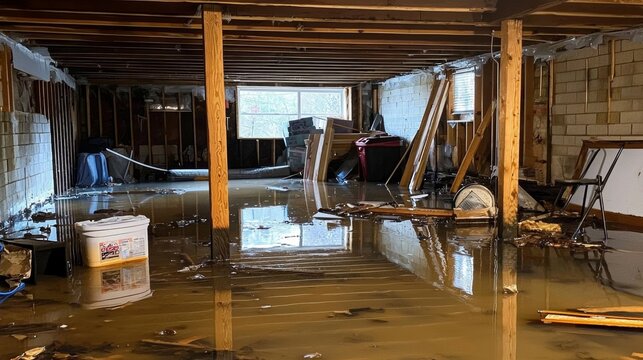
When floodwater enters your home, every hour matters. Flood water extraction helps remove standing water before it spreads further into flooring, drywall, furniture, and other materials. If your Bloomington or Normal home has flooded after heavy rain, a sump pump failure, or a plumbing emergency, knowing what to do during the first 24 hours can help limit further damage and prepare your property for restoration.
The first priority is safety, followed by professional water removal, moisture assessment, and proper drying. PuroClean of Bloomington helps homeowners respond to water emergencies and take the next steps toward restoring their properties.
Why Is Flood Water Extraction Important in the First 24 Hours?

Floodwater does not stay in one place. It can seep into porous materials, travel beneath flooring, and collect in wall cavities or other hidden spaces. Even when the visible water level is low, moisture may continue damaging your home.
The first 24 hours provide an important window to begin addressing the damage. The U.S. Environmental Protection Agency recommends drying flooded homes and belongings as quickly as possible, ideally within 24 to 48 hours, to help prevent mold growth.
Here is why early flood water extraction matters:
- It limits prolonged moisture exposure. Removing standing water reduces the amount of moisture available to soak into building materials.
- It helps protect flooring and walls. Prompt extraction can reduce additional damage, although some materials may still require removal or replacement.
- It supports effective drying. Restoration professionals can begin assessing moisture levels and setting up appropriate drying equipment.
- It helps identify hidden problems. A professional assessment can reveal areas that need additional attention before repairs begin.
Waiting for floodwater to disappear on its own can make recovery more complicated. Acting quickly, without putting yourself at risk, gives your home a better chance of recovering from the damage.
1. Make Sure Your Home Is Safe Before Entering
Before you think about removing water, make sure it is safe to enter the affected area. Floodwater can contain sewage, chemicals, sharp debris, and other contaminants. Electrical hazards and weakened building materials can also make cleanup dangerous.
Never assume a flooded basement or ground-floor room is safe simply because the water has stopped rising.
Take these precautions first:
- Watch for electrical hazards. Never touch electrical equipment, outlets, or appliances while standing in water or when the equipment is wet. Have a qualified professional address electrical hazards before entering or using affected areas.
- Check for structural damage. Stay away from sagging ceilings, damaged walls, unstable stairs, or areas that appear unsafe.
- Avoid contaminated water. Floodwater from outside, sewage backups, and other potentially contaminated sources should not be handled like a clean plumbing leak.
- Follow emergency instructions. Do not return to a property until local authorities say it is safe if you were evacuated or the area remains hazardous.
If you suspect a gas leak, leave the building and contact the appropriate emergency service or utility provider from a safe location.
Your safety comes before your belongings. If the flooding involves electrical risks, deep standing water, sewage, or structural concerns, leave the cleanup to qualified professionals.
2. Identify the Source of the Flood
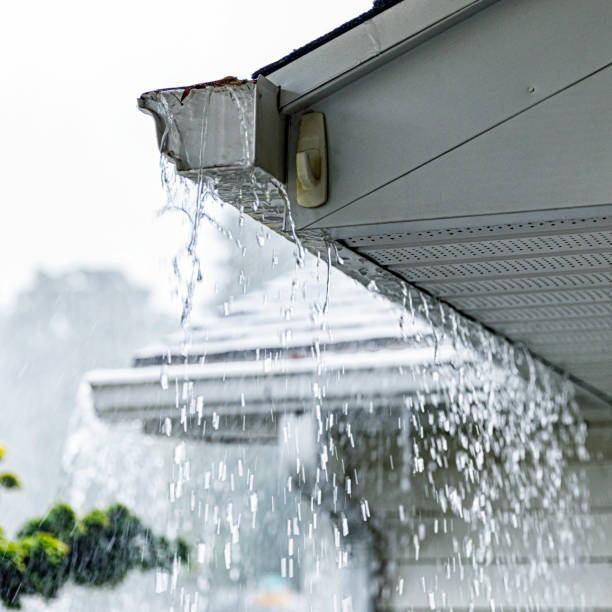
Once the property is safe to approach, the next step is to understand where the water came from. The source affects how the water should be handled, what materials may need attention, and which repairs may be necessary.
In Bloomington and surrounding McLean County communities, homeowners may experience flooding after intense rainfall, drainage problems, plumbing failures, or sump pump malfunctions.
Common sources include:
- Heavy rainfall: Water can enter through foundation openings, basement windows, or areas where drainage directs water toward the home.
- Sump pump failure: A failed pump or overwhelmed drainage system can allow basement water levels to rise.
- Burst or leaking pipes: Plumbing failures can release large amounts of water into walls, ceilings, and living spaces.
- Appliance failures: Washing machines, water heaters, dishwashers, and refrigerator supply lines can cause unexpected flooding.
If it is safe, stop the source of the water. For example, a homeowner may be able to shut off a leaking appliance’s water supply. Do not enter a flooded area to reach a valve or breaker if doing so could expose you to electrical or other hazards.
Identifying the source also helps prevent additional water from entering after extraction begins. If the cause is not corrected, your home could flood again even after the initial cleanup.
3. Contact a Professional Flood Water Extraction Team
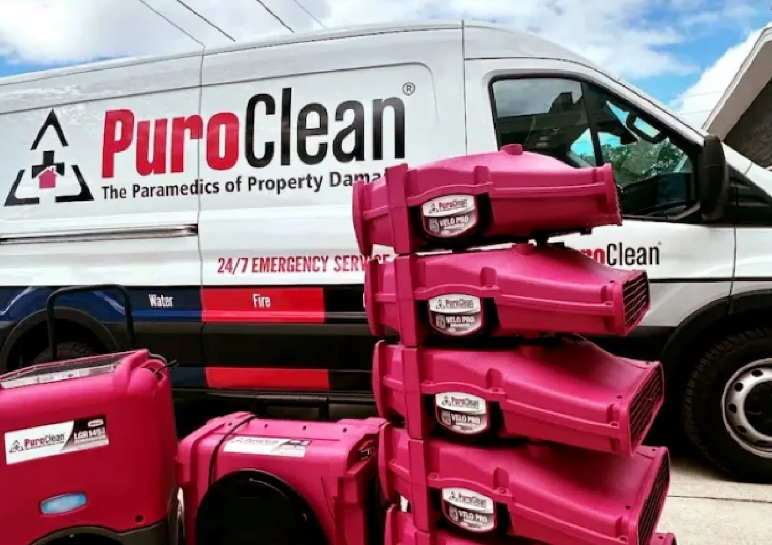
Standing water can spread into materials faster than many homeowners realize. Household towels, mops, and standard cleaning equipment may handle a small spill, but they are rarely enough for significant flooding.
Professional flood water extraction uses suitable equipment to remove accumulated water and prepare the property for the next stages of restoration.
When you contact a restoration team, explain what happened and provide as much detail as possible.
- Describe the source. Tell the team whether the water came from a plumbing failure, storm, sump pump, or another source.
- Explain the affected areas. Mention whether water has entered the basement, bedrooms, kitchen, or other rooms.
- Share the approximate water depth. Even a rough estimate can help the team understand the situation.
- Mention potential hazards. Report sewage concerns, electrical problems, visible structural damage, or other risks.
Professional extraction can help remove water from affected floors and accessible areas. The team can then assess which materials need additional drying, cleaning, or removal.
If your home has standing water or widespread flooding, do not wait for the damage to become more obvious.
PuroClean of Bloomington provides 24/7 emergency property restoration services. Call (309) 433-0900 when your home needs professional help after a water emergency.
4. Document the Damage Before Cleanup When It Is Safe
Flood damage can be stressful, and it is easy to forget important details once cleanup begins. Taking photos and keeping records can help you explain the extent of the damage to your insurance company.
However, never delay an emergency response or put yourself in danger just to take pictures.
If the affected area is safe to access, document the damage before items are moved or removed.
- Photograph standing water. Capture the water level and the rooms affected.
- Record visible damage. Take pictures of wet drywall, damaged flooring, furniture, appliances, and personal belongings.
- Make a list of affected items. Note major belongings and materials that may need cleaning, repair, or replacement.
- Keep relevant records. Save receipts for emergency expenses and maintain copies of communications with your insurer and restoration team.
Contact your insurance company as soon as practical to report the loss and ask about the next steps. Your insurer may explain which documents it needs and whether an inspection is required.
Do not assume that every flood-related expense will be covered. Coverage depends on your policy, the source of the water, and the circumstances of the loss.
Documentation can support the claims process while helping you keep track of the work needed to restore your home.
5. Remove Standing Water Without Spreading the Problem
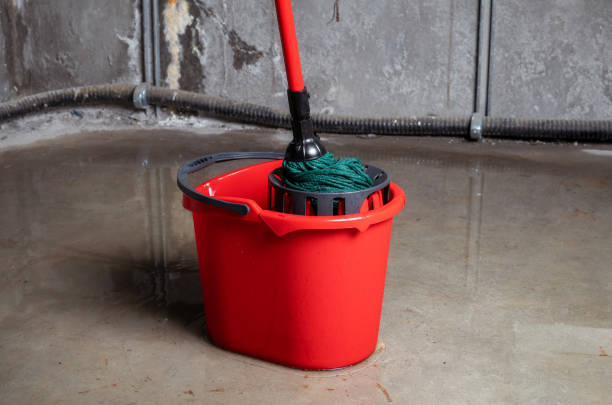
Once safety has been addressed, removing standing water becomes a major priority. However, the correct method depends on the amount of water, its source, and the condition of the property.
Professional flood water extraction equipment can remove substantial amounts of water more efficiently than ordinary household tools. Restoration professionals can also assess areas that are difficult to reach.
Homeowners should keep these points in mind:
- Do not use ordinary household vacuums. They are not designed to remove standing water and may create an electrical hazard.
- Do not use electrical equipment in wet areas. Fans, pumps, and other equipment must only be operated when the electrical supply and working conditions are safe.
- Treat potentially contaminated water carefully. Floodwater from outside or sewage backups may require specialized handling and protective measures.
- Avoid moving water into unaffected rooms. Uncontrolled cleanup can spread contaminated water and debris to other parts of the home.
A small, clean-water spill may be manageable with appropriate household tools when the area is safe. Extensive flooding is different. It may require commercial extraction equipment, protective gear, and a coordinated restoration plan.
The goal is to remove water safely while limiting additional damage to the surrounding property.
6. Check for Hidden Moisture in Floors, Walls, and Cabinets
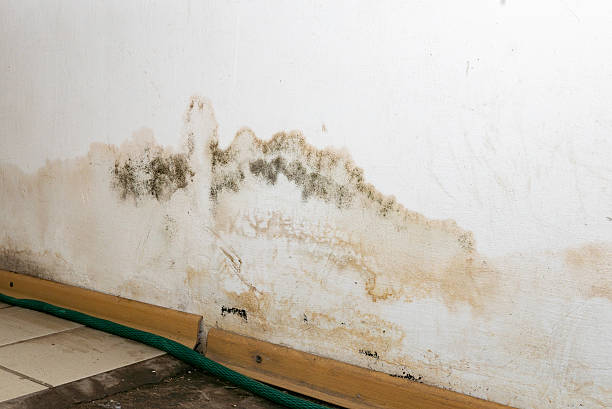
Removing visible water is only one part of flood water extraction. Moisture can remain in places that are not immediately obvious, even after a room looks dry.
For example, water may seep beneath carpet, collect under laminate flooring, enter drywall, or soak into insulation. Kitchen cabinets and baseboards can also absorb moisture around the bottom edges.
A careful moisture assessment helps determine what needs to happen next.
Pay attention to these areas:
- Flooring and subfloors: Water can collect between flooring layers or remain in the material underneath.
- Drywall and insulation: Wet wall cavities may need further assessment to determine whether materials can be dried or should be removed.
- Baseboards and trim: These materials can absorb water near the floor and conceal moisture behind them.
- Cabinets and built-in features: Water may become trapped underneath or behind cabinets, particularly in kitchens, bathrooms, and laundry rooms.
Professional moisture detection tools can help identify damp materials beyond the visible waterline. The results can guide decisions about drying, material removal, and reconstruction.
Do not assume a surface is dry simply because it no longer feels wet. Hidden moisture can delay repairs and increase the risk of mold growth.
7. Start the Drying Process and Watch for Mold Risks
After the standing water has been removed, the affected areas still need to dry thoroughly. Extraction removes liquid water, but it does not automatically eliminate moisture absorbed by building materials.
The EPA recommends drying wet areas and belongings as quickly as possible, ideally within 24 to 48 hours. This timing is important because mold can begin growing when materials remain damp.
To support the drying process:
- Allow safe ventilation. Open doors and windows when outdoor conditions and property safety allow it.
- Use appropriate drying equipment. Fans and dehumidifiers may help when electricity is safe to use and the area has been assessed.
- Avoid spreading mold or contamination. If visible mold is already present, do not start fans that could spread mold particles before the affected area is addressed.
- Monitor damp materials. Flooring, walls, furniture, and other porous items may need additional drying or professional assessment.
Floodwater may carry contaminants that require cleaning and disinfection before drying equipment is used. This is especially important after outdoor flooding or a sewage backup.
Do not turn on your home’s HVAC system to dry flood-affected areas if the system or its ducts may have been affected. Have a qualified professional determine whether it is safe to use.
If you notice a musty odor, visible mold, or persistent dampness, do not cover the problem with paint or air fresheners. Identify and address the moisture source first.
Read up on How to Prevent Basement Water Damage in Normal During Bloomington’s November Rains
8. Plan the Next Steps for Cleaning, Repairs, and Restoration
The first 24 hours are about more than removing water. They are also about establishing a clear plan for the work that follows.
Once flood water extraction is underway or complete, your home may still need cleaning, drying, damaged-material removal, and reconstruction. The extent of this work depends on how far the water traveled and whether it carried contaminants.
Before moving forward, consider these next steps:
- Determine which materials can be salvaged. Flooring, drywall, insulation, furniture, and other belongings may require different treatment depending on the exposure.
- Arrange any necessary cleaning. Surfaces affected by contaminated floodwater may need professional cleaning and disinfection.
- Confirm the drying process is complete. Moisture measurements and professional assessments can help determine whether affected materials are ready for repair.
- Prepare for reconstruction if needed. Damaged drywall, flooring, trim, cabinets, or other components may need repair or replacement.
Avoid rushing into cosmetic repairs before the affected materials are ready. Installing new flooring over a damp subfloor or closing a wet wall cavity can leave moisture trapped behind finished surfaces.
A complete restoration plan should address both the visible damage and the underlying moisture problem.
For homeowners in Bloomington and Normal, PuroClean of Bloomington can help coordinate the response to water damage and guide the transition from emergency mitigation to the next stage of recovery.
What If Your Basement Floods Overnight?
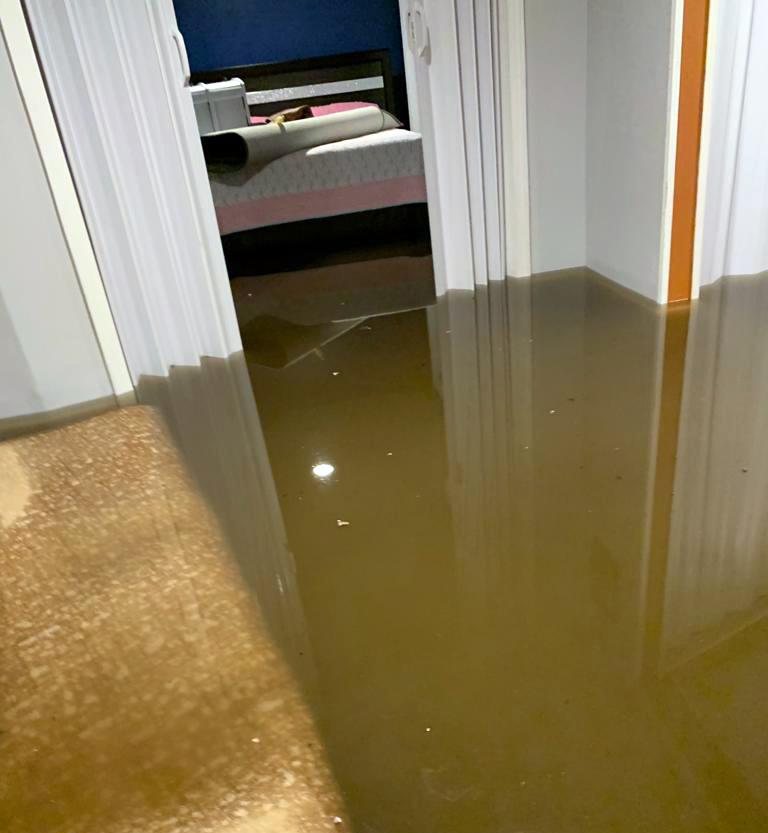
A basement flood can happen while you are asleep, away from home, or unaware that your sump pump has stopped working. Discovering standing water in the morning can leave you wondering what to do first.
The same priorities apply: safety, source control, professional extraction, documentation, and drying.
If you discover a flooded basement:
- Stay out if water may be in contact with electrical equipment or outlets.
- Do not attempt to operate a sump pump or electrical device while standing in water.
- Contact a qualified professional if the water is deep, contaminated, or widespread.
- Photograph the damage only when it is safe to do so.
- Arrange prompt water extraction and a moisture assessment.
Basements can be particularly challenging because water may enter through several pathways, including foundation openings, floor cracks, drainage systems, or plumbing failures.
Even after the visible water is gone, moisture can remain in carpet, drywall, stored belongings, and other materials. Prompt professional attention can help identify what needs to be dried, cleaned, or replaced.
How Does Flood Water Extraction Differ From Water Damage Restoration?
These terms are related, but they describe different parts of the recovery process.
Flood water extraction focuses on removing standing water from the affected property. It is an important early step when a home has flooded.
Water damage restoration covers the broader process of recovering the property. Depending on the situation, it can include water removal, moisture detection, structural drying, cleaning, removal of damaged materials, and reconstruction.
For example, if heavy rainfall floods a Bloomington basement, the initial response may involve extracting the standing water. The restoration process may then include drying the subfloor, assessing drywall, cleaning affected surfaces, and repairing damaged finishes.
Not every flood requires the same level of work. The source of the water, the length of exposure, the affected materials, and the condition of the property all influence the recovery plan.
Understanding the difference helps homeowners recognize why removing the visible water is essential, but not always enough to finish the job.
FAQs About Flood Water Extraction
1. How quickly should flood water extraction begin?
Flood water extraction should begin as soon as it is safe to do so. Prompt water removal can limit prolonged exposure to moisture, but electrical hazards, structural damage, and contaminated water must be addressed before cleanup begins.
2. Can I remove floodwater myself?
Small spills involving clean water may be manageable with suitable equipment when the area is safe. Significant flooding, outdoor floodwater, and sewage backups can pose serious hazards and may require professional extraction and cleanup.
3. Can mold grow within 24 hours after flooding?
Mold can begin growing quickly when materials remain damp. The EPA recommends drying wet areas and belongings within 24 to 48 hours when possible to help reduce the risk of mold growth. Actual growth depends on conditions such as moisture, temperature, and the materials involved.
4. Does flood water extraction remove all moisture from my home?
No. Extraction removes standing water, but moisture may remain inside drywall, insulation, flooring, subfloors, and other materials. Additional drying and moisture checks may be necessary.
5. Will homeowners insurance pay for flood water extraction?
Coverage depends on the cause of the damage and the terms of your policy. Some policies cover certain sudden water losses, while flooding from outside the home may require separate flood insurance. Contact your insurer to confirm your coverage and claim requirements.
Final Thoughts: Act Quickly After Flooding to Protect Your Home
The first 24 hours after a flood are an important time to protect your property and begin recovery. Make safety your first priority, identify the water source, arrange professional flood water extraction when needed, document the damage, and ensure affected materials receive proper drying and assessment. Taking these steps early can help limit additional damage and prepare your home for the repairs that follow.
If your home in Bloomington, Normal, or the surrounding McLean County area has flooded, PuroClean of Bloomington is ready to help you take the next steps.
📞 Call PuroClean of Bloomington at (309) 433-0900 for professional flood water extraction and water damage restoration.
Don’t let standing water turn into a larger property problem. Get help as soon as it is safe to do so.