


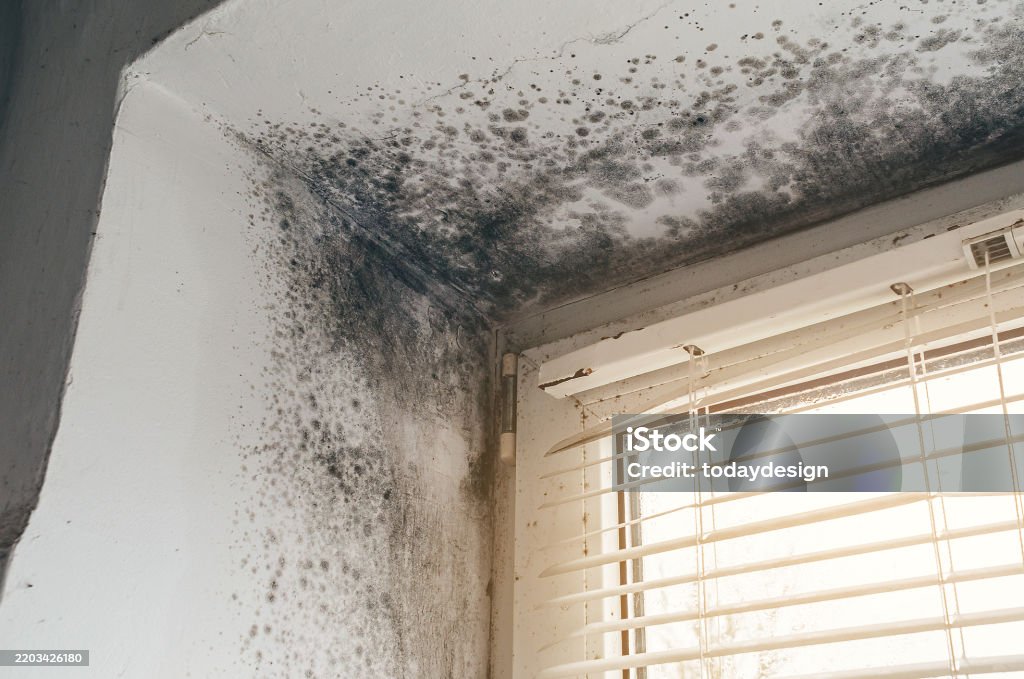
You clean the mold, scrub the affected surface, and think the problem is finally gone. Then, a few weeks later, the same dark spots appear again. If your mold keeps coming back after cleaning, the problem may be deeper than the visible growth. In many cases, moisture is still present, the original source has not been fixed, or mold remains on materials that were never properly addressed.
Mold can grow on drywall, wood, carpet, insulation, and other materials when moisture and suitable conditions are available. Cleaning the visible surface may remove some growth, but it will not necessarily correct a hidden leak, damp wall cavity, or persistent humidity problem. That is the main reason mold keeps coming back in so many homes.
For homeowners in Bloomington and Normal, mold that keeps coming back can be especially frustrating in basements, bathrooms, crawl spaces, and other areas where moisture may build up. Understanding why mold keeps coming back is the first step toward preventing another cycle of cleaning and regrowth.
At PuroClean of Bloomington, we help property owners address water damage restoration and mold remediation concerns. This guide explains the common reasons mold keeps coming back after cleaning, how to identify the underlying problem, and when professional help may be needed. For general background, the U.S. Environmental Protection Agency offers a helpful brief guide to mold, moisture, and your home.
1. Why Mold Keeps Coming Back When the Moisture Source Was Never Fixed
One of the most common reasons mold keeps coming back is that the source of moisture remains active.
Mold needs moisture to grow. If water continues entering a building or collecting on a surface, cleaning the mold without correcting the underlying problem may only provide temporary results.
For example, you might clean a patch of mold beneath a bathroom sink. If a pipe is still leaking slowly inside the cabinet, the area may remain damp enough for mold to develop again.
Other possible moisture sources include:
- Leaking plumbing connections behind walls.
- Roof leaks that allow rainwater into ceilings or attic spaces.
- Water entering through basement walls or foundation cracks.
- Damaged window seals that allow rainwater to seep inside.
- Leaking appliances, including washing machines and dishwashers.
- Overflowing gutters or downspouts that direct water toward the foundation.
- Poorly drained areas around the home.
The source is not always obvious. A wall may look dry while moisture remains inside it, or a leak may occur only during heavy rain.
How to Address Mold That Keeps Coming Back From a Moisture Source
Start by looking for signs of water intrusion near the affected area. Check for water stains, peeling paint, swollen trim, soft drywall, damp cabinets, or musty odors.
If you suspect a plumbing or roof leak, arrange for the source to be repaired. If moisture appears to be entering through the foundation, the drainage around the property may need attention.
Do not assume that the mold itself is the entire problem. Until the moisture source is corrected, the conditions that allowed the growth to develop may remain, and mold will keep coming back.
2. Why Mold Keeps Coming Back From Hidden Spots Behind Walls or Under Flooring
Sometimes, mold appears to disappear after cleaning because only the visible portion was removed.
Mold may also be growing in places you cannot easily reach, including behind drywall, beneath carpet padding, under flooring, inside cabinets, or within damp insulation. If those areas remain wet, growth can continue out of sight and later become visible again.
Imagine that a plumbing leak wets the drywall behind a kitchen cabinet. You clean the mold that appears on the cabinet surface, but the insulation or drywall behind it remains damp. The visible area may look better for a while, yet the underlying moisture problem has not been resolved, so the mold keeps coming back.
Signs of Hidden Mold When Mold Keeps Coming Back
Pay attention to warning signs such as:
- A musty odor that returns after cleaning.
- Mold appearing repeatedly in the same location.
- Paint that bubbles, cracks, or begins to peel.
- Drywall that feels soft, swollen, or damaged.
- Flooring that buckles or feels unusually damp.
- Water stains that grow or change over time.
- Persistent dampness around baseboards or cabinets.
These signs do not automatically prove that mold is growing inside a wall, but they may justify further investigation.
How to Address Hidden Mold
A professional moisture assessment can help identify damp materials and determine whether further inspection is needed. Moisture meters and other tools may help locate wet areas that are not obvious during a visual inspection.
If hidden mold is suspected, avoid opening walls or disturbing affected materials without considering the potential spread of dust and mold particles. The appropriate response depends on the extent of the damage and the materials involved.
3. When High Indoor Humidity Makes Mold Keep Coming Back
Mold does not always need a plumbing leak or flood to become a problem. High indoor humidity can also be the reason mold keeps coming back.
When indoor air contains excess moisture, water may condense on cooler surfaces such as windows, exterior walls, pipes, and poorly insulated areas. Repeated condensation can keep these surfaces damp long enough for mold to develop.
This is a common concern in bathrooms, basements, laundry rooms, and other areas where moisture is regularly produced.
What Causes High Indoor Humidity?
Several everyday conditions can increase indoor moisture:
- Taking hot showers without using an exhaust fan.
- Drying clothes indoors without adequate ventilation.
- Running appliances that release moisture into the room.
- Poor ventilation in bathrooms, kitchens, or laundry areas.
- Using an undersized or poorly maintained dehumidifier.
- Allowing damp basements or crawl spaces to remain humid.
The U.S. Environmental Protection Agency recommends keeping indoor relative humidity below 60% when possible, ideally between 30% and 50%.
How to Address Humidity When Mold Keeps Coming Back
Use bathroom exhaust fans during showers and for a period afterward. Make sure kitchen and laundry ventilation is working properly, and consider a dehumidifier in persistently damp spaces.
A humidity monitor can help you understand whether indoor moisture levels remain elevated. If humidity stays high despite these measures, investigate whether a hidden leak, basement seepage, or another moisture source is contributing to the problem.
Cleaning mold without controlling humidity may allow it to return even when no obvious leak is present.
4. Porous Materials: Why Mold Keeps Coming Back After Surface Cleaning
Not every surface can be cleaned in the same way. Mold growing on a hard, nonporous surface may be easier to remove than mold affecting porous materials.
Porous materials contain small spaces that can hold moisture and allow mold to penetrate below the surface. Examples include drywall, ceiling tiles, insulation, carpet padding, and some wood products.
Scrubbing the surface may remove visible growth without addressing all the affected material. If the material remains damp or has been extensively damaged, mold keeps coming back.
Which Materials May Need More Than Surface Cleaning?
Drywall: Mold can affect the paper facing and other components. Wet or heavily contaminated sections may need to be removed and replaced.
Carpet and padding: Water can collect beneath the visible fibers. Depending on the water source, how long the materials remained wet, and the extent of contamination, replacement may be necessary.
Insulation: Wet insulation can be difficult to dry fully in place. If it has become moldy or remains wet, removal may be required.
Wood: Some wood surfaces can be cleaned and dried, but deeply affected or structurally damaged wood may require specialized treatment or replacement.
How to Address Porous Materials
Do not assume every moldy material needs to be thrown away. The right decision depends on the material, the extent of growth, the water source, and whether the material can be properly cleaned and dried.
A professional assessment can help determine what may be salvaged and what should be removed. Covering a damaged area with fresh paint, flooring, or new drywall before the moisture problem is resolved can hide the symptoms without correcting the cause.
5. Condensation Is Another Reason Mold Keeps Coming Back
Condensation occurs when moisture in the air comes into contact with a surface that is cool enough for water to form. If this happens regularly, the affected surface may stay damp even when there is no active leak.
You may notice condensation on windows in the morning, water droplets on cold pipes, or damp patches on exterior walls during colder weather.
If mold keeps coming back around a window or on the same section of wall, repeated condensation may be contributing to the problem.
Why Condensation Can Be Difficult to Notice
Condensation may evaporate before you inspect the area. However, repeated moisture exposure can still affect paint, trim, drywall, and nearby materials.
Cold exterior walls, poorly insulated corners, and areas with limited airflow can be particularly vulnerable. Furniture placed tightly against an exterior wall may also restrict airflow and allow moisture to linger.
How to Address Condensation
Improve ventilation and keep indoor humidity under control. Wipe away condensation when it forms, but also investigate why the surface is becoming wet so frequently.
Depending on the cause, improvements to insulation, window seals, airflow, or ventilation may help reduce condensation. If the same area remains damp or shows signs of water intrusion, do not assume condensation is the only explanation.
6. Damp Basements and Crawl Spaces: Where Mold Keeps Coming Back Most
Basements and crawl spaces are common locations where mold keeps coming back because they can collect moisture from the soil, foundation, plumbing, and outdoor air.
In Bloomington and surrounding McLean County communities, property owners may encounter basement moisture after heavy rainfall, drainage problems, sump pump failures, or changes in outdoor humidity.
Cleaning mold from a basement wall will not solve the problem if water continues seeping through the foundation. Similarly, treating a crawl space without correcting damp soil, drainage issues, or plumbing leaks may produce only short-term results.
Common Causes of Basement and Crawl Space Mold
- Water entering through foundation cracks or joints.
- Poor grading that directs rainwater toward the building.
- Clogged or poorly positioned gutters and downspouts.
- Sump pump failures or inadequate drainage.
- Exposed damp soil in a crawl space.
- Condensation on cool foundation walls and pipes.
- Plumbing leaks in concealed areas.
- Limited ventilation or ineffective moisture control.
How to Address a Damp Basement or Crawl Space
Start by identifying whether moisture is coming from outside, a plumbing system, humid air, or another source. Check gutters and downspouts, look for signs of seepage, and make sure water is directed away from the foundation.
A dehumidifier may help manage humidity, but it will not repair a leak or stop groundwater from entering the building. Persistent or widespread dampness may require a more detailed assessment.
If mold keeps coming back across multiple basement surfaces or inside a crawl space, investigate the entire moisture environment rather than cleaning each patch separately.
7. Painting Over It Is Why Mold Keeps Coming Back
A fresh coat of paint can make a wall look clean, but it does not eliminate the conditions that allow mold to grow.
Painting over mold without addressing the moisture source and properly handling the affected surface may hide discoloration temporarily. If moisture remains underneath, the paint may bubble, peel, or develop new spots as the problem continues, and the mold keeps coming back.
The same issue can occur when homeowners cover moldy materials with wallpaper, paneling, new flooring, or other finishes before confirming that the underlying area is dry and suitable for repair.
Why Covering Mold Does Not Solve the Problem
Paint and other coverings do not reliably remove mold from the surface beneath them. They may also make it harder to recognize ongoing damage.
If the wall is damp, adding a new finish can delay the discovery of the underlying problem. By the time mold becomes visible again, the affected area may have expanded.
How to Address Painted-Over Mold
Identify and correct the source of moisture first. The affected material should then be assessed to determine whether it can be cleaned or needs to be removed.
Only after the area has been properly addressed and dried should suitable repair materials and finishes be applied. If the mold returns after repainting, investigate the wall rather than applying another coat of paint.
8. Incomplete Cleanup: Another Reason Mold Keeps Coming Back
Sometimes, the moisture source has been fixed, but mold keeps coming back because the original cleanup did not fully address the affected area.
This can happen when only the darkest spots are cleaned, nearby materials are overlooked, or mold growth extends beyond what is visible. It may also happen when contaminated materials are disturbed without appropriate containment or cleaning procedures.
Mold particles are common in indoor and outdoor environments. Their presence alone does not mean a building has an active mold problem. The concern is whether moisture is allowing growth on building materials and whether the affected area has been appropriately handled.
What a Complete Response Should Consider
A suitable mold cleanup or remediation plan should consider:
- The size and location of the affected area.
- The source of moisture and whether it has been corrected.
- Whether mold has affected porous or concealed materials.
- Whether the water came from a potentially contaminated source.
- Whether the cleanup could spread dust or debris to other areas.
- Whether damaged materials need to be removed.
- How the area will be dried and checked after cleanup.
For a small, isolated patch on a suitable hard surface, careful cleaning may be enough. The EPA explains this in its guide to mold cleanup in your home. Larger areas, recurring growth, hidden mold, or water-damaged building materials may require professional remediation.
If the mold keeps coming back repeatedly, the response may need to be reassessed rather than repeated in exactly the same way.
9. Water Damage That Was Never Fully Dried
Mold can return after a leak or flood when building materials remain damp after the visible water has been removed.
Water may soak into drywall, wood framing, subfloors, insulation, carpet padding, and other materials. Removing standing water does not guarantee that all affected areas have dried.
For example, a basement may appear dry after a flooded carpet has been removed. However, moisture may remain in the concrete, wall framing, or materials along the perimeter. If those areas are not properly assessed, the conditions for mold growth may persist.
Why Professional Drying Matters
Professional water damage mitigation may include water extraction, moisture detection, air movement, dehumidification, and repeated moisture measurements.
These steps help identify affected areas and track drying progress. Equipment should be selected and positioned based on the property and the materials involved, rather than simply left running for an arbitrary number of hours.
The EPA recommends drying wet materials within 24 to 48 hours when possible to help reduce the risk of mold growth. This is a useful prevention target, not a guarantee that mold will not develop after that period.
If mold appears after a water leak, it may be a sign that some materials stayed wet or that a moisture source remains active. Investigating the damage can help determine whether additional drying, removal, or remediation is needed.
How to Stop Mold That Keeps Coming Back
If mold keeps coming back, the goal is not simply to find a stronger cleaning product. It is to remove the conditions that allow mold to grow and address affected materials appropriately.
Use the following steps to build a more effective prevention plan.
Step 1: Identify the Moisture Source
Check for leaks, water stains, damp materials, condensation, and drainage problems. Consider whether the issue occurs after rain, during colder weather, after showers, or whenever a particular appliance is used.
If the source is hidden or unclear, professional moisture detection may help narrow down the cause.
Step 2: Repair Leaks and Water Intrusion
Fix plumbing leaks, roof problems, damaged seals, and other sources of unwanted water. If water enters through the basement or foundation, investigate drainage and other appropriate corrective measures.
Cleaning should not be treated as a substitute for repairs.
Step 3: Control Indoor Humidity
Monitor humidity levels and improve ventilation in bathrooms, kitchens, and laundry areas. Use dehumidification when needed, particularly in damp basements.
Keeping indoor relative humidity below 60%, ideally between 30% and 50%, can help reduce conditions that support mold growth.
Step 4: Check Materials Beyond the Visible Surface
Look beyond the mold spots to see whether nearby drywall, trim, flooring, or other materials have been affected. A musty odor, recurring stains, or soft building materials may indicate a larger issue.
Do not remove building materials unnecessarily, but do not ignore evidence that moisture has reached concealed areas.
Step 5: Clean or Remove Affected Materials Appropriately
Hard, nonporous surfaces may often be cleaned, depending on the type and extent of contamination. Porous materials that are moldy or cannot be dried adequately may need removal.
Follow appropriate safety precautions, and avoid disturbing large mold-affected areas without professional guidance.
Step 6: Keep the Area Dry
After cleaning or remediation, make sure the moisture source has been corrected and affected materials are dry. Continue monitoring areas that have experienced recurring problems.
If the same mold keeps coming back, revisit the inspection and moisture-control plan rather than assuming another round of surface cleaning will solve it.
When to Call a Professional if Mold Keeps Coming Back
A small patch of mold may sometimes be manageable with careful cleaning, provided the cause is clear and the area can be addressed safely. However, if mold keeps coming back or growth is widespread, it can signal a more complicated problem.
Consider professional help when:
- Mold repeatedly appears in the same location.
- You notice a persistent musty smell but cannot find the source.
- Mold may be growing behind walls, under flooring, or inside a crawl space.
- The affected area is large or involves several rooms.
- A basement or crawl space remains damp.
- Mold appears after flooding, sewage backup, or significant water damage.
- Drywall, insulation, flooring, or other porous materials may be affected.
- Cleaning or repainting has not prevented the problem from returning.
The U.S. Environmental Protection Agency generally advises considering professional remediation when mold covers more than about 10 square feet, although the right response also depends on the type of water damage, location, and other circumstances. Contaminated water events and vulnerable occupants may call for additional precautions regardless of the visible area.
If anyone in the household has asthma, mold allergies, immune suppression, or other health concerns, avoid exposing them to cleanup activities and seek appropriate professional guidance. The CDC provides further information on mold and health.
What Can a Professional Assessment Determine?
A professional assessment can help identify the likely moisture source, evaluate the affected materials, and determine whether further investigation or remediation is needed.
Depending on the situation, the work may involve moisture measurements, checking nearby areas for water damage, drying affected materials, or removing materials that cannot be properly restored.
Mold testing is not always necessary. When mold is already visible and the source of moisture is clear, correcting the moisture problem and addressing the affected materials may be more useful than collecting samples. Testing may be considered when it answers a specific question that cannot be resolved through inspection alone.
The purpose is to understand why mold keeps coming back and choose a response that addresses its cause, not just its appearance.
How PuroClean of Bloomington Can Help When Mold Keeps Coming Back
When mold keeps coming back, repeated cleaning can become frustrating and expensive. The key is to understand why the area continues to support mold growth and determine what needs to be done to correct the problem.
PuroClean of Bloomington helps property owners in Bloomington, Normal, and nearby McLean County communities with water damage and mold-related restoration concerns. Learn more about our mold remediation services or contact our team.
Depending on the conditions at your property, the restoration process may involve assessing water damage, identifying moisture concerns, supporting appropriate drying, and coordinating mold remediation when needed. The right approach depends on the extent of the affected area, the materials involved, and the source of the moisture.
If mold keeps coming back because of a leak or previous water damage, addressing both the moisture problem and the affected materials is essential. Cleaning the visible surface alone may not be enough.
Our team can help you understand the next steps and determine what kind of restoration work may be appropriate. If you have noticed mold coming back in a basement, bathroom, crawl space, or another part of your property, do not ignore it.
Contact PuroClean of Bloomington at (309) 433-0900 for help with water damage and mold-related restoration concerns. The team is available 24/7 for restoration emergencies.
FAQs: Why Does Mold Keep Coming Back?
1. Why does mold keep coming back after I clean it?
Mold keeps coming back when the moisture source was not corrected, hidden growth remains, or affected materials were not properly dried or addressed. High indoor humidity and repeated condensation can also allow growth to return. The most effective response is to investigate the cause instead of repeatedly cleaning the visible spots.
2. Does mold that keeps coming back mean there is a leak?
Not always. Mold can develop because of plumbing leaks, roof leaks, foundation seepage, high humidity, or condensation. A professional inspection can help determine whether water is entering the property or whether moisture is collecting because of ventilation, insulation, or other conditions.
3. Can I stop mold from coming back with bleach?
Bleach is not a universal solution for mold. It may not address growth within porous materials, and it does not fix the moisture source, which is why mold keeps coming back even after bleaching. Never mix bleach with ammonia or other cleaning products, and follow product safety instructions. Depending on the material and extent of growth, cleaning, drying, or removal may be more appropriate.
4. How do I know if mold is growing behind a wall?
Warning signs may include a persistent musty odor, recurring discoloration, peeling paint, swollen drywall, soft baseboards, or a history of leaks. These signs are not proof of hidden mold, but they may justify further investigation. Moisture detection and a targeted assessment can help determine whether concealed materials are affected.
5. When should I call a professional if mold keeps coming back?
Consider professional help when the mold is widespread, repeatedly returns after cleaning, follows significant water damage, or may be hidden inside walls, floors, or crawl spaces. Professional assistance is also advisable when contaminated water is involved or when the affected materials cannot be safely cleaned and dried.
Final Thoughts: Stop Mold at Its Source
When mold keeps coming back, the problem usually deserves more than another round of scrubbing. The moisture source may still be active, hidden materials may remain damp, or the original cleanup may not have addressed the full extent of the damage.
Start by investigating leaks, controlling indoor humidity, and checking for signs of hidden moisture. If mold keeps coming back or the affected area is difficult to assess, professional help can make it easier to identify the cause and determine the right next steps.
For homeowners and businesses in Bloomington, Normal, and surrounding communities, PuroClean of Bloomington can help address water damage and mold-related restoration concerns. Call (309) 433-0900 to discuss your situation and learn how to move toward a lasting solution.