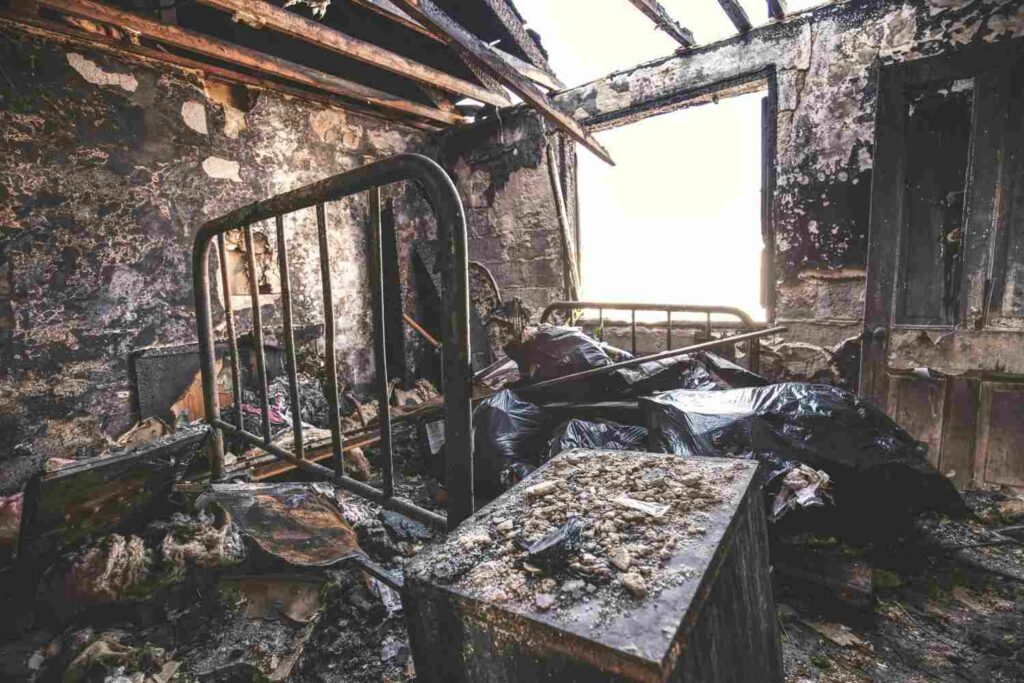
A fire damage insurance claim can help cover the cost of repairing your home, replacing damaged belongings, and recovering from a fire, depending on your policy. However, filing a fire damage insurance claim can feel overwhelming when you are also dealing with smoke damage, damaged rooms, temporary housing, and questions about what to do next.
For homeowners in Bloomington and Normal, Illinois, the fire damage insurance claim process generally involves documenting the damage, notifying your insurance company, meeting with an adjuster, reviewing your coverage, and keeping records of repair costs. Taking organized steps from the beginning can help prevent avoidable delays and make it easier to understand what your policy may pay for.
Whether a fire affects one room or causes extensive damage throughout your property, knowing how to handle a fire damage insurance claim can make recovery more manageable.
This guide explains seven steps to take after a fire, common fire damage insurance claim mistakes to avoid, and how professional fire and smoke damage restoration can help document the damage and move your property toward recovery.
[Insert featured image here. Alt text: Homeowner reviewing a fire damage insurance claim after a house fire]
What Does a Fire Damage Insurance Claim Typically Cover?
Before you file a fire damage insurance claim, it helps to understand the types of losses that homeowners insurance may cover. Coverage varies by policy, the cause of the fire, applicable exclusions, and the limits listed in your insurance documents. The Insurance Information Institute offers general explanations of homeowners coverage if you want a plain-language overview.
Depending on your policy, coverage may include the following.
- Dwelling damage: Repairs to covered structural components, such as walls, ceilings, roofing, floors, and built-in features.
- Personal belongings: Replacement or repair of covered furniture, clothing, electronics, and other possessions damaged by fire or smoke.
- Smoke damage: Cleaning or replacement of materials and belongings affected by smoke, soot, and related residues.
- Additional living expenses: Certain extra costs of living elsewhere while covered damage makes your home uninhabitable, subject to policy terms and limits.
- Other covered structures: Damage to eligible detached structures, such as garages or sheds, depending on the policy.
- Debris removal: Certain costs associated with removing fire-damaged materials, as defined by the policy.
Not every expense in a fire damage insurance claim is automatically covered. Your policy may have separate limits, deductibles, exclusions, or special requirements for certain types of property.
For example, the cause of the fire may affect whether the loss is covered. Your policy may also distinguish between the cost to repair or replace property and the amount it pays after depreciation.
Read your policy carefully and ask your insurance representative to explain any terms you do not understand.
Fire Damage Insurance Claim: 7 Steps to Get Paid
After a fire, you may be tempted to begin cleaning immediately or throw away damaged belongings. Before doing so, take time to protect yourself, document the loss, and understand the claims process. Follow the steps below in order to keep your fire damage insurance claim organized from day one.
Step 1: Stay Safe and Start Your Fire Damage Insurance Claim
Your family’s safety comes first. Follow instructions from emergency responders and do not reenter the property until authorities say it is safe. Ready.gov’s home fire guidance and the National Fire Protection Association (NFPA) both publish safety information for the hours and days after a fire.
Even after the flames are extinguished, a building may contain hidden hot spots, unstable structural components, damaged electrical systems, or other hazards. Smoke and soot residues may also require specialized cleanup.
Once the immediate emergency is under control, notify your insurance company as soon as practical. Most insurers provide a claims phone number, mobile app, or online reporting process.
When you report the fire, be prepared to provide:
- Your policy number, if available.
- The property address.
- The date and approximate time of the fire.
- A brief description of the known damage.
- Your contact information and a safe way for the insurer to reach you.
You do not need to know the full extent of the damage before opening a claim. The initial report opens your fire damage insurance claim and allows the insurer to explain the next steps.
Ask for your claim number and the contact details of the person handling your claim. Keep this information with your other fire recovery records.
Step 2: Document the Damage for Your Fire Damage Insurance Claim
Documentation is one of the most important parts of any fire damage insurance claim. Clear records can help establish what was damaged and support discussions about the work needed to restore your property.
If it is safe to do so, take photographs and videos of affected rooms, visible structural damage, smoke staining, soot deposits, damaged belongings, and areas affected by firefighting water.
Capture both wide views of each room and close-up images of specific damage. Avoid entering unsafe areas or moving unstable materials to get a better picture.
You should also create a preliminary inventory of damaged belongings. Include details such as:
- Item name and description.
- Approximate age and original purchase price, if known.
- Current condition.
- Available receipts, warranties, or photographs.
- Whether the item appears repairable or needs replacement.
Do not worry if you cannot locate every receipt immediately. Other records, such as bank statements, order confirmations, and older photographs, may help establish ownership and value.
Keep copies of your photographs and inventory in a secure location outside the damaged property.
Important: Do not throw away damaged belongings or begin extensive cleanup before documenting them, unless removal is necessary for safety or to prevent additional damage. If items must be discarded promptly, photograph them first when it is safe and practical.
Step 3: Review Your Homeowners Insurance Policy
Your insurance policy explains what your fire damage insurance claim may include, which expenses are subject to limits, and what responsibilities you have after a fire.
Review the sections covering dwelling protection, personal property, additional living expenses, deductibles, exclusions, and claim procedures.
Pay attention to the difference between replacement cost and actual cash value.
Replacement cost coverage generally pays the covered cost to repair or replace damaged property with comparable property, subject to policy terms and limits.
Actual cash value generally accounts for depreciation or loss in value when determining payment. The exact calculation depends on the policy and applicable rules.
Some policies initially pay an actual cash value amount and release additional recoverable depreciation after eligible repairs or replacement are completed and documented. Other policies may work differently.
For example, if smoke damages a sofa, the amount initially paid may depend on the sofa’s age, condition, coverage type, and applicable policy limits. If the policy provides replacement cost benefits, you may need to submit proof of replacement to receive any remaining eligible payment.
Also review your deductible. This is the amount you are generally responsible for paying toward a covered loss before insurance benefits apply.
If anything is unclear, ask your insurance company to explain the relevant provision in writing. Understanding the policy early can help you plan for expenses that may not be covered.
Step 4: Meet With the Insurance Adjuster
After you report the loss, the insurance company will typically arrange an inspection or otherwise evaluate the damage. The adjuster assesses your fire damage insurance claim under the policy and helps determine what repairs or replacements may be covered. Depending on the claim, the insurer may request estimates, photographs, inventories, receipts, or other supporting information.
Before the inspection, organize your photographs, inventory, and any information about the fire. Make a list of questions and point out areas where damage may not be immediately visible.
Fire damage is not limited to burned materials. Smoke and soot can affect rooms beyond the area where the fire started, and firefighting water may soak floors, walls, insulation, and other building materials.
If you suspect hidden smoke damage or moisture, explain your concerns and ask how those areas will be evaluated.
You can also ask the adjuster:
- What parts of the property have been included in the estimate?
- How will smoke damage outside the burned area be assessed?
- Has water damage from firefighting efforts been considered?
- What additional documentation is needed?
- How will supplemental repair costs be handled if more damage is discovered?
An insurance estimate is an important part of the process, but it may not capture every problem that becomes apparent during restoration. Keep a record of questions, answers, and any follow-up requests.
Step 5: Arrange Professional Fire Damage Assessment and Cleanup
Fire damage can involve several types of contamination and building damage. The visible burn marks may be only one part of the restoration work required.
A professional restoration team can assess affected materials, identify areas that may need specialized cleaning, and help establish the scope of restoration. Their findings can support your fire damage insurance claim, although they do not decide what your policy covers.
Depending on the damage, the work may include:
- Removing soot and smoke residues from appropriate surfaces.
- Cleaning affected rooms and contents.
- Addressing persistent smoke odors.
- Extracting water left by firefighting efforts and drying wet building materials through water damage restoration.
- Removing damaged materials that cannot be restored.
- Coordinating repairs and reconstruction when needed.
Professional assessments, photographs, moisture readings, and itemized estimates may help you and your insurer understand the extent of the damage. However, restoration companies do not decide what your policy covers, and their estimates do not guarantee insurance payment.
Before authorizing major work, clarify the scope of services, costs, and payment arrangements. Ask your insurer whether it requires a particular form of estimate or additional approval before certain work begins.
Emergency measures to protect the property may need to happen quickly. Keep records of the work performed, the reason it was necessary, and the associated costs.
For homeowners in Bloomington and Normal, working with a restoration provider familiar with fire, smoke, and water damage can help coordinate the practical steps involved in recovery.
Step 6: Review the Settlement Offer and Submit Missing Costs
Once the insurance company has evaluated your fire damage insurance claim, it may provide an estimate or settlement offer describing the covered repairs and payment calculation.
Review the document carefully rather than focusing only on the total amount.
Compare the estimate with the damage identified during inspections and the work recommended by qualified contractors or restoration professionals.
Check whether the estimate accounts for:
- All affected rooms and building materials.
- Smoke and soot damage beyond the fire’s point of origin.
- Water damage caused by firefighting efforts.
- Appropriate cleaning and deodorization.
- Removal and replacement of damaged materials.
- Necessary repair and reconstruction work.
- Applicable local building requirements, where covered.
- Debris removal and other eligible expenses.
If something appears to be missing, ask the adjuster to explain the estimate. Provide photographs, professional findings, itemized estimates, or other supporting documentation for additional damage.
When hidden damage is discovered after work begins, the contractor may prepare a supplemental estimate. Submit it through the insurer’s required process before assuming the additional amount will be paid.
If the insurer’s proposed settlement seems insufficient, request a written explanation of the disputed items and the policy provisions used in the decision. You may be able to provide further evidence, request another inspection, or pursue the dispute process available under your policy.
Do not assume that an initial payment is necessarily the final amount. At the same time, do not assume every requested repair or estimate will automatically be approved.
Step 7: Keep Records Until Your Fire Damage Insurance Claim Is Resolved
A fire damage insurance claim can involve multiple inspections, estimates, payments, invoices, and requests for additional information. Keeping organized records helps you track the process and respond when the insurer needs more details.
Create a dedicated folder, either digital or physical, containing:
- Your policy information and claim number.
- Photographs and videos of the damage.
- Your personal property inventory.
- Adjuster reports and estimates.
- Restoration and contractor proposals.
- Invoices and receipts.
- Emails and letters from the insurer.
- Notes from phone calls, including dates and names.
- Records of temporary housing and other additional expenses.
Respond to reasonable documentation requests promptly and keep copies of everything you submit.
Track each payment and compare it with the settlement explanation. If your policy includes recoverable depreciation, ask what documentation and deadlines apply to receiving any remaining eligible benefits.
If a dispute continues or the claim is delayed without a clear explanation, consider contacting the Illinois Department of Insurance for information about your options. The National Association of Insurance Commissioners (NAIC) also publishes consumer resources on insurance claims. For complicated or high-value disputes, you may also wish to consult a qualified attorney or licensed public adjuster.
Do not sign a release or settlement agreement you do not understand. Ask questions and obtain professional advice when necessary before agreeing to terms that could affect your ability to seek additional payment.
What If Your Home Is Unlivable During a Fire Damage Insurance Claim?
A fire can make a home temporarily unsafe or unsuitable for occupancy, even when some rooms appear undamaged.
Depending on your policy and the circumstances, homeowners insurance may include additional living expenses (ALE) as part of your fire damage insurance claim. This coverage can help pay certain necessary increases in living costs while covered damage prevents you from living in your home.
Potentially eligible expenses may include:
- Temporary lodging.
- Additional meal costs compared with your normal expenses.
- Certain extra transportation or laundry costs.
- Other necessary expenses identified in your policy.
Coverage is subject to the policy’s terms, limits, and eligibility requirements. Ordinary household expenses you would have paid anyway may not qualify as additional costs.
Contact your insurer before making major arrangements when practical. Ask what expenses are eligible, whether lodging limits apply, how long benefits may be available, and what receipts you must provide.
Keep receipts and a simple record of the reason for each expense. If emergency circumstances prevent you from getting advance approval, document what happened and contact your insurer as soon as possible.
If authorities have restricted access to the home, follow their instructions. Do not return to collect belongings or inspect damage until entry is permitted.
Common Fire Damage Insurance Claim Mistakes to Avoid
Even when a fire is overwhelming, a few precautions can help keep your fire damage insurance claim on track and prevent unnecessary complications.
Starting Major Repairs Without Documentation
Emergency work may be necessary to protect the property, but extensive cleanup or demolition can remove evidence of the original damage.
Take photographs before work begins whenever it is safe. Keep invoices and document why urgent work was needed.
Discarding Damaged Belongings Too Soon
Soot-covered clothing, burned furniture, and damaged electronics may be important to your personal property claim.
Document damaged items and ask your insurer about any inspection requirements before disposing of them, unless safety or urgent cleanup requires removal.
Overlooking Smoke and Water Damage
Fire can damage materials outside the burned area through smoke, soot, heat, and firefighting water.
Do not assume that an unaffected-looking room is free from damage. Include suspected areas in your documentation and ask how they will be assessed.
Accepting an Estimate Without Reviewing It
An estimate may omit damage that was hidden during the first inspection or may not reflect the full work required.
Review the details, ask questions, and provide additional evidence when you believe an item has been overlooked.
Failing to Keep Receipts
Temporary lodging, emergency services, cleaning, and other expenses may need to be documented for reimbursement consideration.
Keep itemized receipts and confirm which expenses are eligible under your policy.
Assuming Every Fire-Related Loss Is Covered
Coverage depends on the policy and the circumstances of the loss. Exclusions, limits, deductibles, and specific conditions may apply.
Ask your insurer to explain coverage decisions and provide the relevant policy language if you need clarification.
How PuroClean of Bloomington Can Help With Your Fire Damage Insurance Claim
Recovering from a fire involves more than repairing the area where flames were present. Smoke residues, persistent odors, and water from firefighting efforts may affect multiple parts of a property.
PuroClean of Bloomington provides fire and smoke damage restoration, water damage restoration, and reconstruction services for property owners in Bloomington, Normal, and surrounding communities.
Depending on the damage, restoration work may include assessing affected areas, removing soot and smoke residues using appropriate methods, addressing water damage, drying materials, and coordinating repairs.
Documentation from restoration work, including photographs, moisture assessments, and itemized estimates where applicable, may help support communication with your insurance company about your fire damage insurance claim. The insurer remains responsible for determining coverage and payment under your policy.
If your property has experienced a fire, prioritize safety and contact your insurance company to open a claim. Avoid entering unsafe areas or attempting to clean extensive soot damage without appropriate precautions.
For professional restoration assistance, contact PuroClean of Bloomington or call (309) 433-0900. Emergency restoration services are available 24/7.
Frequently Asked Questions About a Fire Damage Insurance Claim
1. How long does a fire damage insurance claim take?
The timeline for a fire damage insurance claim depends on the severity of the fire, the complexity of the damage, the policy, the availability of documentation, and whether the insurer needs additional inspections. A straightforward claim may progress relatively quickly, while extensive structural damage or disputed estimates can take considerably longer. Ask your adjuster for a status update and keep records of outstanding requests.
2. What should I do if my fire damage insurance claim is denied?
Request the denial in writing and review the policy language and reasons provided. Check whether additional photographs, inspection findings, receipts, or other evidence could clarify the circumstances. You can ask the insurer to reconsider its decision and review the appeal or dispute procedures available under your policy. The Illinois Department of Insurance can provide information about consumer options.
3. Will insurance pay for smoke damage if there was no fire in that room?
Possibly. Smoke and soot can travel into rooms far from the fire’s origin, so a fire damage insurance claim may include them. Whether the resulting damage is covered depends on the policy and circumstances of the loss. Document the affected areas and ask the adjuster to evaluate them rather than assuming only visibly burned rooms qualify.
4. Does homeowners insurance pay for temporary housing after a fire?
Some homeowners policies include additional living expenses when covered damage makes the home uninhabitable. Eligible expenses, payment limits, and the duration of coverage depend on the policy. Contact your insurer to confirm requirements and keep receipts for temporary lodging and other additional costs.
5. Should I hire a restoration company before the insurance adjuster visits?
You can contact a restoration company early to discuss safety, assessment, and necessary emergency measures. If possible, document the damage before cleanup begins and ask the insurer about inspection requirements for your fire damage insurance claim. Do not delay urgent work needed to protect people or prevent further damage, but keep records and confirm the approval process for major repairs.
Conclusion: Take Organized Steps Toward Your Fire Damage Insurance Claim
A fire damage insurance claim can involve many decisions, from documenting burned belongings to reviewing estimates and arranging repairs. Starting with safety, reporting the loss promptly, and keeping detailed records can help you navigate the process with greater confidence.
Remember to document fire, smoke, and firefighting water damage; understand your policy’s coverage and limits; review the adjuster’s estimate; and submit additional evidence when necessary. If the settlement does not address the documented damage, ask questions and use the dispute procedures available to you.
For homeowners in Bloomington and Normal, professional restoration can help assess affected materials, address smoke and water damage, and prepare the property for repairs. Pairing a thorough restoration process with organized insurance documentation can make your fire damage insurance claim more manageable. Call (309) 433-0900 to get started.