Water damage can start with something as small as a leaking pipe or clogged gutter and quickly spread through your home. Understanding the causes of water damage in homes can help you spot warning signs early, prevent avoidable problems, and know when professional restoration is needed. PuroClean of Bloomington helps homeowners in Bloomington, Normal, and nearby communities respond quickly when water damage strikes.
1. What Are the Most Common Causes of Water Damage in Homes?
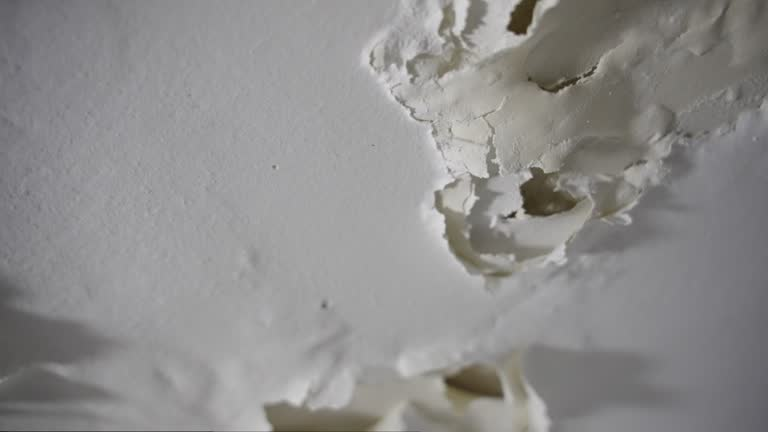
Water can enter your home in many ways, and not every problem starts with a major flood. Some of the most common causes involve plumbing, appliances, storms, drainage, and hidden leaks.
Knowing what to watch for gives you a better chance of catching a problem before it becomes a major restoration project.
Here are six common causes of water damage in homes:
- Leaking or burst pipes: A damaged pipe can release water into walls, ceilings, floors, or cabinets.
- Appliance leaks: Washing machines, dishwashers, refrigerators, and water heaters can develop leaks or suddenly fail.
- Clogged gutters and downspouts: Poor drainage can send large amounts of water toward your foundation.
- Heavy rain and storms: Intense rainfall can overwhelm drainage systems and allow water to enter through vulnerable areas.
- Roof leaks: Damaged shingles, flashing, or roof penetrations can allow water into attics, ceilings, and walls.
- Sump pump failure: A failed sump pump can leave your basement vulnerable when groundwater levels rise.
These problems can happen in any season, which is why routine maintenance matters throughout the year.
2. Can Leaking or Burst Pipes Cause Water Damage?

Plumbing problems are one of the most common causes of water damage in homes. A pipe hidden behind a wall may leak slowly for weeks, while a burst pipe can release a large amount of water in a short period.
Even a small plumbing leak shouldn’t be ignored.
Watch for these warning signs:
- Water stains: Brown, yellow, or discolored areas on ceilings and walls can indicate moisture.
- Damp cabinets: Moisture underneath sinks can point to a leaking supply line or drain.
- Unexplained puddles: Water appearing without an obvious source deserves attention.
- Low water pressure: A sudden change can sometimes signal a plumbing issue.
- Musty odors: Persistent damp smells may indicate moisture hiding behind surfaces.
How Can You Prevent Plumbing Water Damage?
You don’t need to be a plumbing expert to catch potential problems early.
- Check exposed pipes and connections regularly for dripping or corrosion.
- Inspect areas beneath sinks for moisture or damaged plumbing connections.
- Know where your main water shutoff valve is located.
- Replace visibly worn or damaged hoses before they fail.
- Address small leaks instead of waiting for them to become larger problems.
If a pipe suddenly bursts, shut off the water if you can safely do so and contact a professional if significant water has entered your home.
3. How Can Household Appliances Cause Water Damage?

Your appliances may make everyday life easier, but many of them use or store water. When a hose, seal, connection, or internal component fails, water can spread across floors surprisingly quickly.
Washing machines and water heaters deserve particular attention because a failure can release a substantial amount of water.
To reduce your risk:
- Inspect washing machine hoses: Look for cracks, bulges, corrosion, or signs of wear.
- Check around your water heater: Look for puddles, dampness, rust, or other signs of leaking.
- Inspect dishwasher connections: Check beneath and around the appliance for moisture.
- Watch your refrigerator: Water supply lines and ice maker connections can leak.
- Avoid ignoring small drips: A minor leak can eventually damage flooring, cabinets, or nearby walls.
You should also pay attention to appliances that are older or showing signs of wear. Replacing a worn component may be far less disruptive than dealing with a major water loss.
4. Can Storms and Heavy Rain Cause Water Damage?

Severe weather is another major contributor to the causes of water damage in homes, especially when heavy rainfall arrives faster than your property can handle it.
Water may enter through a damaged roof, overwhelmed drainage system, basement window, foundation opening, or other vulnerable area.
Before the next major storm, take a few minutes to inspect your property.
- Clean your gutters: Leaves and debris can prevent rainwater from flowing properly.
- Check your downspouts: Make sure they direct water away from your foundation.
- Inspect your roof: Look for damaged shingles, missing materials, or visible areas of concern.
- Check basement openings: Inspect windows and other areas where water could enter.
- Watch your yard: Areas where water repeatedly pools may indicate drainage problems.
After a major storm, don’t assume your home is fine just because you don’t see standing water.
Check ceilings, walls, basements, and other areas for stains, dampness, unusual odors, or other signs of moisture.
5. How Do Roof Leaks Lead to Water Damage?
Your roof protects your home from rain, snow, and other weather. When that protection is compromised, water can travel through roofing materials and into areas you may not notice right away.
A roof leak doesn’t always produce an obvious ceiling drip.
Water can move through attic insulation, framing, ceilings, and walls before becoming visible.
Look for:
- Water stains on ceilings or walls.
- Damp attic insulation.
- Peeling or bubbling paint.
- Musty smells in upper areas of your home.
- Visible roof damage after a storm.
How Can You Prevent Roof-Related Water Damage?
Regular inspections can help you identify vulnerabilities before the next storm.
- Have your roof inspected when you notice damaged or missing shingles.
- Keep gutters and downspouts clear.
- Check flashing around roof penetrations and other vulnerable areas.
- Look for signs of water intrusion in the attic after severe weather.
- Address roof damage promptly rather than waiting for an interior leak.
If you discover water damage after a roof leak, don’t focus only on the visible stain. Moisture may have traveled farther than you can see.
6. Why Is Sump Pump Failure One of the Causes of Water Damage in Homes?
Your basement can be particularly vulnerable when groundwater levels rise. That’s why a sump pump plays an important role in many homes.
When the pump fails during heavy rain, water can accumulate in the basement and damage flooring, walls, furniture, stored belongings, and other materials.
A few simple checks can help you identify problems before you need the pump most.
- Test the pump: Make sure it activates and removes water properly.
- Inspect the discharge line: Confirm that water has a clear path away from your home.
- Remove debris: Keep the pump and surrounding area clear.
- Consider backup protection: A backup pump or power solution can provide additional protection during an outage.
- Pay attention to unusual sounds: Changes in how your pump operates may indicate a developing problem.
Don’t wait until a major storm to discover that your sump pump isn’t working.
7. How Can You Prevent Water Damage Before It Starts?
Understanding the causes of water damage in homes is only useful if you turn that knowledge into action. Regular maintenance can help you catch leaks, drainage issues, and other vulnerabilities before they cause extensive damage.
Create a simple home water-damage prevention routine.
Check Your Plumbing
Look under sinks, around toilets, near appliances, and wherever exposed plumbing is accessible.
Don’t ignore small drips or unexplained moisture.
Maintain Your Gutters
Clean gutters and make sure downspouts move water away from the foundation.
If water consistently pools near your home, investigate the drainage issue rather than allowing it to continue.
Monitor Your Basement
Check your basement regularly for dampness, stains, musty smells, or other changes.
A small moisture problem can become much harder to manage if it goes unnoticed.
Inspect After Severe Weather
After heavy rain or a major storm, check your roof, attic, ceilings, basement, and other vulnerable areas.
Catching a leak early can help limit the amount of water that reaches your home’s interior.
Know Your Shutoffs
Knowing where your main water shutoff valve is can save valuable time during a plumbing emergency.
Make sure other members of your household know where it is, too.
Learn How to Prevent Basement Water Damage
8. What Should You Do If Water Damage Happens?
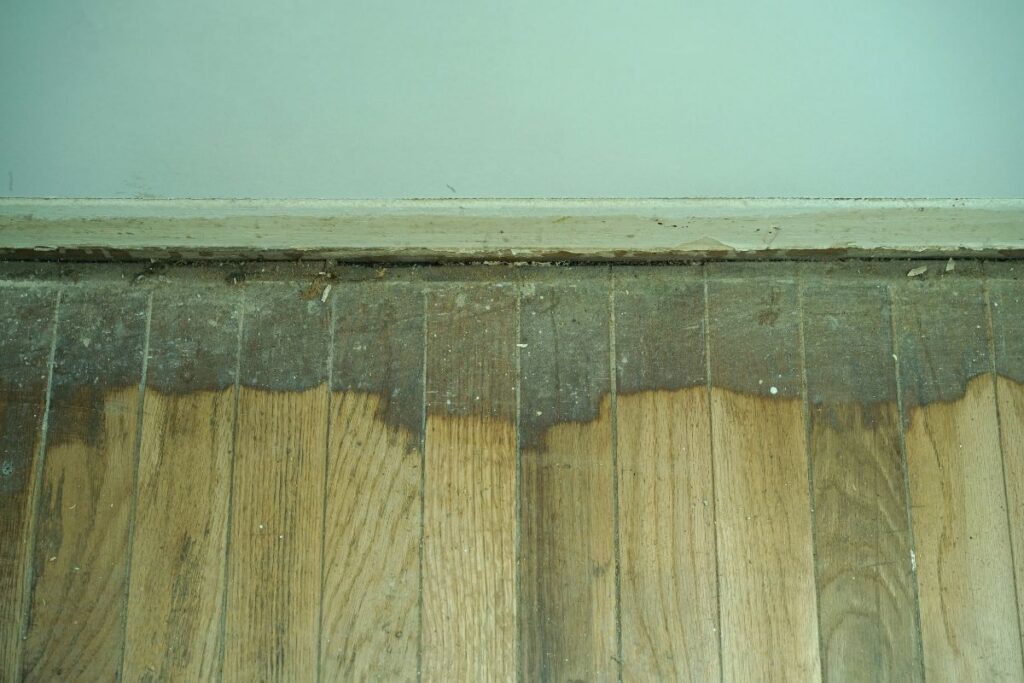
Even with regular maintenance, water damage can still happen. When it does, your response can make a difference.
Start by focusing on safety and stopping the source when possible.
- Stop the water: Shut off the water supply if the problem is a plumbing failure and it is safe to do so.
- Protect your belongings: Move furniture and valuables away from affected areas if you can safely reach them.
- Avoid electrical hazards: Don’t enter standing water if electrical equipment, outlets, or wiring may be affected.
- Document the damage: Take photos and videos of affected areas when it is safe.
- Get professional help: Significant water damage may require professional extraction, drying, and restoration.
Don’t assume that removing visible water means the problem is solved.
Moisture can remain inside flooring, walls, insulation, cabinets, and other materials. Professional moisture detection and drying can help identify areas that still need attention.
If you’re already dealing with water damage, call PuroClean of Bloomington at (309) 433-0900 for a fast response.
9. When Should You Call a Water Damage Restoration Professional?
A small, isolated leak may seem manageable, but larger water losses can become complicated quickly. If water has spread through multiple areas or entered building materials, professional restoration can help address the damage more thoroughly.
Consider professional water damage restoration when:
- Water has spread across a large portion of your home.
- Flooring, drywall, ceilings, or insulation are wet.
- You cannot find the source of the water.
- Water has entered areas you cannot easily access.
- Your basement has significant standing water.
- Sewage or contaminated water is involved.
- A storm has caused extensive water intrusion.
- You continue to notice moisture or musty odors after cleanup.
Professional restoration can include water extraction, moisture detection, structural drying, cleaning, and repairs or reconstruction when needed.
PuroClean of Bloomington provides water damage restoration services for homeowners in Bloomington, Normal, and surrounding communities. Our team is available 24/7 when you need help responding to an unexpected water loss.
FAQs About Causes of Water Damage in Homes
What are the most common causes of water damage in homes?
Common causes include leaking or burst pipes, appliance failures, clogged gutters, heavy rain, roof leaks, foundation problems, and sump pump failures. Some problems happen suddenly, while others develop slowly over time.
How can I prevent water damage in my home?
Regularly inspect plumbing, appliances, gutters, downspouts, roofing, and your sump pump. Fix small leaks promptly and check vulnerable areas after severe weather.
Can a small leak cause serious water damage?
Yes. A small leak that continues over time can allow moisture to spread into flooring, drywall, insulation, cabinets, and other materials. Hidden moisture can also create additional problems if it isn’t addressed.
How do I know if I have hidden water damage?
Look for musty odors, water stains, peeling paint, warped flooring, damp walls, soft materials, or unexplained moisture. If you suspect water is hiding behind a surface, professional moisture detection can help locate affected areas.
What should I do first when my home has water damage?
If it is safe, stop the source of the water and keep away from electrical hazards. Protect valuable belongings, document the damage, and contact a professional restoration company when significant water has entered your home.
Final Thoughts – Prevent Water Damage Before a Small Problem Becomes a Big One
The causes of water damage in homes can range from plumbing leaks and appliance failures to storms, roof problems, clogged gutters, and sump pump failures. Regular inspections and quick action can help you catch many problems early, while professional restoration can help when water has already spread into your home.
If water damage has already affected your Bloomington or Normal home, don’t wait for the visible damage to tell the whole story.
📞 Call PuroClean of Bloomington for water damage restoration today at (309) 433-0900, or visit our website.
Don’t let water damage spread through your home, get trusted professional help today.