 PuroClean Of Bloomington
 Mold in home environments has become one of the most underestimated threats to property ownership in 2026, with thousands of homeowners across Bloomington, Normal, and Peoria, IL facing devastating financial losses due to hidden mycotoxin contamination. This comprehensive guide reveals the seven critical steps you must take immediately to protect your home from mold damage, explains why traditional approaches fail, and shows you how professional intervention from PuroClean of Bloomington can save your most valuable asset. Whether you’re dealing with visible mold growth or suspect hidden contamination, understanding these prevention strategies could mean the difference between keeping your home and losing everything you’ve worked for.

Table of Contents
The Hidden Crisis: Why Mold in Home Cases Are Skyrocketing in 2026
Let’s talk about something nobody wants to discuss at dinner parties but everyone should know about. Mold in home situations have exploded across Central Illinois, and it’s not just because we’ve had wetter winters. The real culprit? A perfect storm of aging infrastructure, energy-efficient homes that trap moisture, and homeowners who simply don’t know what they’re looking for until it’s too late.
A homeowner in Normal recently discovered this the hard way. After noticing a musty smell in their basement, they ignored it for six months, thinking it was just “old house smell.” By the time they called for help, the mold in home had spread behind the drywall, into the HVAC system, and even contaminated their stored belongings. The remediation cost? Over $35,000. The emotional toll? Immeasurable.
Here’s the thing that keeps restoration professionals up at night: most homeowners in Bloomington and Peoria have no idea that their insurance policies are changing. In 2026, many carriers are adding stricter clauses about mold coverage, requiring proof of regular maintenance and immediate response to water damage. Miss these requirements, and you might find yourself footing the entire bill.
Understanding Mycotoxins: The Invisible Threat in Your Walls
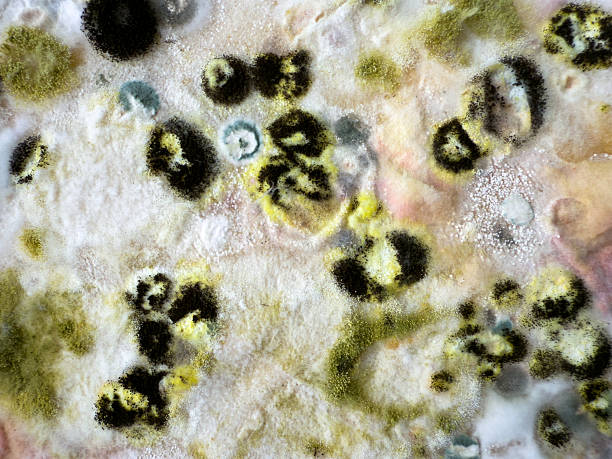
Now, you might be thinking, “It’s just mold, right? I’ll spray some bleach and call it a day.” Wrong. So very wrong. Mycotoxins are the toxic compounds produced by certain mold species, and they’re about as welcome in your home as a skunk at a garden party.
These microscopic troublemakers can cause respiratory issues, neurological problems, chronic fatigue, and a host of other health concerns that doctors often misdiagnose because they’re not thinking about environmental factors. One client in Peoria spent two years visiting specialists for unexplained headaches and dizziness before someone finally suggested testing their home for mold. Guess what they found? Black mold hiding behind the bathroom tiles, quietly pumping mycotoxins into the air every single day.
The scary part about mold in home environments is that you can’t always see it. It loves dark, damp spaces like crawl spaces, behind wallpaper, under carpets, and inside wall cavities. By the time you spot visible growth, you’re often looking at a much larger problem that’s been brewing for months.
Step 1: Conduct a Professional Mold Inspection Immediately
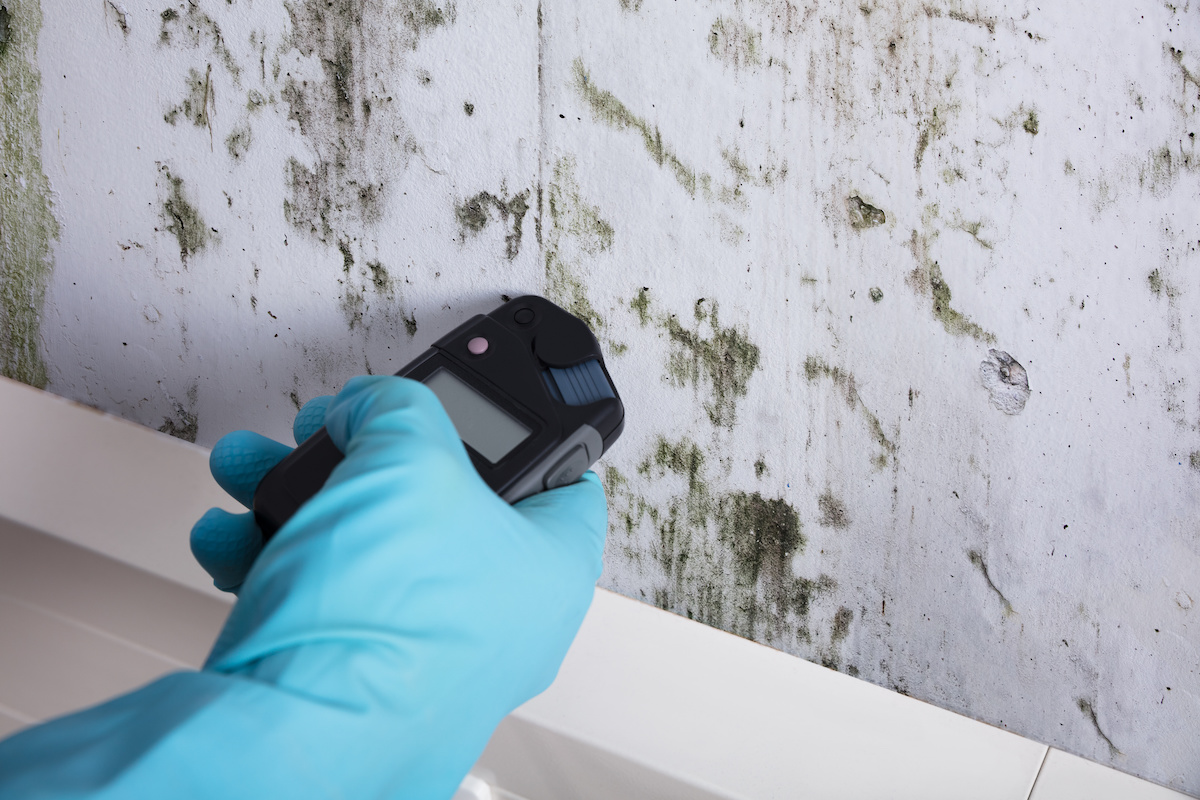
Here’s your first critical action: stop guessing and start knowing. A proper mold inspection isn’t something you can DIY with a Home Depot kit and a YouTube video. Professional mold inspectors use thermal imaging cameras, moisture meters, and air quality testing equipment that can detect problems you’d never spot with the naked eye.
PuroClean of Bloomington offers comprehensive mold inspections that go beyond surface-level observations. Their certified technicians understand the unique challenges of Central Illinois homes, from our clay-heavy soil that causes foundation issues to our temperature swings that create condensation problems. When you’re dealing with mold in home situations, local expertise matters more than you might think.
During an inspection, professionals check all the usual suspects: bathrooms, kitchens, basements, and attics. But they also investigate areas most homeowners forget, like behind appliances, inside HVAC ducts, and around window frames. One homeowner in Bloomington was shocked when inspectors found significant mold growth inside their refrigerator’s drip pan. Who even knew that was a thing?
Step 2: Fix All Water Intrusion Issues Within 24-48 Hours
Listen up, because this is where most people lose the battle against mold in home growth. Water is mold’s best friend, and if you give it more than 24 to 48 hours to settle in, you’re basically sending out party invitations to every mold spore in the neighborhood.
That leaky pipe under the sink? Fix it today, not next weekend. The roof that drips when it rains hard? Get it repaired now, not when it’s convenient. The basement that gets a little damp after storms? That needs immediate attention, not a “we’ll deal with it eventually” approach.
PuroClean of Bloomington operates 24/7 emergency services precisely because water damage doesn’t wait for business hours. They’ve responded to midnight pipe bursts, weekend storm damage, and holiday disasters throughout Normal, Bloomington, and Peoria. Their rapid response teams understand that every hour counts when you’re racing against mold growth.
A client once called them on Thanksgiving Day after their water heater burst. While other companies had voicemail messages saying they’d return calls on Monday, PuroClean had a team on-site within two hours, extracting water and setting up industrial dehumidifiers. That quick response prevented what would have been a massive mold in home disaster.
Step 3: Maintain Proper Humidity Levels Throughout Your Home
Your home’s humidity level should stay between 30% and 50%. Not 60%. Not 70%. And definitely not that tropical 80% some Bloomington homes hit during our muggy summers. You need a quality hygrometer (they’re like $15 on Amazon, people) and you need to actually pay attention to it.
High humidity is like an all-you-can-eat buffet for mold. It thrives in moisture-rich environments, and once it establishes itself, getting rid of mold in home spaces becomes exponentially more difficult. Dehumidifiers aren’t just nice to have; they’re essential equipment for any homeowner serious about prevention.
Basements are particularly tricky in Central Illinois. The soil here holds moisture like a sponge, and without proper waterproofing and dehumidification, your basement is basically a mold incubator. One Normal homeowner learned this lesson after storing their entire wedding photo collection in their “dry” basement. Spoiler alert: it wasn’t dry, and those photos were total losses.
Step 4: Improve Ventilation in High-Moisture Areas
Bathrooms, kitchens, laundry rooms, and anywhere else steam and moisture congregate need serious ventilation. That means exhaust fans that actually work (not just move air around), windows that open, and proper airflow throughout the space.
Here’s a fun test: turn on your bathroom exhaust fan and hold a tissue up to it. Does it stick? Congratulations, your fan actually works. Does it flutter weakly or fall? Time for an upgrade. Poor ventilation is one of the top contributors to mold in home situations that PuroClean of Bloomington encounters.
Kitchens present their own challenges. Cooking generates tons of moisture, and if you’re not venting it outside (not into the attic, outside), you’re asking for trouble. One Peoria family discovered mold growing on their kitchen ceiling after years of making pasta without using their range hood. The steam had nowhere to go except into their drywall, creating a perfect mold habitat.
Step 5: Clean and Maintain Your HVAC System Regularly
Your HVAC system is either your best defense against mold in home growth or it’s a distribution system spreading spores to every room in your house. Which one it becomes depends entirely on how well you maintain it.
Change your filters every 30 to 90 days depending on usage and filter quality. Have your ducts professionally cleaned every three to five years. Get annual HVAC inspections that include checking the condensate drain line (this thing clogs more often than you’d believe) and ensuring proper airflow throughout the system.
PuroClean of Bloomington has seen HVAC-related mold disasters that would make you weep. One client in Bloomington hadn’t changed their filter in over two years. When technicians removed it, the filter was so caked with debris and mold growth that it had essentially sealed off airflow to half the house. The mold had spread into the ductwork, requiring extensive remediation and duct replacement.
Your HVAC system’s condensate line deserves special attention. This little pipe removes moisture from your air conditioning system, and when it clogs (which it loves to do), water backs up into your unit and can overflow into walls or ceilings. Flush this line with vinegar every few months. Your future self will thank you.
Step 6: Address Outdoor Drainage and Foundation Issues
Mold in home problems often start outside. If water is pooling around your foundation, seeping into your crawl space, or finding creative ways into your basement, you’ve got a mold invitation sitting on your doorstep.
Your gutters need to be clean and directing water at least six feet away from your foundation. Your grading should slope away from the house. Downspout extensions aren’t optional decorations; they’re essential mold prevention tools. And if you’ve got foundation cracks, get them sealed by professionals who understand Central Illinois soil conditions.
One homeowner in Normal ignored a small foundation crack for three years because “it wasn’t leaking much.” By the time they called PuroClean of Bloomington, water had been slowly seeping into their crawl space, creating a mold colony that had spread into their floor joists. The repair cost exceeded $20,000, all because a $500 foundation repair seemed like something that could wait.
French drains, sump pumps, and proper landscaping aren’t glamorous home improvements, but they’re infinitely cheaper than dealing with extensive mold in home remediation. PuroClean of Bloomington can assess your property’s drainage issues and recommend solutions before small problems become catastrophic disasters.
Step 7: Create an Emergency Response Plan with PuroClean of Bloomington
Here’s the final step that separates homeowners who successfully prevent mold disasters from those who lose their homes: having a professional restoration company’s number programmed into your phone before disaster strikes.
PuroClean of Bloomington specializes in rapid response to water damage, storm damage, and mold emergencies throughout Bloomington, Normal, and Peoria, IL. They understand that mold in home situations require immediate professional intervention, not weekend warrior attempts that often make things worse.
Their team uses hospital-grade antimicrobials, HEPA filtration systems, and containment procedures that prevent cross-contamination. They work directly with insurance companies to document damage and streamline claims. And they don’t just remove visible mold; they address the underlying moisture issues that caused the problem in the first place.
One client discovered this comprehensive approach after a severe storm caused roof damage that led to water intrusion in their Peoria home. PuroClean didn’t just dry out the water damage. They identified hidden moisture in wall cavities, addressed ventilation issues that would have caused future problems, and educated the homeowner on prevention strategies. That’s the difference between a restoration company and a true restoration partner.
People also read this: How PuroClean of Bloomington Helps Homeowners Recover from Weather Damage
The Real Cost of Ignoring Mold in Home Problems
Let’s talk numbers, because sometimes that’s what it takes to motivate action. The average mold remediation costs between $500 and $6,000 for minor cases. Extensive mold in home contamination can run $10,000 to $30,000 or more. But here’s the kicker: if mold damage is severe enough, your home can become legally uninhabitable, and you could face condemnation.
Beyond financial costs, there are health implications that don’t show up on repair estimates. Chronic exposure to mold and mycotoxins can lead to long-term health issues that require ongoing medical care. Children and elderly family members are particularly vulnerable. One family in Bloomington discovered their child’s persistent asthma wasn’t allergies at all but a reaction to mold in home air quality issues. After remediation, the symptoms improved dramatically.
Then there’s the real estate impact. If you ever try to sell a home with a history of mold problems, buyers will discover it during inspections. Even fully remediated mold situations must be disclosed in Illinois, and they can tank your home’s value or kill deals entirely. Prevention isn’t just about avoiding remediation costs; it’s about protecting your property’s long-term value.
Why Professional Intervention Matters More Than DIY Solutions
YouTube has convinced an entire generation that every problem has a DIY solution. While that’s true for building shelves or painting walls, it’s dangerous thinking when dealing with mold in home situations. Here’s why: improper mold remediation spreads spores throughout your home, making the problem exponentially worse.
Professional remediation involves containment barriers, negative air pressure systems, proper disposal procedures, and thorough cleaning that eliminates mold at the source. PuroClean of Bloomington’s certified technicians follow IICRC standards and use equipment that most homeowners don’t own and wouldn’t know how to operate correctly.
That bottle of bleach in your laundry room? It kills surface mold on non-porous materials but doesn’t penetrate porous materials like drywall or wood. Worse, the water in bleach solution actually feeds mold growth in porous materials. So your DIY attempt might make visible mold disappear while actually making the underlying problem worse.
One well-intentioned homeowner in Peoria spent a weekend scrubbing visible mold in their basement with bleach and water. They felt accomplished until PuroClean’s inspection revealed they’d spread mold spores throughout their ductwork and actually increased moisture levels in the walls. Professional remediation ended up costing more because of the DIY attempt.
Taking Action Today Protects Your Tomorrow
The homeowners who successfully prevent mold in home disasters share one common trait: they act immediately when they spot warning signs. They don’t wait until next month. They don’t convince themselves it’s not that bad. They pick up the phone and call professionals who can assess the situation accurately.
PuroClean of Bloomington serves as your partner in protecting your home investment. Their team brings decades of combined experience dealing with Central Illinois’s unique climate challenges, from our flooding springs to our humid summers and freeze-thaw winters that wreak havoc on foundations.
Whether you’re dealing with visible mold growth, suspect hidden contamination, or simply want a professional assessment of your home’s vulnerability, taking action today prevents the devastating losses that thousands of homeowners face when mold in home problems spiral out of control.
Frequently Asked Questions About Mold in Home
Q: How quickly can mold start growing after water damage?
A: Mold can begin growing within 24 to 48 hours after water exposure. This is why immediate response to any water intrusion is critical for preventing mold in home environments. PuroClean of Bloomington’s emergency response teams are available 24/7 to address water damage before mold has a chance to establish itself. The faster you act, the better your chances of preventing extensive remediation costs.
Q: Can I remove mold in home spaces myself, or do I need professionals?
A: Small surface mold on non-porous materials (less than 10 square feet) can sometimes be handled with proper precautions, but any mold in home situation involving porous materials, hidden growth, or areas larger than 10 square feet requires professional remediation. DIY attempts often spread spores and worsen contamination. PuroClean of Bloomington uses containment procedures and specialized equipment to safely remove mold without cross-contamination.
Q: What are the first signs of mold problems I should watch for?
A: Watch for musty odors, visible discoloration on walls or ceilings, increased allergy symptoms, water stains, peeling wallpaper, and condensation on windows. In Bloomington, Normal, and Peoria homes, basements and crawl spaces are common problem areas. If you notice any of these signs, schedule a professional inspection immediately rather than waiting for the problem to worsen.
Q: Does homeowners insurance cover mold remediation?
A: Coverage varies significantly by policy. Most homeowners insurance covers mold in home remediation if it results from a covered peril like sudden pipe bursts, but not if it results from long-term neglect or maintenance issues. In 2026, insurance companies are becoming stricter about requiring documented rapid response to water damage. PuroClean of Bloomington works directly with insurance companies to document damage and help with claims processes.
Q: How can I prevent mold growth during humid Illinois summers?
A: Maintain indoor humidity levels between 30% and 50% using dehumidifiers, ensure proper ventilation in bathrooms and kitchens, run your air conditioning regularly, check for and repair any leaks immediately, and ensure your home has adequate airflow. PuroClean of Bloomington can assess your home’s ventilation and moisture control systems to identify vulnerabilities before mold in home problems develop.
Protect Your Home Today: Contact PuroClean of Bloomington
Don’t wait until mold in home problems destroy your property value, threaten your health, or create financial devastation. PuroClean of Bloomington stands ready to help homeowners throughout Bloomington, Normal, and Peoria, IL with comprehensive mold prevention, inspection, and remediation services.
Call PuroClean of Bloomington now at (309) 433-0900 for immediate assistance or to schedule a professional mold inspection.
Our certified technicians are available 24/7 for emergency response because mold and water damage don’t wait for convenient times. Whether you’re facing an immediate crisis or want proactive assessment of your home’s vulnerability, we’re your local experts in protecting Central Illinois homes from mold damage.
Visit us online to schedule an inspection, learn more about our services, read testimonials from satisfied customers, and discover why we’re the trusted name in restoration throughout Central Illinois.
Your home is likely your largest investment. Protect it with the proven expertise of PuroClean of Bloomington, where we don’t just restore properties, we restore peace of mind.


 PuroClean Of Bloomington