


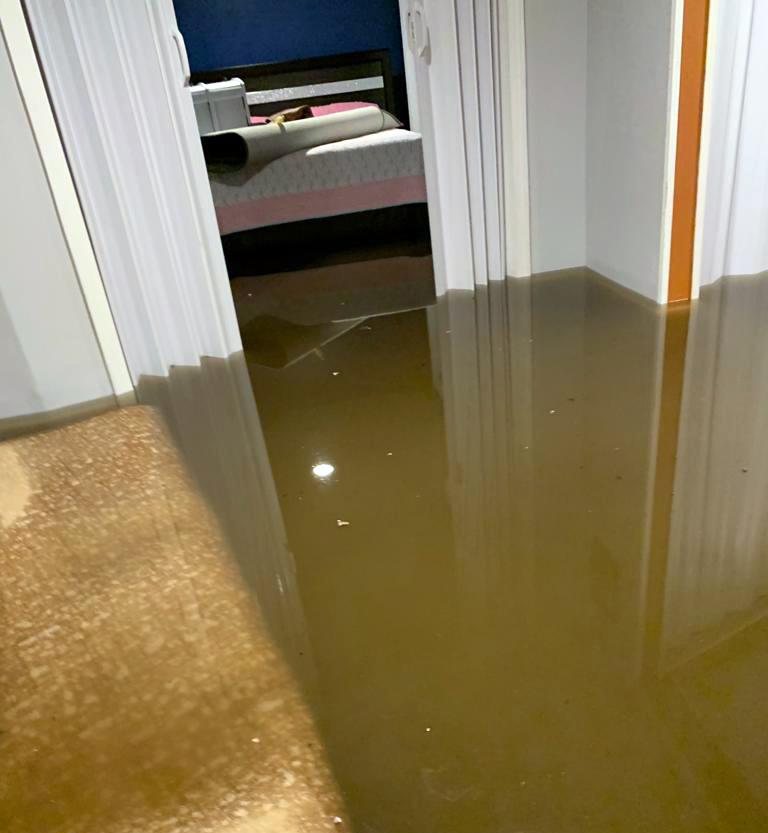
Basement flooding in Bloomington homes is more common than you might think—and if you’re wondering what causes it or how to stop it, this guide is for you. In this blog, we’ll explore the five most frequent culprits behind basement flooding in our area and explain how our team at PuroClean of Bloomington tackles each one. Whether it’s poor drainage, sewer backups, or sump pump failure, we’ll show you not only why it happens but how we fix it. You’ll also get prevention tips and insight into when it’s time to call in a professional.
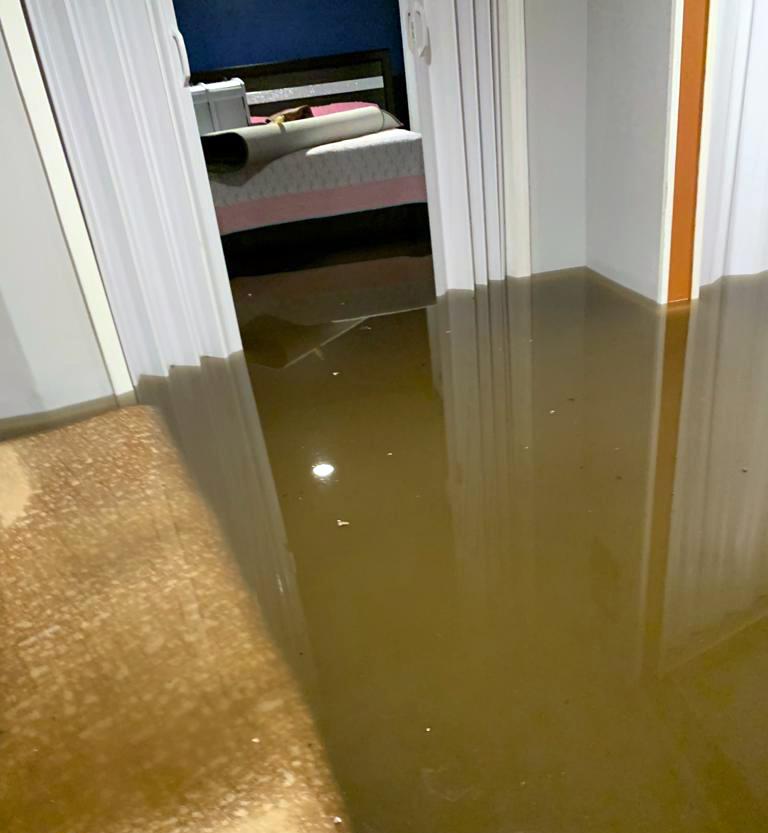
Table of Contents
Why Basement Flooding in Bloomington Homes Happens More Often Than You Think
Living in Bloomington means dealing with a mix of seasonal rains, older homes with aging infrastructure, and occasional deep freezes in winter—all of which can make your basement vulnerable. And once water gets in, it doesn’t just soak into the floor. It can destroy insulation, damage electrical systems, and lead to dangerous mold growth. That’s why understanding the root causes is critical.
Let’s walk through the top 5 causes of basement flooding in Bloomington homes, and how PuroClean’s restoration experts resolve each one.
1. Heavy Rain and Poor Yard Grading
This is a major cause of basement flooding in Bloomington homes. After a hard rain, water should flow away from your house—not toward it. But in many Bloomington neighborhoods, older homes were built without modern grading practices. Over time, soil erosion or landscaping changes can cause water to pool around your foundation.
🔧 How We Fix It:
At PuroClean, we start with a detailed moisture inspection around your property. Our team pinpoints where runoff is collecting and identifies any grading issues. From there, we work with trusted landscaping partners to recommend regrading solutions and install French drains if needed. Inside, we remove standing water, dry the space, and use moisture meters to ensure all hidden dampness is gone.
2. Failing or Overwhelmed Sump Pumps
A sump pump is your basement’s first line of defense. But if it’s old, clogged, or overwhelmed during a storm, water quickly builds up and floods your space.
🔧 How We Fix It:
We’ll inspect the sump pump system for mechanical failure, clogs, or power supply issues. If it’s salvageable, we clean and repair it. If not, we refer trusted contractors to install a new unit—often with a backup battery to avoid future failure. Meanwhile, our restoration team removes water, disinfects the area, and uses industrial fans and dehumidifiers to return humidity levels to normal.
3. Foundation Cracks and Seepage
Tiny cracks in your foundation might seem harmless, but under pressure from groundwater, even the smallest fissures can let in moisture. During wet seasons in Bloomington, hydrostatic pressure builds, forcing water through weak points in your basement walls or floor, and this leads to one of the most causes of basement flooding in Bloomington homes.
🔧 How We Fix It:
Our technicians perform a full structural assessment. For non-structural cracks, we use epoxy injections or hydraulic cement to seal entry points. If the problem is more severe, we coordinate with structural specialists. Inside, we dry all affected materials, sanitize the area to prevent mold, and restore any damaged surfaces like drywall or flooring.
4. Clogged or Broken Gutters and Downspouts
It sounds simple, but it’s one of the most common causes of basement flooding in Bloomington homes. Gutters clogged with leaves or debris spill water directly next to your foundation instead of channeling it away.
🔧 How We Fix It:
We’ll assess how water is being directed around your home. If clogged gutters are the issue, we clean them and suggest gutter guards or extended downspouts. After redirecting runoff, we turn to any interior flooding. That includes extracting water, applying antimicrobial solutions, and setting up drying equipment to eliminate lingering moisture.
5. Sewer Backup and Blocked Drains
A backed-up sewer line is a worst-case scenario for any homeowner. It not only floods your basement but also introduces dangerous contaminants into your home.
🔧 How We Fix It:
This is where our certified biohazard cleanup team comes in. We contain and extract sewage using proper PPE and disposal methods, then fully sanitize the space. We also work alongside local plumbers to diagnose and fix the root cause—whether it’s a tree root invasion, grease blockage, or collapsed pipe. Once cleaned, we deodorize, dry, and restore the space to its pre-loss condition.
Why Professional Help Matters with Basement Flooding in Bloomington Homes
DIY solutions can help for small spills—but when your basement floods, time is everything. The longer water sits, the worse the damage gets. Within 24–48 hours, mold can begin to grow. Even if surfaces appear dry, moisture can be trapped in walls, insulation, or flooring, leading to long-term structural issues.
At PuroClean of Bloomington, we use thermal imaging, hygrometers, and moisture meters to find hidden water. Our IICRC-certified technicians follow industry protocols to ensure your basement is completely restored—not just dried on the surface.
What Sets PuroClean of Bloomington Apart?
- 24/7 Emergency Response
Because basement flooding doesn’t wait for business hours. - State-of-the-Art Equipment
From commercial-grade dehumidifiers to infrared moisture detection. - Local Expertise
We know the layout, climate, and aging infrastructure of Bloomington homes. - Insurance Support
We assist in documenting your loss for insurance claims to reduce your stress.
FAQs: Basement Flooding in Bloomington Homes
Q: What’s the first thing I should do if my basement floods?
A: Stay safe—turn off electricity to the basement if you can do so without risk. Then, call PuroClean of Bloomington at (309) 433-0900 for fast, professional help.
Q: Will my homeowner’s insurance cover basement flooding?
A: It depends on the cause. Flooding from sump pump failure or sewer backup may require separate riders. We help document everything for your insurer.
Q: How long does it take to dry out a flooded basement?
A: Every situation is different, but most basements take 3–5 days to fully dry, depending on the amount of water and materials affected.
Q: Can I stay in my home during restoration?
A: In most cases, yes. If the damage includes sewage or severe mold, we may recommend temporary relocation.
Q: How do we prevent future basement flooding in Bloomington homes?
A: Maintain gutters, install a battery backup sump pump, inspect your foundation annually, and ensure your yard slopes away from your home.
Final Thoughts
Basement flooding in Bloomington homes isn’t just a seasonal inconvenience—it’s a serious threat to your property and health. From sump pump failures to hidden foundation cracks, each cause requires a tailored approach. At PuroClean of Bloomington, we don’t just clean up the mess—we solve the root of the problem, helping you protect your home long-term.
If you’re dealing with basement flooding in Bloomington homes—or want to prevent it before the next storm—call PuroClean of Bloomington at (309) 433-0900 or visit us online. Our expert team is available 24/7 and ready to restore your peace of mind.