


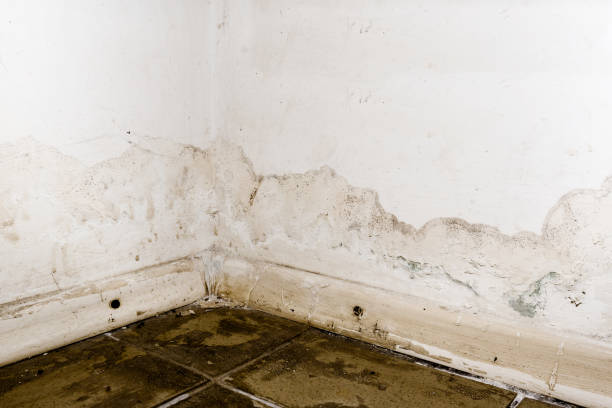
Basement flooding can strike without warning, and the first 30 minutes after water enters your home are the most important. Whether it’s a burst pipe, a backed-up sewer line, or a heavy storm that overwhelmed your drainage system, knowing exactly what to do before the professionals arrive can mean the difference between a manageable cleanup and tens of thousands of dollars in structural damage. At PuroClean of Bloomington, we respond to flooded basements across the Bloomington-Normal area and surrounding communities including El Paso, IL, and we’ve put together this guide to walk you through causes, immediate action steps, prevention tips, and when to call a restoration pro.
Understand Why Basement Flooding in El Paso Happens
El Paso, IL sits in a part of McLean County where flat terrain and clay-heavy soil create real drainage challenges. When heavy rain falls faster than the ground can absorb it, water finds the path of least resistance, and that path often leads directly into your basement.
Clay soil does not drain well. It holds water near the surface, which builds up hydrostatic pressure against your foundation walls and eventually forces moisture through cracks.
Sump pump failure is one of the most common causes of basement flooding in this region. If your pump loses power during a storm or simply wears out, your basement becomes a collection point for groundwater.
Clogged or improperly graded drainage around your home allows water to pool near the foundation instead of flowing away from the structure.
Sewer backups from aging municipal lines can push wastewater up through floor drains, creating a flooding situation that also carries serious health risks.
Understanding the root cause matters because it shapes what kind of cleanup and repair your home will need. Groundwater flooding and sewage flooding, for example, require very different approaches.
Is It Safe to Enter a Flooded Basement? Know Before You Go Down
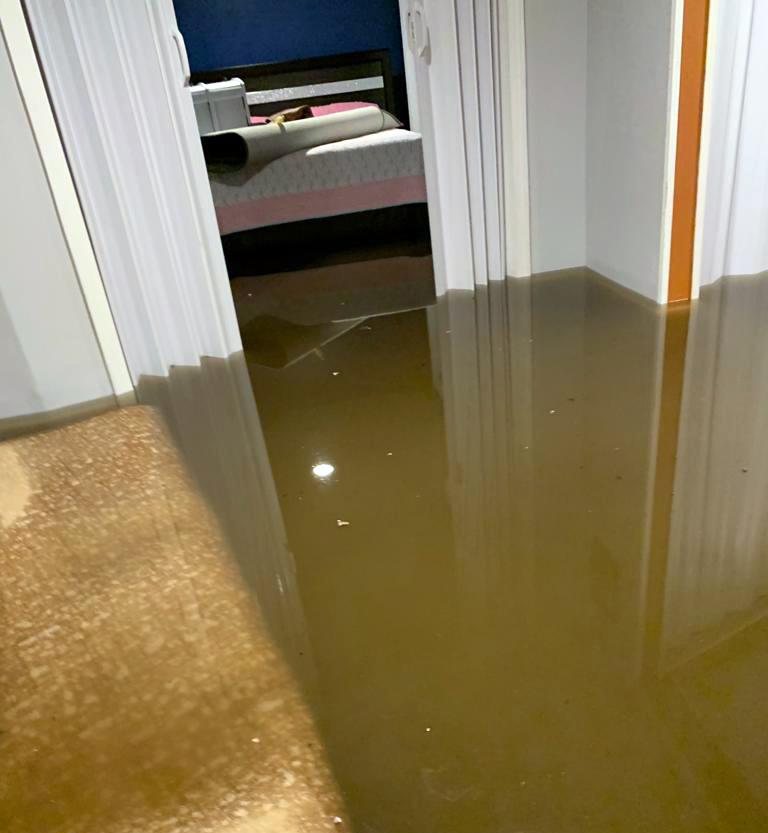
One of the most common questions homeowners ask after basement flooding is whether it is safe to go downstairs. The short answer is: not always, and never without checking a few things first.
Turn off electricity to the basement at your main breaker panel before entering. Water and live electrical current are a deadly combination, and outlets, appliances, and wiring are often submerged or splashed during a flood.
Check for gas leaks before entering. If you smell gas or hear a hissing sound near your gas lines or appliances, leave the house immediately and call your utility provider.
Do not enter if water is above electrical outlets or if you cannot confirm the power is off. Call a professional instead of risking electrocution.
Look for structural concerns from the doorway before stepping in. Sagging ceilings, buckled walls, or visible cracks that have widened can indicate structural instability.
Your safety always comes first. No amount of water damage is worth a life-threatening injury.
What to Do Immediately After Your Basement Floods
The first steps you take after discovering basement flooding in El Paso, IL will significantly affect how much damage your home sustains. Acting quickly and correctly limits how far water travels, how deep it soaks into materials, and whether mold has a chance to develop.
Document everything with photos and video before touching anything. Your insurance company will need visual proof of the damage, and thorough documentation protects your claim.
Call your homeowner’s insurance provider as soon as you have documented the scene. Ask specifically about your flood or water damage coverage and find out whether your policy covers sump pump failure or sewer backup, as these are often excluded from standard policies.
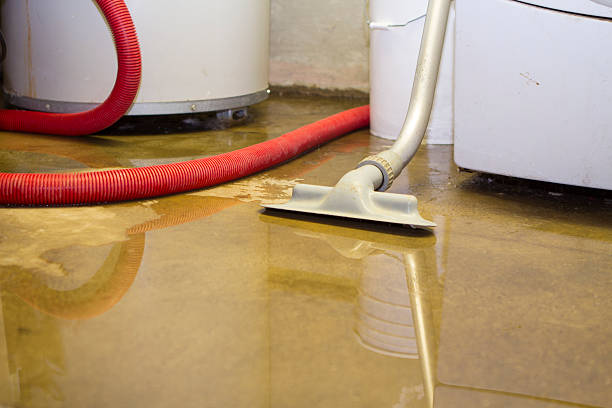
Remove standing water as quickly as possible. If it is safe to enter, use a wet/dry shop vacuum or submersible pump to begin extraction. Every hour that water sits increases the risk of mold growth and structural damage.
Move salvageable belongings to a dry area. Carry out furniture, boxes, rugs, and personal items and set them in a garage or on a dry surface outside to begin drying.
The faster you act, the more you save. Mold can begin growing within 24 to 48 hours of water exposure, so time is genuinely working against you.
Read more about what insurance covers when it comes to flood damage repair
How to Stop More Water from Entering Your Basement
If flooding is still actively occurring, your next priority is to slow or stop the source. Removing water while more is coming in is like bailing a boat without plugging the hole.
Locate and shut off your main water supply valve if the flooding is caused by a burst pipe, broken appliance line, or failed water heater. The valve is typically located where the main line enters your home near the foundation.
Clear your sump pit and check the pump if groundwater is the issue. If the pump is running but not moving water, the discharge line may be frozen or clogged.
Check exterior downspouts and window wells. Sometimes the fix is as simple as pulling a clogged downspout extension free or clearing debris from a window well drain so water stops pouring in through a ground-level window.
Use sandbags or water barriers at doorways or entry points if surface water is flowing in from outside. This is a temporary measure, but it buys you time until help arrives.
Stopping the source does not require professional tools in most cases. A few quick checks can dramatically reduce how much water you are dealing with.
What Can Be Saved and What Has to Go After a Basement Flood
One of the hardest parts of dealing with basement flooding is deciding what to keep and what to throw away. Making the wrong call in either direction costs you, either in unnecessary losses or in mold problems that develop from improperly dried materials.
Porous materials soaked in floodwater including carpet, drywall, fiberglass insulation, and particleboard cabinets almost always need to be removed and replaced. These materials hold moisture deep inside, where it cannot be dried without demolition.
Solid wood furniture and framing can sometimes be saved if dried quickly and thoroughly. The key word is quickly, within 24 to 48 hours of initial exposure.
Electronics, appliances, and HVAC equipment that have been submerged should be inspected by a qualified technician before being used again. Running water-damaged equipment can create fire hazards or shock risks.
Sentimental items like photos, documents, and heirlooms should be removed immediately and, if water-damaged, placed in a freezer to slow deterioration until a restoration specialist can assess them.
If you are dealing with sewage backup flooding, the rules are stricter. Anything that came into contact with sewage-contaminated water is considered a biohazard and generally cannot be salvaged safely.
If you are already seeing signs of significant damage and are unsure what can be saved, call PuroClean of Bloomington at (309) 433-0900 for a fast response and professional assessment.
How to Dry Out Your Basement the Right Way
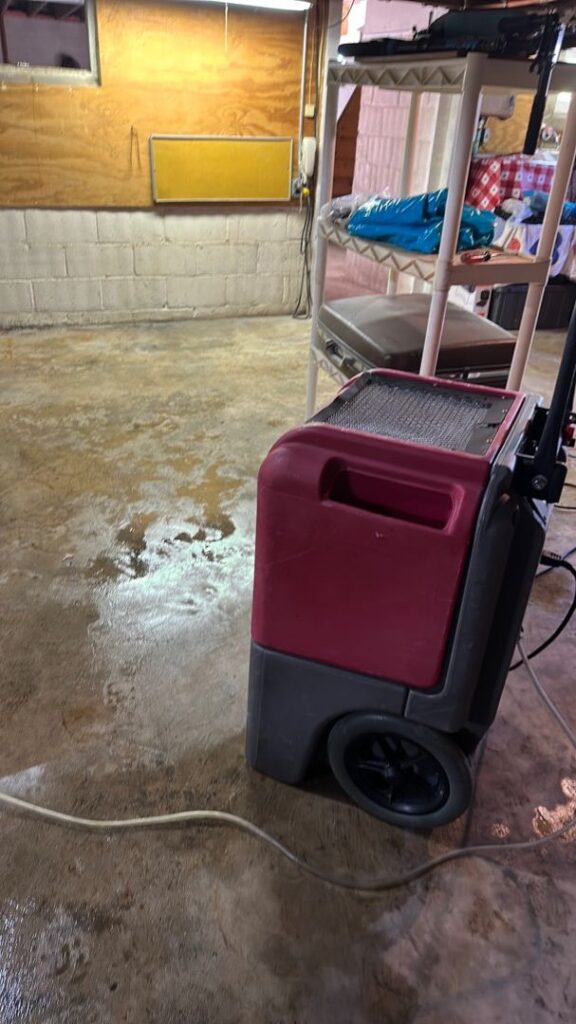
Drying a flooded basement is not just about running a fan and hoping for the best. Improper drying leads to hidden moisture pockets that fuel mold growth for weeks or months after the flood, often without any visible warning signs.
Use industrial air movers and dehumidifiers whenever possible. Consumer-grade box fans do not move enough air volume to dry structural materials effectively. Rental equipment or professional units make a measurable difference.
Remove wet flooring and baseboards to expose the subfloor and wall cavities beneath. Moisture hides under vinyl, tile, and laminate flooring, and it will stay there until you open up the area.
Monitor moisture levels with a moisture meter rather than guessing by touch. Wood framing and concrete should reach acceptable moisture content levels before any new materials are installed. Your restoration contractor will measure these readings as part of the drying process.
Keep windows closed during high-humidity days. Bringing in outdoor air when outdoor humidity is above 60 percent slows the drying process and can make conditions worse, not better.
Professional drying equipment can remove moisture from structural materials in three to five days when used correctly. DIY attempts often extend that timeline to several weeks, giving mold more opportunity to take hold.
Preventing Basement Flooding in El Paso Before It Happens Again
After you have dealt with one flooded basement, prevention becomes a very personal priority. The good news is that most basement flooding in El Paso is preventable with a combination of simple maintenance and modest investment.
Install a battery backup sump pump alongside your primary pump. When storms knock out power, which is exactly when you need your sump pump most, a battery backup system keeps your basement protected even if the grid goes down.
Re-grade the soil around your foundation so that the ground slopes away from your home at a rate of at least six inches over the first ten feet. Flat or inward-sloping ground channels every rainstorm directly toward your basement walls.
Extend downspouts at least six feet from the foundation. Short downspouts dump roof runoff directly next to your basement walls, contributing to hydrostatic pressure and eventual seepage.
Seal foundation cracks with hydraulic cement or polyurethane injections. Small cracks may seem harmless, but they grow over time and become major entry points during heavy rains.
Have your sewer lines inspected every few years. Root intrusion and pipe deterioration in older El Paso and McLean County homes can create backup risks that are invisible until they cause a flood.
Prevention is always cheaper than restoration. A battery backup pump, for example, costs a few hundred dollars installed. A major basement flood can cost ten to fifty times that amount.
When to Call a Professional Restoration Expert for Basement Flooding in El Paso
Some basement flooding situations are within a homeowner’s ability to manage independently. Others are not, and attempting to handle them without professional equipment and training can make things significantly worse.
Call a water damage restoration professional immediately when:
Standing water covers more than a few inches of your basement floor. Large volumes require commercial extraction equipment that most homeowners do not have access to.
The water source is sewage or contaminated water. Category 3 water, which is the industry classification for sewage and floodwater, contains bacteria and pathogens that require professional-grade disinfection and protective equipment.
Mold is already visible or you can smell a musty odor within 24 to 48 hours of the flood. Mold remediation is a specialized process that goes well beyond wiping down surfaces.
Structural materials are saturated. Wet drywall, soaked wall cavities, and water-logged floor systems require professional drying protocols to prevent long-term structural damage.
Your HVAC system was affected. A flooded furnace, water heater, or air handler can distribute contaminated air or moisture throughout your entire home if not properly cleaned and inspected.
At PuroClean of Bloomington, we are available 24 hours a day, 7 days a week to respond to basement flooding emergencies in El Paso, IL and throughout McLean County. Our certified technicians arrive with commercial extraction equipment, industrial drying systems, and moisture monitoring tools to get your home stabilized quickly.
📞 Call us at (309) 433-0900 any time, day or night.
Will Homeowner’s Insurance Cover Basement Flooding in El Paso?
Insurance coverage for basement flooding is one of the most misunderstood topics in home ownership. Many homeowners assume they are covered and only discover the gaps in their policy after a flood has already occurred.
Standard homeowner’s insurance policies typically cover sudden and accidental water damage, such as a burst pipe or an appliance failure. They do not typically cover groundwater flooding or water that enters from outside the home.
Flood insurance through the National Flood Insurance Program (NFIP) covers flooding caused by external events like heavy rain and rising surface water. This is a separate policy from standard homeowner’s insurance and must be purchased in advance.
Sewer backup and sump pump failure riders are optional add-ons that many insurers offer. If you do not have these endorsements, a sump pump failure or backed-up sewer line may not be covered at all.
Document your belongings now, before a flood ever happens. A home inventory with photos and receipts makes the claims process far faster and helps ensure you receive fair compensation.
Review your policy with your insurance agent at least once a year and ask specifically about water damage exclusions. Knowing your coverage limits before a flood is far better than discovering them after one.
Here’s how PuroClean of Bloomington Simplifies Your Insurance Claims
How PuroClean of Bloomington Handles Basement Flood Restoration
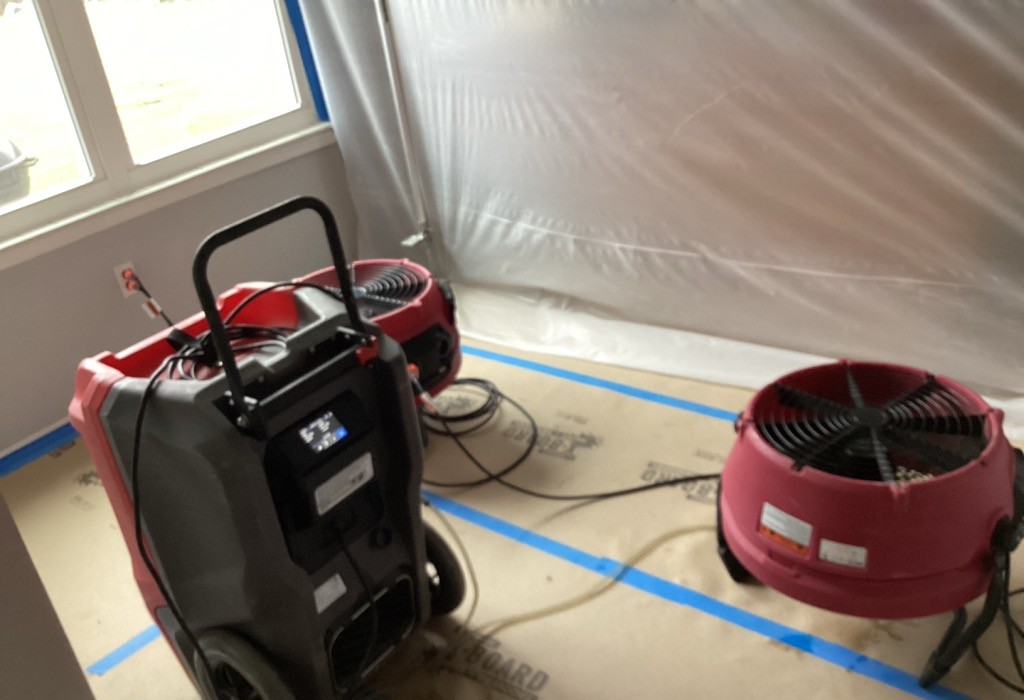
When our team arrives at a flooded basement in El Paso, IL, we follow a structured restoration process designed to get your home safe, dry, and back to normal as quickly as possible.
Inspection and moisture mapping is the first step. We use thermal imaging cameras and moisture meters to identify every area affected by water, including hidden pockets inside walls and under flooring that are invisible to the naked eye.
Water extraction removes standing water using truck-mounted and portable extraction units that are many times more powerful than consumer shop vacuums.
Structural drying uses a calculated placement of air movers and commercial dehumidifiers to pull moisture out of building materials efficiently. We monitor readings daily and adjust equipment placement as conditions change.
Antimicrobial treatment is applied to all affected surfaces to eliminate bacteria and inhibit mold growth before it has a chance to establish.
Content management and documentation helps you work with your insurance adjuster by providing clear records of damage, drying progress, and material conditions throughout the process.
We handle the coordination with your insurance company and keep you informed at every step, because dealing with a flooded basement is stressful enough without also navigating paperwork alone.
FAQs About Basement Flooding in El Paso
How long does it take to dry out a flooded basement? Most basement flooding situations require three to five days of active drying with professional equipment, depending on how much water was present and how deeply it soaked into building materials. DIY drying attempts often take two to three times longer and may not fully remove moisture from inside walls and subfloors.
Can I clean up basement flooding myself, or do I need a professional? Small amounts of clean water from a known source, like a slow pipe leak, can sometimes be managed with a shop vacuum and fans. However, large volumes of water, sewage contamination, or any flooding that has soaked into walls or flooring should be handled by a certified water damage restoration company to ensure complete drying and prevent mold.
How quickly does mold grow after basement flooding? Mold can begin growing within 24 to 48 hours of water exposure under warm, humid conditions. This is why fast action in the first few hours after a flood is so important. Delaying cleanup significantly increases the likelihood of a mold problem developing alongside the water damage.
Does basement flooding always mean I need to replace my drywall? Not always, but often. Drywall that has absorbed water becomes a prime location for mold growth because the paper facing holds moisture against organic material. If drywall has been wet for more than 24 hours or if the water source was contaminated, replacement is usually the safer and more cost-effective long-term choice.
What should I do if my basement floods from a sewer backup? Do not enter the area without protective gear, and do not attempt to clean it yourself with household products. Sewage water contains pathogens and bacteria that pose real health risks. Call a professional restoration company immediately and keep children and pets out of the affected area. Sewage backups require specialized disinfection protocols and personal protective equipment.
Final Thoughts: Fast Action Protects Your Home from Basement Flood Damage
Basement flooding in El Paso is a serious situation, but it does not have to become a disaster if you respond quickly and correctly. The three most important things to remember are: prioritize your safety before entering, act fast to remove water and document damage, and call a certified professional when the flooding is beyond what you can handle with basic tools.
At PuroClean of Bloomington, we have helped countless homeowners throughout McLean County, including El Paso, get their basements and their lives back to normal after a flood. We know this area, we know the challenges that local soil and weather create, and we are ready to help you any time you need us.
Call PuroClean of Bloomington for basement flooding in El Paso and water damage restoration today at (309) 433-0900 or visit our website. Do not let basement flooding ruin your home and peace of mind — get trusted professional help today.