


A damp basement can quickly become more than an uncomfortable part of your home. Without proper basement moisture control, excess humidity, leaks, condensation, and water seepage can create conditions that encourage mold growth and damage drywall, flooring, wood, and stored belongings. At PuroClean of Bloomington, we help homeowners identify moisture problems, address water damage, and restore basements before a small moisture issue becomes a much larger problem.
This guide explains what causes basement moisture, how to recognize the warning signs, practical ways to control it, and when professional moisture detection or restoration is the smart next step.
1. Why Is Basement Moisture a Problem?
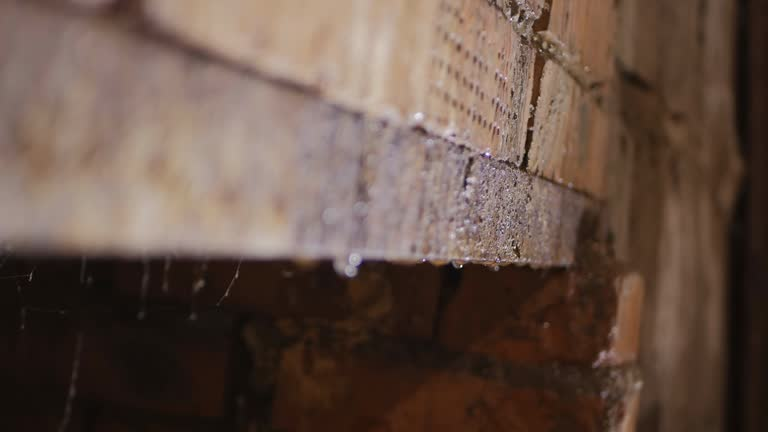
Basements naturally tend to be cooler and more vulnerable to moisture than many other areas of your home. Effective basement moisture control helps keep water and humidity from creating conditions where mold and property damage can develop.
The key is to address moisture before it becomes visible damage.
Mold Needs Moisture to Grow
Mold spores are common indoors, but they need moisture to grow. The EPA identifies moisture control as the key to preventing and controlling indoor mold.
- High humidity can keep basement materials damp.
- Water from leaks can provide a direct moisture source.
- Condensation can make cool walls and pipes wet.
- Persistent dampness can allow mold to develop in hidden areas.
Moisture Can Damage Building Materials
Water does not only affect the air in your basement.
- Drywall can absorb moisture and become damaged.
- Wood framing can remain damp for extended periods.
- Flooring may warp, stain, or deteriorate.
- Insulation can trap moisture inside walls.
Proper basement moisture control protects your home from both mold and water-related damage.
2. What Causes Basement Moisture?
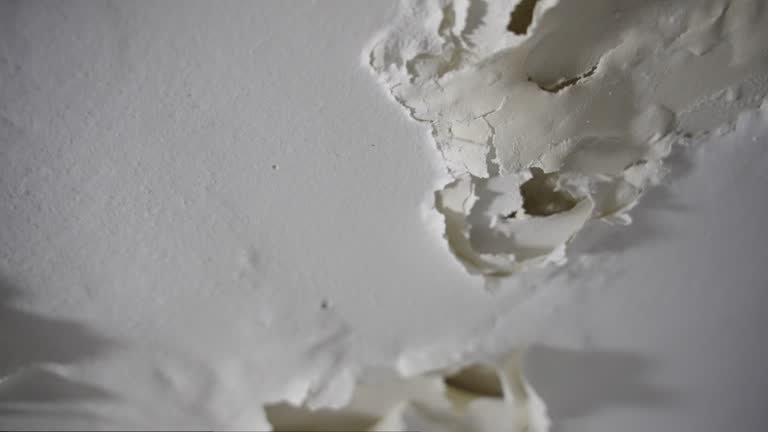
Before you can improve basement moisture control, you need to understand where the water is coming from. Basement moisture can enter from outside, develop through condensation, or come from plumbing and appliances inside your home.
Finding the source is more effective than repeatedly cleaning up the symptoms.
Foundation Seepage
Water can enter through your foundation.
- Cracks in foundation walls can allow water to seep inside.
- Hydrostatic pressure can push moisture through basement floors or walls.
- Poor exterior drainage can direct rainwater toward your foundation.
- Damaged waterproofing can allow recurring water intrusion.
Plumbing and Appliance Leaks
Indoor water sources can be just as serious.
- A leaking water heater can create constant moisture.
- Washing machine hoses may develop leaks.
- Pipes can drip behind walls or near utility areas.
- Sump pump problems can allow water to accumulate.
Condensation and Humidity
Not every damp basement has an obvious leak.
- Warm, humid air can condense on cool basement surfaces.
- Poor ventilation can trap moisture.
- Cold pipes may collect condensation.
- High indoor humidity can keep basement materials damp.
Effective basement moisture control begins by identifying which of these problems is affecting your home.
3. What Are the Signs of Excess Basement Moisture?
Some moisture problems are obvious, while others develop quietly. Knowing the warning signs makes basement moisture control much easier because you can respond before damage spreads.
Do not wait for standing water before investigating.
Musty Odors
Your nose may notice moisture before your eyes do.
- A persistent musty smell can indicate damp materials or mold.
- Odors may become stronger after rain.
- Storage closets may smell damp even when the rest of the basement seems dry.
- Recurring odors should be investigated instead of covered with air fresheners.
Condensation
Condensation can reveal excess humidity.
- Water may collect on basement windows.
- Pipes can develop droplets on their surfaces.
- Cool foundation walls may feel damp.
- Condensation that repeatedly returns indicates a moisture-control problem.
Visible Water Damage
Some signs are easier to recognize.
- Brown or yellow stains may appear on walls or ceilings.
- Paint may bubble or peel.
- Flooring may warp or discolor.
- Damp spots may appear after storms.
These warning signs indicate that your basement may need more than routine cleaning.
4. How Can You Control Basement Humidity?
Humidity control is one of the most important parts of basement moisture control. The EPA recommends keeping indoor relative humidity below 60%, with an ideal range of 30% to 50% when possible.
Keeping track of humidity gives you an early warning when conditions begin to change.
Use a Dehumidifier
A properly maintained dehumidifier can remove excess moisture from basement air.
- Choose equipment appropriate for the size and conditions of your basement.
- Empty and clean the unit according to the manufacturer’s instructions.
- Check the humidity level regularly.
- Make sure the unit can drain properly if it runs continuously.
Improve Airflow
Moving air can help reduce damp areas.
- Keep vents and air returns unobstructed.
- Avoid packing belongings tightly against basement walls.
- Leave room around appliances for air circulation.
- Improve ventilation where appropriate.
Monitor Humidity
A simple humidity meter can help you stay informed.
- Check humidity levels during humid summer weather.
- Monitor the basement after heavy rain.
- Watch for sudden increases in humidity.
- Investigate persistent high readings rather than relying only on how the room feels.
Keeping basement humidity under control makes your home less favorable to mold growth.
5. How Can You Keep Rainwater Away From Your Basement?
Exterior drainage plays an important role in basement moisture control. Even a well-maintained basement can develop problems when rainwater repeatedly collects around the foundation.
Your gutters, downspouts, and landscaping all affect how water moves around your home.
Maintain Your Gutters
Clogged gutters can send water toward your foundation.
- Clean leaves and debris from gutters regularly.
- Check for sagging or damaged sections.
- Make sure water flows toward downspouts.
- Inspect gutters after major storms.
Check Your Downspouts
Downspouts should move water away from the foundation.
- Make sure downspouts are not blocked.
- Extend discharge away from the house when appropriate.
- Watch for standing water near the foundation.
- Inspect drainage after heavy rainfall.
Check the Grade Around Your Home
The ground around your foundation matters.
- Look for areas where soil slopes toward the house.
- Correct low spots where water collects.
- Watch for erosion near foundation walls.
- Consider professional drainage solutions when recurring seepage continues.
The EPA specifically recommends keeping gutters in good condition and ensuring the ground slopes away from the building foundation to help prevent water from entering or collecting around the foundation.
If you are already noticing damp walls, musty odors, standing water, or other signs of moisture, call PuroClean of Bloomington at (309) 433-0900 for a fast response.
6. How Can You Prevent Condensation in Your Basement?
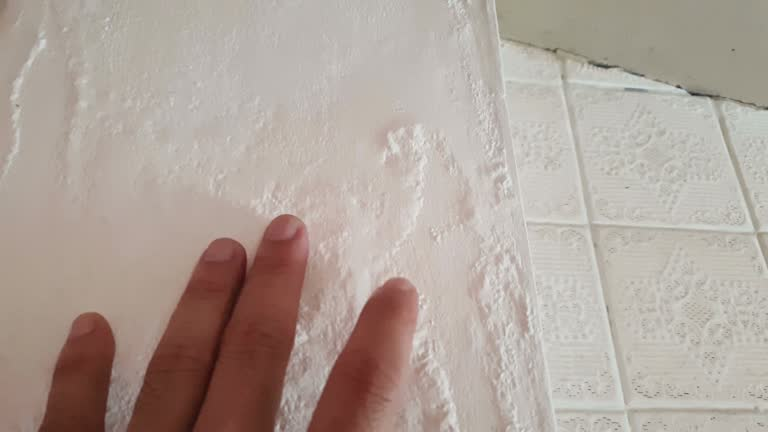
Condensation is an often-overlooked part of basement moisture control. When warm, humid air touches a cold surface, water can form on windows, pipes, walls, and other materials.
Repeated condensation can keep surfaces damp enough to encourage mold growth.
Insulate Cold Surfaces
Reducing temperature differences can limit condensation.
- Insulate exposed cold-water pipes where appropriate.
- Check areas around basement windows for excessive condensation.
- Consider improving insulation on cold exterior surfaces.
- Address areas that repeatedly become wet.
Keep Humid Air Under Control
Humidity management reduces the amount of moisture available to condense.
- Use a dehumidifier when necessary.
- Keep basement doors and windows managed according to outdoor conditions.
- Avoid bringing unnecessary wet materials into the basement.
- Dry damp areas promptly.
Watch Seasonal Changes
Basement moisture can change throughout the year.
- Summer humidity can create condensation on cool basement surfaces.
- Heavy rain can increase foundation moisture.
- Winter temperature differences can create condensation in certain areas.
- Check your basement whenever weather conditions change significantly.
Preventing condensation is an important part of keeping your basement consistently dry.
7. What Should You Do After Basement Water Damage?
A flooded basement or significant leak requires immediate action. Strong basement moisture control after water damage can help limit additional damage and reduce the conditions that support mold.
The EPA recommends drying wet or damp materials within 24 to 48 hours when possible to help prevent mold growth.
Stop the Water Source
The first priority is controlling additional water.
- Shut off the water supply when a plumbing leak is responsible.
- Address roof or foundation leaks.
- Contact the appropriate professional for plumbing or HVAC repairs.
- Avoid entering unsafe areas affected by significant flooding.
Remove Standing Water
Standing water should be addressed quickly.
- Remove water when it is safe to do so.
- Move unaffected belongings to a dry location.
- Increase drying and airflow where appropriate.
- Avoid using electrical equipment in standing water.
Check for Hidden Moisture
Water may remain even after the floor looks dry.
- Inspect drywall and baseboards for dampness.
- Check flooring and subfloor areas.
- Look for moisture behind stored belongings.
- Consider professional moisture detection when water may have traveled into hidden spaces.
Fast drying can reduce the chance of mold and limit damage to building materials.
8. When Should You Call a Professional for Basement Moisture?
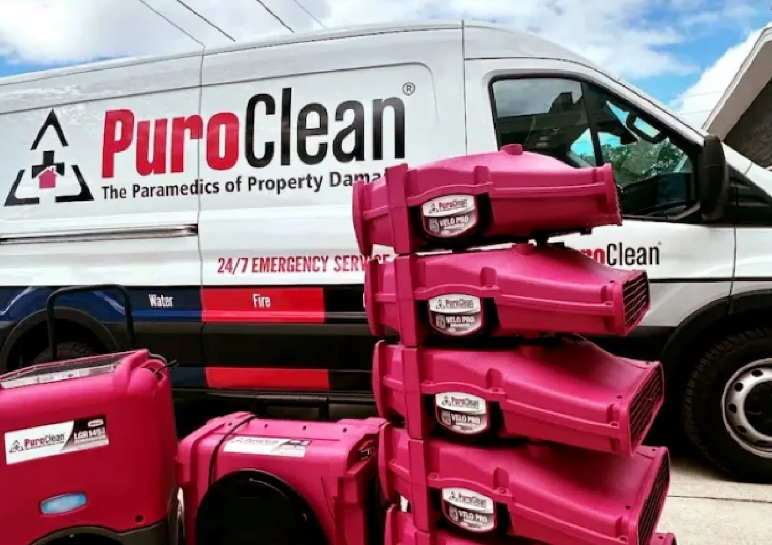
Some moisture problems can be managed through routine maintenance, but recurring or extensive water problems need a closer look. Professional basement moisture control can help identify hidden water, determine the extent of damage, and restore affected areas.
Knowing when to call for help can prevent a manageable issue from becoming a major restoration project.
Call After Significant Water Damage
Professional assistance is especially useful after major water intrusion.
- Basement flooding affects a large area.
- Water has entered walls or flooring.
- A plumbing failure releases substantial water.
- Drying is difficult despite your efforts.
Call When Moisture Keeps Returning
Recurring moisture usually has an underlying cause.
- Musty odors return after cleaning.
- Mold repeatedly develops.
- Walls continue to feel damp.
- Water appears after every heavy storm.
Call When You Suspect Hidden Moisture
Some problems cannot be identified through a visual inspection alone.
- Moisture may remain behind drywall.
- Water can travel beneath flooring.
- Insulation can hold trapped moisture.
- Professional moisture detection can help identify affected materials.
At PuroClean of Bloomington, our restoration team provides water damage mitigation, mold removal and remediation, and reconstruction services. Our professionals use specialized technology to locate moisture and help dry affected areas.
FAQs About Basement Moisture Control
What is the best way to control moisture in a basement?
The best approach combines several steps, including controlling humidity, fixing leaks, improving drainage, managing condensation, and drying wet materials quickly. The EPA recommends keeping indoor humidity below 60%, ideally between 30% and 50%.
Can a dehumidifier prevent basement mold?
A dehumidifier can help reduce excess humidity, which makes conditions less favorable for mold growth. However, it cannot replace repairs for leaks, seepage, flooding, or other sources of water intrusion.
Why is my basement damp even when there is no leak?
High humidity and condensation can make a basement damp without an obvious plumbing or foundation leak. Warm, moist air can condense on cool basement walls, floors, windows, and pipes.
How quickly should I dry my basement after water damage?
You should begin drying as quickly as possible. The EPA recommends drying wet or damp materials within 24 to 48 hours when possible to help prevent mold growth.
When should I call a professional for basement moisture?
Call a restoration professional when your basement has significant water damage, recurring moisture, persistent musty odors, visible mold, or moisture that remains hidden after a leak or flood.
Final Thoughts – Keep Your Basement Dry and Mold-Free
Effective basement moisture control starts with understanding where water comes from and keeping humidity, condensation, leaks, and drainage problems under control. Regular inspections, proper drainage, fast drying after water damage, and professional moisture detection can help protect your basement from mold and costly property damage.
📞 Call PuroClean of Bloomington for basement moisture control, water damage restoration, or mold removal today at (309) 433-0900, or visit our website.
Don’t let basement moisture ruin your home or belongings. Get trusted professional help today.